Description
Root Canal Therapy: Restore Your Smile, Eliminate Pain
Are you experiencing persistent tooth pain, sensitivity, or swelling? You might be suffering from an infection or inflammation deep within your tooth. Root Canal Therapy, also known as endodontic treatment, is a sophisticated and highly effective dental procedure designed to save your natural tooth, eliminate discomfort, and restore your oral health.
Forget the outdated myths; modern root canal therapy is virtually painless and offers a lasting solution to severe tooth issues.
What is a Root Canal?
At the heart of every tooth lies the dental pulp, a soft tissue containing nerves, blood vessels, and connective tissue. When this pulp becomes infected or inflamed due to deep decay, cracks, or trauma, it can cause severe pain and, if left untreated, lead to an abscess, bone loss, and ultimately, tooth loss.
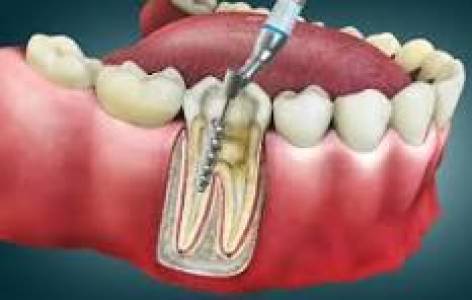
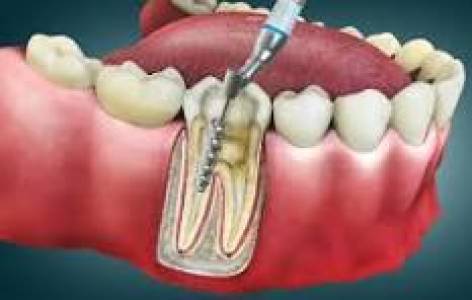
Root Canal Therapy is the process of removing this damaged pulp, thoroughly cleaning and shaping the inside of the root canal system, and then filling and sealing it to prevent future infection. The treated tooth is then typically restored with a crown to protect it and allow it to function normally.
Key Features & Benefits
- Eliminates Pain: Effectively removes infected pulp, providing immediate and lasting relief from severe toothache and discomfort.
- Saves Your Natural Tooth: Preserves your original tooth, preventing the need for extraction and the subsequent complications or costs associated with tooth replacement.
- Stops Infection Spread: Clears bacteria from the root canals, halting the progression of infection and preventing further damage to the tooth and surrounding bone.
- Restores Chewing Function: Once the tooth is properly restored (often with a crown), you can chew comfortably and effectively again.
- Maintains Oral Aesthetics: Keeps your natural smile intact, avoiding gaps or the need for prosthetics like bridges or implants.
- Long-Lasting Solution: With proper care and a good final restoration, a root canal-treated tooth can last a lifetime.
How It Works: The Procedure
Root Canal Therapy is typically performed in one or two visits, depending on the complexity of the case. Here's a step-by-step overview:
- Anesthesia: Local anesthetic is administered to thoroughly numb the tooth and surrounding area, ensuring a comfortable and pain-free experience throughout the procedure.
- Access Opening: A small opening is made through the crown of the tooth to access the pulp chamber and root canals.
- Cleaning and Shaping: The infected or inflamed pulp is carefully removed from the root canals. Specialized instruments are then used to clean, disinfect, and shape the canals, preparing them for filling.
- Filling the Canals: The cleaned and shaped canals are filled with a biocompatible, rubber-like material called gutta-percha, which is sealed with an adhesive cement to prevent reinfection.
- Temporary Restoration: A temporary filling is placed in the access opening to protect the tooth until a permanent restoration can be placed.
- Permanent Restoration (Often a Crown): In most cases, a dental crown is recommended and crucial to protect the treated tooth from fracture and restore its full function and appearance. This is typically done in a separate visit after the root canal is complete.
Who Needs Root Canal Therapy?
You might be a candidate for root canal therapy if you experience any of the following symptoms:
- Persistent tooth pain (especially when chewing or applying pressure)
- Prolonged sensitivity to hot or cold temperatures (even after the source is removed)
- Swelling and tenderness in the surrounding gums
- A small, pimple-like bump on the gums near the affected tooth
- Tooth discoloration (a darkening of the tooth)
- Deep decay, cracks, or trauma leading to pulp infection visible on X-rays
Post-Treatment Care
Following your root canal, you can expect:
- Mild Tenderness: It's normal to experience some mild tenderness or sensitivity for a few days, especially if there was an infection prior to treatment.
- Pain Management: Over-the-counter pain relievers can typically manage any discomfort. Your dentist may prescribe stronger medication if necessary.
- Avoid Chewing: Until your permanent restoration (crown) is placed, avoid chewing on the treated tooth to prevent fracture.
- Maintain Oral Hygiene: Continue brushing and flossing regularly.
- Follow-up Appointments: Attend all scheduled follow-up appointments, especially for the placement of your permanent crown.
Why Choose Root Canal Therapy Over Extraction?
While extraction removes the problem tooth, it often leads to further complications and costs. Root canal therapy is generally the preferred choice because it:
- Preserves Natural Tooth: Nothing feels and functions quite like your own tooth.
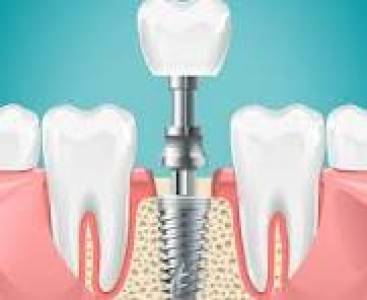
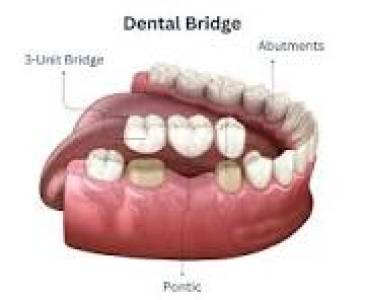
- Avoids Complex Replacements: Prevents the need for dental implants, bridges, or partial dentures, which can be more costly and invasive.
- Maintains Jawbone Health: Keeps the natural tooth root in place, which helps stimulate the jawbone and prevent bone loss that often follows an extraction.
- Cost-Effective in the Long Run: Often more economical than extraction followed by a bridge or implant over your lifetime.
Frequently Asked Questions
- Is a root canal painful? No. With modern anesthetics and advanced techniques, the procedure itself is often no more uncomfortable than a routine filling. The primary goal of a root canal is to relieve your existing pain, not cause it.
- How long does the procedure take? Typically, a root canal procedure takes between 1 to 2 hours, depending on the tooth's complexity and the number of canals that need treatment.
- What is the success rate? Root canal therapy has a very high success rate, often over 95%, especially when followed by a proper permanent restoration like a crown.
- Who performs root canal therapy? Many general dentists perform root canal procedures. However, complex cases or retreatment may be referred to an endodontist, a dental specialist who has undergone extensive training in root canal treatment.
Don't Suffer in Silence!
If you suspect you need root canal therapy or are experiencing any symptoms of a tooth infection, don't delay. Early intervention can prevent further complications, save your natural tooth, and alleviate discomfort.
Contact us today to schedule a consultation and take the first step towards a pain-free, healthy smile.
Disclaimer: This information is for educational purposes only and does not constitute medical advice. Please consult with a qualified dental professional for personalized diagnosis and treatment recommendations.