Description
Root Canal Therapy: Restore Health, Relieve Pain, Save Your Smile
Overview: The Guardian of Your Natural Tooth
Root Canal Therapy (RCT), often referred to simply as a "root canal," is a highly effective and common dental procedure designed to save a tooth that has been severely damaged by infection, inflammation, or decay. Far from the fearful reputation it once held, modern root canal treatment is a precise, comfortable, and pain-relieving solution that allows you to retain your natural tooth, preventing the need for extraction and more complex dental work down the line.
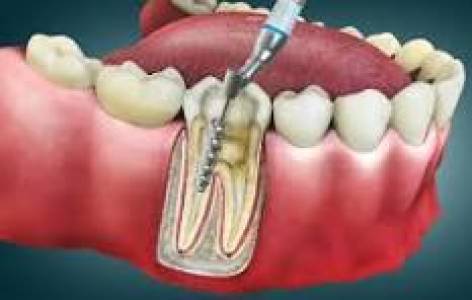
When the soft tissue inside your tooth (the dental pulp), containing nerves, blood vessels, and connective tissue, becomes infected or inflamed, it can cause severe pain and lead to abscess formation. Root Canal Therapy meticulously removes this damaged pulp, cleans and disinfects the internal chamber of the tooth, and then seals it to prevent further infection. The goal is simple: eliminate pain, preserve your tooth, and restore your oral health.
Key Benefits of Root Canal Therapy
Choosing root canal therapy offers a multitude of advantages over tooth extraction:
- Exceptional Pain Relief: The primary benefit is the immediate and lasting relief from the severe pain caused by an infected or inflamed tooth pulp.
- Tooth Preservation: It allows you to keep your natural tooth, which is always the best option for maintaining oral function and aesthetics.
- Prevents Further Infection: By removing infected tissue and sealing the tooth, RCT stops the spread of infection to other teeth, gums, and even into the bloodstream.
- Maintains Natural Appearance: Keeps your natural smile intact, preventing gaps that can arise from tooth loss.
- Restores Chewing Efficiency: A treated and restored tooth functions just like any other natural tooth, allowing you to eat your favorite foods comfortably.
- Prevents Shifting of Adjacent Teeth: A missing tooth can cause surrounding teeth to drift, leading to bite problems and jaw issues. RCT prevents this.
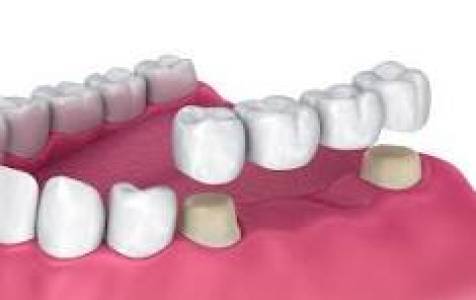
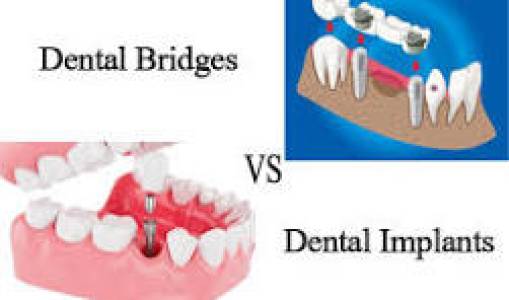
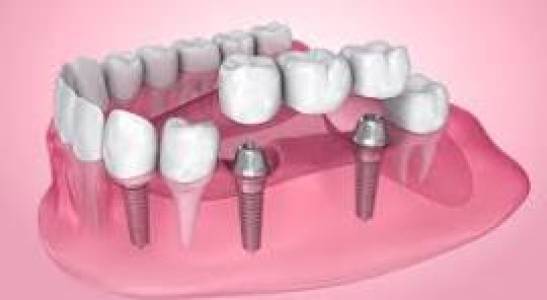
- Cost-Effective in the Long Run: While initial costs might seem comparable to an extraction, saving your natural tooth often avoids the higher long-term costs and complexities associated with bridges, implants, or dentures needed to replace a missing tooth.
- High Success Rate: With proper care, a root canal-treated tooth can last a lifetime.
What to Expect: The Root Canal Procedure
Root Canal Therapy is typically performed in one or two visits, depending on the complexity of the case and the extent of the infection. Here’s a simplified breakdown of the steps:
- Diagnosis & Anesthesia:
- The dentist will take X-rays and perform a thorough examination to confirm the diagnosis and pinpoint the affected tooth.
- A local anesthetic is administered to numb the tooth and surrounding area, ensuring a pain-free experience during the procedure.
- Access Opening:
- A small opening is created in the crown of the tooth to access the pulp chamber and root canals.
- Pulp Removal & Cleaning:
- Using specialized, very fine dental instruments, the infected or inflamed pulp is carefully removed from the pulp chamber and the root canals.
- The canals are then thoroughly cleaned, shaped, and disinfected to remove all bacteria and debris.
- Filling & Sealing (Obturation):
- Once cleaned and shaped, the canals are filled with a biocompatible, rubber-like material called gutta-percha, which is sealed with an adhesive cement to prevent reinfection.
- Temporary Filling/Restoration:
- A temporary filling is placed in the access opening to protect the tooth until the final restoration is completed.
- Permanent Restoration (Crown):
- In most cases, a dental crown is recommended after root canal therapy. This strengthens the treated tooth, protects it from fracture, and restores its full function and appearance. This is typically done in a separate appointment after the tooth has settled.
Is Root Canal Therapy Right For You? Indications:
You might need a root canal if you experience any of the following symptoms:
- Severe toothache pain when chewing or applying pressure.
- Prolonged sensitivity to hot or cold temperatures, even after the source of the heat or cold has been removed.
- Discoloration or darkening of the tooth.
- Swelling and tenderness in the nearby gums.
- A persistent "pimple" on the gums (a dental fistula or abscess).
- Trauma to the tooth that has damaged the pulp.
- Deep decay reaching the pulp.
Post-Procedure Care & Longevity
After your root canal procedure, it's normal to experience some mild sensitivity or discomfort for a few days, which can typically be managed with over-the-counter pain medication. It is crucial to:
- Avoid chewing on the treated tooth until your permanent crown or restoration is placed.
- Maintain excellent oral hygiene with regular brushing and flossing.
- Attend follow-up appointments as recommended by your dentist.
- Get your permanent restoration (crown) as soon as advised to protect the tooth.
With proper care and good oral hygiene, your root canal-treated tooth can last a lifetime, functioning just like your other natural teeth.
Who Performs Root Canal Therapy?
Root Canal Therapy can be performed by a general dentist, or in more complex cases, by an endodontist – a dental specialist who has undergone additional years of training specifically in diagnosing and treating diseases of the dental pulp and root.
Take the First Step Towards a Pain-Free Smile!
Don't let tooth pain or fear of the unknown compromise your oral health. If you are experiencing symptoms of an infected tooth, or suspect you might need a root canal, schedule a consultation with your dentist today. Modern root canal therapy is a predictable, comfortable, and highly successful way to alleviate pain, eliminate infection, and save your natural tooth.
Frequently Asked Questions (FAQ)
Is Root Canal Therapy painful?
No. Thanks to local anesthetics and modern techniques, the procedure itself is typically no more uncomfortable than having a filling placed. The goal of a root canal is to relieve the severe pain caused by infection, not to cause it.
How long does the procedure take?
A root canal usually takes between 60 to 90 minutes per tooth, though this can vary depending on the tooth's location and the complexity of the root canal system. Some cases may require two appointments.
How long does a root canal-treated tooth last?
With proper restoration and good oral hygiene, a root canal-treated tooth can last for many years, often a lifetime. Regular dental check-ups are essential to monitor its health.
What happens if I don't get a root canal?
If left untreated, an infected tooth will continue to cause pain and the infection can spread to other areas of your mouth, jaw, or even into your bloodstream, leading to serious health complications. Eventually, the tooth may need to be extracted.
Will I need a crown after a root canal?
In most cases, yes. After root canal therapy, the tooth can become brittle and prone to fracture. A dental crown provides essential protection, strengthens the tooth, and restores its natural appearance and function.
Disclaimer: This product description is for informational purposes only and does not constitute medical advice. It is essential to consult with a qualified dental professional for diagnosis and treatment recommendations based on your specific oral health needs.