Description
Okay, here's a detailed product description for "Root Canal" in Markdown format, treating it as a vital dental service rather than a physical product.
Root Canal Therapy: Restore. Relieve. Retain Your Natural Smile.
Overview
Don't let severe tooth pain or infection dictate your life. Root Canal Therapy (RCT), also known as endodontic treatment, is a highly effective and common dental procedure designed to alleviate pain, remove infection, and save your natural tooth from extraction. Far from the fearful reputation it once held, modern root canal therapy is a comfortable and routine procedure that helps millions maintain their oral health and enjoy a pain-free smile.
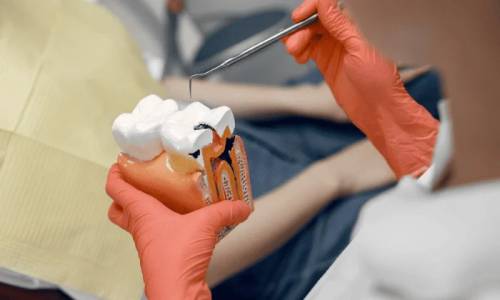
At its core, RCT involves carefully removing infected or damaged pulp (the soft tissue inside your tooth containing nerves and blood vessels), cleaning and shaping the inside of the root canal system, and then filling and sealing it. This process not only eliminates the infection but also protects the tooth from future bacterial invasion.
Key Benefits of Root Canal Therapy
Opting for a root canal offers significant advantages over tooth extraction:
- Exceptional Pain Relief: Eliminates the excruciating pain caused by infected or inflamed pulp.
- Preserves Your Natural Tooth: Saves your original tooth, allowing you to keep your natural bite and smile.
- Prevents Further Infection: Stops the spread of infection to other teeth, gums, and even the jawbone.
- Maintains Chewing Efficiency: Allows you to continue eating your favorite foods without discomfort or difficulty.
- Protects Adjacent Teeth: Prevents shifting of neighboring teeth that can occur after an extraction.
- Natural Appearance: Your treated tooth, especially with a final restoration like a crown, will look and function just like your other natural teeth.
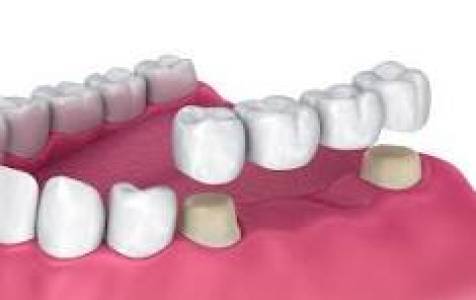
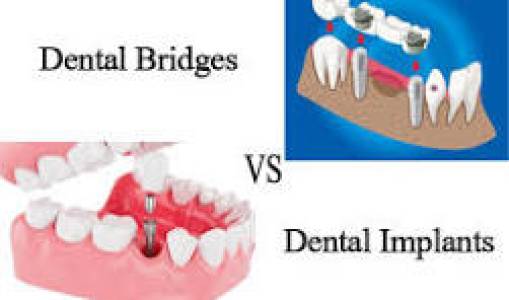
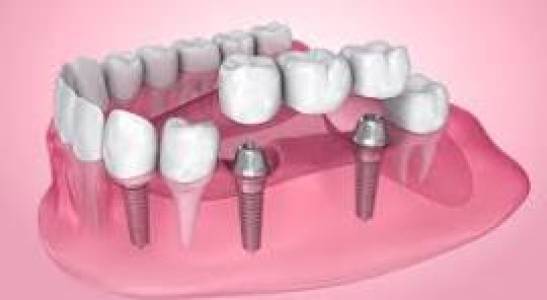
- Cost-Effective Long-Term: While initially an investment, saving your natural tooth often avoids the higher long-term costs and complexities associated with tooth replacement options like bridges or implants.
When Is Root Canal Therapy Needed?
Root canal therapy is typically recommended when the soft tissue inside your tooth (the pulp) becomes inflamed or infected. This can be caused by:
- Deep Cavities: Untreated cavities that reach the pulp.
- Repeated Dental Procedures: Trauma from multiple fillings or restorations on the same tooth.
- Cracked or Chipped Teeth: Breaks in the tooth that expose the pulp to bacteria.
- Tooth Trauma: A severe blow to the tooth, even if there's no visible chip or crack.
- Symptoms Often Include:
- Severe toothache pain upon chewing or application of pressure.
- Prolonged sensitivity to hot or cold temperatures (after the hot or cold has been removed).
- Discoloration or darkening of the tooth.
- Swelling and tenderness in the surrounding gums.
- A persistent or recurring "pimple" on the gums (a sign of an abscess).
The Root Canal Procedure: A Step-by-Step Overview
Modern root canal treatment is highly predictable and often completed in one or two visits, depending on the complexity of the case.
- Diagnosis & Anesthesia:
- Your dentist will take X-rays and perform a thorough examination to confirm the diagnosis.
- Local anesthesia will be administered to numb the affected tooth and surrounding area, ensuring a pain-free experience.
- Access Opening:
- A small opening is created in the crown of the tooth to access the pulp chamber and root canals.
- Cleaning & Shaping:
- Tiny instruments are used to carefully remove the infected or inflamed pulp, bacteria, and debris from within the root canals.
- The root canals are then meticulously cleaned, disinfected, and shaped to prepare them for filling.
- Filling & Sealing:
- Once cleaned and disinfected, the root canals are filled with a biocompatible, rubber-like material called gutta-percha.
- A special adhesive cement is used to seal the canals, preventing future bacterial contamination.
- Temporary Restoration:
- A temporary filling is placed in the access opening to protect the tooth until the final restoration.
- Permanent Restoration (Often a Crown):
- In most cases, a dental crown is recommended after root canal therapy. This protects the treated tooth from fracture, especially if it was weakened by a large cavity or previous trauma, and restores its full function and appearance. This is typically done in a separate visit.
Aftercare & Recovery
Following your root canal, it's normal to experience some mild sensitivity or discomfort for a few days, similar to soreness after a workout.
- Pain Management: Over-the-counter pain relievers (like ibuprofen or acetaminophen) are usually sufficient to manage any discomfort.
- Avoid Chewing: It's crucial to avoid chewing on the treated tooth until the final restoration (e.g., a permanent filling or crown) is in place, as the tooth may be fragile before full protection.
- Oral Hygiene: Maintain excellent oral hygiene, brushing and flossing regularly.
- Follow-Up: Attend your follow-up appointment for the permanent restoration as scheduled.
- Contact Us If: You experience severe pain, swelling, or the temporary filling comes out completely.
Our Commitment to Your Comfort & Health
We understand that the idea of a root canal can be daunting. Our dedicated team is committed to providing:
- Compassionate Care: We prioritize your comfort and address any concerns you may have.
- Advanced Technology: Utilizing modern diagnostic tools and treatment techniques for precise and efficient care.
- Experienced Professionals: Our skilled dentists and endodontic specialists have extensive experience in successful root canal therapy.
- Sterile Environment: Adhering to the highest standards of sterilization and patient safety.
Take the First Step Towards a Pain-Free Smile!
Don't ignore the warning signs of a tooth infection. Early intervention with root canal therapy can prevent more serious complications and help you preserve your natural teeth for a lifetime.
Ready to relieve your pain and restore your oral health?
(Remember to replace link-to-appointment-page with your actual website's appointment scheduling link.)