Description
Here's a detailed product description for "Clinical Chemistry," formatted in Markdown. This description is designed to be versatile, suitable for a textbook, an online course, a reference guide, or a comprehensive software platform dedicated to the field.
Clinical Chemistry: The Cornerstone of Diagnostic Medicine
Delve into the indispensable field of Clinical Chemistry, the vital branch of laboratory medicine that focuses on the measurement of chemical analytes in biological fluids to aid in the diagnosis, prognosis, treatment monitoring, and prevention of disease. This comprehensive resource is your gateway to mastering the principles, methodologies, and clinical applications that underpin modern healthcare.
Whether you're a student embarking on a medical career, a laboratory professional seeking to deepen your expertise, or a clinician aiming to better interpret diagnostic results, this product offers an unparalleled depth of knowledge and practical insight.
What You'll Master & Key Features:
Our Clinical Chemistry product provides an in-depth exploration, enabling you to master:
- Fundamental Principles: Grasp the core biochemical and physiological concepts that govern bodily functions and how their aberrations manifest in disease states. Understand the metabolism of carbohydrates, lipids, proteins, and the role of enzymes, hormones, electrolytes, and trace elements.
- Analytical Methodologies: Explore a wide array of laboratory techniques, including spectrophotometry, immunoassay, chromatography, electrophoresis, mass spectrometry, and molecular diagnostics. Learn the principles behind each method, their applications, advantages, and limitations.
- Disease Pathophysiology & Interpretation: Connect laboratory findings to specific disease states across all major organ systems (hepatic, renal, cardiac, endocrine, gastrointestinal, etc.). Learn to interpret complex lab panels and differentiate between various clinical conditions based on chemical markers.
- Quality Control & Assurance: Understand the critical importance of accuracy, precision, and reliability in laboratory testing. Master the concepts of internal and external quality control, calibration, validation, and laboratory accreditation standards to ensure patient safety and dependable results.
- Clinical Applications & Case Studies: Apply your knowledge to real-world patient scenarios. Explore numerous case studies that illustrate the diagnostic utility of various tests, guiding treatment decisions and patient management strategies.
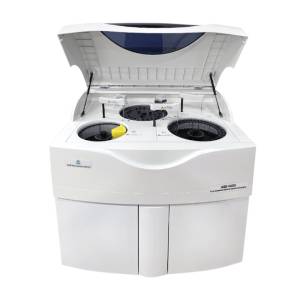
- Laboratory Operations & Management: Gain insights into the operational aspects of a clinical chemistry laboratory, including specimen collection, handling, automation, point-of-care testing (POCT), laboratory information systems (LIS), and regulatory compliance.
- Emerging Technologies & Future Trends: Stay informed about the latest advancements in analytical instrumentation, biomarker discovery, personalized medicine, and the evolving landscape of diagnostic testing.
Who Benefits from This Resource?
This Clinical Chemistry product is an essential tool for:
- Medical Students & Residents: A foundational resource for understanding disease mechanisms, diagnostic pathways, and treatment monitoring.
- Medical Laboratory Scientists/Technologists: Enhance your technical skills, interpret complex results, and advance your career in clinical diagnostics.
- Clinical Chemists & Pathologists: A comprehensive reference for advanced methodologies, quality management, and clinical correlation.
- Researchers in Biomedical Sciences: Gain a deeper understanding of human biochemistry and disease markers for experimental design and interpretation.
- Nurses & Allied Health Professionals: Improve your ability to understand and utilize laboratory results in patient care and clinical decision-making.
- Educators & Trainers: An authoritative source for developing curricula and teaching materials.
Why Choose This Clinical Chemistry Resource?
- Comprehensive Coverage: From basic biochemical principles to cutting-edge analytical techniques and advanced clinical correlations, every facet of clinical chemistry is covered in meticulous detail.
- Clinical Relevance: Designed with a strong emphasis on practical utility, ensuring that the knowledge gained is directly applicable to patient care and laboratory practice.
- Up-to-Date Information: Reflects current guidelines, best practices, technological advancements, and regulatory requirements in the field.
- Clarity & Accessibility: Complex topics are explained lucidly with clear illustrations, diagrams, and summary tables to facilitate understanding and retention.
- Expert Authorship/Development: Created by leading experts in clinical chemistry and laboratory medicine, ensuring accuracy, authority, and currency.
Core Topics & Systems Covered Include:
- Metabolic Disorders: Glucose metabolism, diabetes mellitus (diagnosis, monitoring, complications), lipid disorders, inborn errors of metabolism.
- Electrolytes & Acid-Base Balance: Sodium, potassium, chloride, bicarbonate, calcium, magnesium, phosphate, blood gas analysis, acidosis, alkalosis.
- Renal Function: Urea, creatinine, glomerular filtration rate (GFR), urinalysis, kidney disease markers.
- Hepatic Function: Liver enzymes (ALT, AST, ALP, GGT), bilirubin, albumin, total protein, liver disease markers.
- Cardiac Markers: Troponins, CK-MB, BNP, lipid profiles, risk assessment for cardiovascular disease.
- Endocrine System: Hormones (thyroid, adrenal, pituitary, reproductive), glucose regulation, diagnostic tests for endocrine disorders.
- Enzymology: Diagnostic enzymes (amylase, lipase, AST, ALT, LD, CK), enzyme kinetics, clinical significance.
- Protein Chemistry: Total protein, albumin, globulins, protein electrophoresis, specific protein assays, inflammatory markers.
- Therapeutic Drug Monitoring (TDM) & Toxicology: Principles of pharmacokinetics, measuring drug levels, drug abuse screening, heavy metals.
- Tumor Markers, Vitamins, Trace Elements.
- Automation, Point-of-Care Testing (POCT), and Laboratory Management.
- Statistical Analysis & Evidence-Based Laboratory Medicine.
Elevate Your Diagnostic Expertise
Whether you are a student laying the groundwork for your career, a seasoned professional seeking to refresh your knowledge, or a researcher exploring new frontiers, this Clinical Chemistry resource is your essential companion. Unlock a deeper understanding of the human body, disease processes, and the critical role of laboratory diagnostics in shaping positive patient outcomes.
Explore the intricacies of human health through the lens of laboratory science. Invest in your expertise today.
Keywords: Clinical Chemistry, Laboratory Medicine, Diagnostic Testing, Medical Technology, Biochemistry, Pathophysiology, Lab Diagnostics, Medical Education, Quality Control, Clinical Laboratory, Medical Science, Health Sciences, Diagnostics, Laboratory Management, Medical Reference, Patient Care.