Description
Here's a detailed product description for a Clean Agent Fire Suppression System, formatted in Markdown:
Clean Agent Fire Suppression: Advanced Residue-Free Protection
Uncompromising Fire Protection. Zero Residue. Zero Downtime.
In critical environments where every second and every asset counts, traditional fire suppression methods like water, foam, or dry chemicals simply aren't an option. Introducing our state-of-the-art Clean Agent Fire Suppression System – the ultimate solution for protecting high-value assets, sensitive electronics, irreplaceable documents, and human life without causing collateral damage or requiring costly, time-consuming cleanup.
What is a Clean Agent?
A Clean Agent is a gaseous fire suppression medium that extinguishes fires without leaving any residue, particulate, or water. Unlike traditional agents, clean agents are electrically non-conductive, safe for delicate equipment, and, at design concentrations, safe for people within occupied spaces. They are designed to rapidly extinguish fires, minimize downtime, and preserve business continuity.
Common Clean Agents include (but are not limited to):
- HFC-227ea (FM-200™): A synthetic compound that extinguishes fires primarily by heat absorption.
- FK-5-1-12 (Novec™ 1230 Fire Protection Fluid): A next-generation fluoroketone with excellent environmental credentials, extinguishing fires by cooling and removing heat.
- Inert Gas Blends (e.g., IG-541 - Inergen™): A blend of naturally occurring gases (Nitrogen, Argon, CO2) that reduces oxygen levels to a point where combustion cannot be sustained, while remaining safe for human respiration.
Key Features & Benefits:
Features:
- Residue-Free & Non-Corrosive: Discharges as a gas, leaving no residue, moisture, or particulate to damage equipment or require cleanup.
- Electrically Non-Conductive: Safe for use in environments with live electrical equipment, preventing short circuits and further damage.
- Rapid Fire Suppression: Engineered to extinguish fires within 10 seconds (for most synthetic agents), minimizing fire damage and toxic smoke production.
- Safe for Occupied Spaces: At specified design concentrations, clean agents are safe for human exposure, allowing personnel to evacuate without immediate danger from the agent itself.
- Environmentally Responsible: Modern clean agents have Zero Ozone Depletion Potential (ODP), low Global Warming Potential (GWP), and short atmospheric lifetimes, complying with global environmental regulations.
- Minimal Downtime: Eliminates post-discharge cleanup, allowing for a swift return to normal operations and preventing significant business interruption.
- Seamless Integration: Can be seamlessly integrated with existing fire alarm and building management systems.
- Wide Operating Temperature Range: Effective in diverse environmental conditions.
Benefits:
- Preserve Invaluable Assets: Protects data, electronics, irreplaceable documents, artwork, and machinery from fire and the collateral damage of traditional suppression.
- Ensure Business Continuity: Avoids the costly downtime, data loss, and equipment replacement expenses associated with fire and cleanup.
- Enhance Personnel Safety: Provides a safe environment for occupants during an emergency, allowing for orderly evacuation.
- Reduce Economic Impact: Minimizes financial losses from property damage, business interruption, and cleanup costs.
- Achieve Regulatory Compliance: Meets stringent international fire safety standards and environmental regulations (e.g., NFPA 2001, ISO 14520, EN 15004, EPA SNAP, F-Gas Regulation).
How It Works:
Our Clean Agent Fire Suppression Systems operate on principles designed for maximum efficiency and safety:
- Early Detection: Advanced smoke and heat detectors continuously monitor the protected area.
- Alarm & Verification: Upon detecting a fire, the system triggers an audible and visual alarm, allowing a pre-discharge delay for personnel evacuation and verification.
- Agent Release: Once the delay expires (or is manually aborted if false), the clean agent is rapidly discharged into the protected space.
- Fire Extinguishment:
- Synthetic Agents (HFC-227ea, FK-5-1-12): Primarily absorb heat energy from the fire at a molecular level, interrupting the combustion chain reaction and rapidly suppressing the flames.
- Inert Gas Agents (IG-541): Reduce the oxygen concentration in the protected area to a level where fire cannot be sustained, but still allowing safe breathing for occupants (typically around 12.5% oxygen).
Ideal Applications:
Our Clean Agent Fire Suppression Systems are essential for safeguarding environments where water or other conventional agents would cause unacceptable damage:
- Data Centers & Server Rooms
- Telecommunications Facilities
- Control Rooms & SCADA Systems
- Museums, Art Galleries & Archives
- Medical Facilities (MRI rooms, laboratories)
- Financial Institutions & Trading Floors
- Power Generation & Distribution Facilities
- Industrial Process Control Rooms
- Libraries & Critical Record Storage
- Clean Rooms & Semiconductor Manufacturing
- Marine Vessels & Offshore Platforms
- Vehicle Fire Suppression (e.g., engine compartments, specialized transport)
Why Choose Our Clean Agent Solution?
- Expert Design & Installation: Our certified engineers specialize in designing bespoke clean agent systems tailored to your unique facility, ensuring optimal coverage and compliance.
- Premium Quality Agents & Components: We utilize only the highest-grade clean agents and UL-listed, FM-approved system components for unparalleled reliability and performance.
- Comprehensive Lifecycle Support: From initial risk assessment and system design to installation, commissioning, maintenance, and refilling services, we provide end-to-end support.
- Proven Track Record: Decades of experience in protecting critical infrastructure with advanced fire suppression technologies.
- Commitment to Safety: Our solutions prioritize both asset protection and the safety of personnel, adhering strictly to international safety standards.
Technical Specifications (Example - Specifics vary by agent type):
- Agent Type: [e.g., FK-5-1-12 (Novec™ 1230), HFC-227ea (FM-200™), IG-541 (Inergen™)]
- Discharge Time: < 10 seconds (for most synthetic agents) / < 60 seconds (for inert gas systems)
- Operating Temperature Range: [e.g., -20°C to +55°C (-4°F to 131°F)]
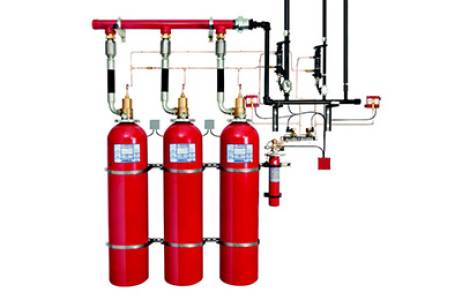
- Cylinder Sizes: Available in various capacities to suit different protected volumes.
- Approvals: UL Listed, FM Approved, VdS, LPCB, CE, NFPA 2001, ISO 14520, EN 15004.
- Environmental Profile: ODP=0, Low GWP, Short Atmospheric Lifetime.