CO2 Fire Extinguisher: The Clean Solution for Electrical & Flammable Liquid Fires
Safeguard Your Critical Assets with Residue-Free Fire Suppression
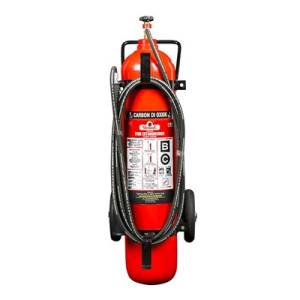
When fire strikes in environments with sensitive electronics, machinery, or valuable documents, a traditional water or foam extinguisher can cause more damage than the fire itself. The CO2 Fire Extinguisher is specifically designed to tackle Class B (flammable liquids and gases) and Class C (electrical) fires without leaving behind any corrosive or damaging residue.
Utilizing clean, non-contaminating carbon dioxide gas, this essential safety device smothers fires by displacing oxygen and cooling the fuel source, ensuring your property remains intact and operational after an incident. Ideal for data centers, server rooms, laboratories, offices, and manufacturing facilities, it's the intelligent choice for protecting your investments.
Key Features:
Residue-Free Operation: Discharges a non-toxic, non-corrosive gas that dissipates completely, leaving no harmful residue to clean up. Protects sensitive electronics, machinery, documents, and food preparation areas from secondary damage.
Class B & C Fire Protection: Specifically rated for:
Class B Fires: Flammable liquids like oil, gasoline, paints, and solvents.
Class C Fires: Energized electrical equipment such as computers, servers, motors, and wiring.
Non-Conductive Agent: CO2 is an electrically non-conductive gas, making it safe and effective for use on energized electrical equipment without posing a shock hazard to the operator.
Rapid Fire Suppression: Quickly reduces the oxygen content around the fire, starving it of the necessary element for combustion and rapidly cooling the fuel.
Durable Construction: Features a high-strength aluminum or steel cylinder (depending on model), robust brass valve, and a durable horn for effective gas discharge. Built to withstand demanding environments.
Easy to Operate: Designed for intuitive use with a simple "pull pin, squeeze lever, sweep" operation.
Rechargeable: Can be refilled by certified professionals after use, offering long-term value.
Ideal for Critical Environments:
Data Centers & Server Rooms: Protects irreplaceable data and expensive hardware.
Laboratories: Safely extinguishes fires involving chemicals and electrical equipment.
Offices: Ideal for areas with computers, printers, and other electronic devices.
Manufacturing Facilities: Effective on machinery, electrical panels, and flammable liquid storage.
Kitchens (Commercial & Residential): Addresses grease fires and electrical appliance fires without contaminating food or surfaces.
Art Galleries & Museums: Protects valuable exhibits from fire damage and corrosive extinguisher agents.
Printing Presses & Workshops: Safe for use around paper, inks, and tools.
Why Choose a CO2 Extinguisher?
Minimize Downtime: No messy cleanup means faster recovery and reduced operational interruptions after a fire.
Protect Expensive Assets: Prevent costly damage to electronics and machinery that water or dry chemical agents would cause.
Enhanced Safety: Provides a fast, effective, and non-conductive solution for electrical fires, reducing risk to personnel.
Compliance: Meets stringent safety standards and regulations for specific fire classes in sensitive environments.
How It Works:
A CO2 extinguisher discharges carbon dioxide gas under high pressure. When released, the gas rapidly expands, displacing the oxygen surrounding the fire and creating a cold, smothering effect. By depriving the fire of oxygen (one of the three elements of the fire triangle), it quickly brings the blaze under control.
Important Safety Considerations:
Oxygen Displacement: CO2 rapidly displaces oxygen. Never use a CO2 extinguisher in small, confined, or unventilated spaces where occupants cannot quickly evacuate. Risk of asphyxiation.
Extreme Cold Discharge: The discharged CO2 gas is extremely cold (-110°F / -79°C). Avoid direct skin contact with the discharge horn or stream to prevent frostbite.
Limited Visibility: The discharge can create a dense cloud, temporarily obscuring vision.
Not for Class A Fires: CO2 is ineffective on Class A (ordinary combustibles like wood, paper, textiles) fires, as it does not cool the material sufficiently to prevent re-ignition.
Training Recommended: Proper training is crucial for safe and effective use.
Technical Specifications (Typical Range):
Feature
Details
Agent
Carbon Dioxide (CO2)
Fire Class Ratings
B:C (Specific numerical ratings vary by size)
Available Sizes
5lb, 10lb, 15lb, 20lb (and larger systems)
Discharge Duration
8-20 seconds (depending on size)
Discharge Range
3-8 feet (depending on size)
Operating Temp.
-22°F to 120°F (-30°C to 49°C)
Valve Material
Brass
Cylinder Material
High-strength Aluminum or Steel
Approvals
UL Listed, CE Marked, EN 3, Kitemark (where applicable)
Maintenance & Care:
Regular inspection is vital to ensure your CO2 extinguisher is always ready for use.
Monthly Visual Checks: Verify pressure gauge (if applicable), ensure pin is intact, nozzle is clear, and no signs of damage.
Annual Professional Servicing: Mandated by regulations, a certified technician must inspect and service the unit.
Hydrostatic Testing: Cylinders require periodic hydrostatic testing (typically every 5-12 years, depending on local codes and cylinder type) to ensure structural integrity.