Description
This product description provides a comprehensive overview of Urban Design as a discipline and its outputs, framed as a "product" for understanding and implementation.
Urban Design: Crafting the Future of Our Cities
Shaping Spaces. Enhancing Lives. Building Legacies.
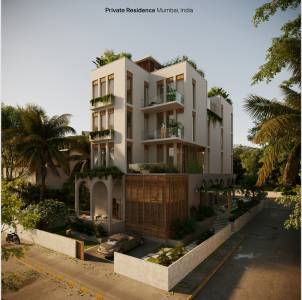
Urban Design is more than just planning; it's the art and science of shaping the physical setting for life in cities and communities. It's the multi-faceted discipline that envisions, plans, and manages the form, function, and experience of urban environments. From bustling city centers to tranquil neighborhood parks, urban design orchestrates the elements that define our daily interactions and long-term quality of life.
Consider Urban Design as the blueprint for vibrant, resilient, and equitable human habitats. It's where big-picture vision meets on-the-ground reality, transforming concepts into tangible places.
Key Principles & Features:
- Holistic Master Planning:
- Comprehensive strategies for land use, infrastructure, and development that consider the entire urban ecosystem.
- Integrates housing, commercial, recreational, and civic functions into cohesive frameworks.
- Outcome: Organized growth, efficient resource allocation, clear development pathways.
- Vibrant Public Realm Design:
- Focus on creating engaging and accessible public spaces such as parks, plazas, streets, and waterfronts.
- Emphasizes human-scaled design, walkability, bicycle infrastructure, and gathering spots.
- Outcome: Enhanced social interaction, improved public health, stronger community identity.
- Sustainable Development Integration:
- Incorporates principles of environmental stewardship, resource efficiency, and climate resilience.
- Promotes green infrastructure, renewable energy solutions, and minimized ecological footprints.
- Outcome: Reduced environmental impact, healthier urban ecosystems, long-term resource security.
- Community-Centric Engagement:
- Prioritizes inclusive participation from residents, stakeholders, and local groups throughout the design process.
- Ensures that designs reflect the needs, values, and aspirations of the people who will use the spaces.
- Outcome: Greater public buy-in, more relevant and beloved places, strengthened civic pride.
- Seamless Connectivity & Mobility:
- Designs for efficient, safe, and enjoyable movement of people and goods across various modes of transport (pedestrian, cycle, public transit, vehicular).
- Reduces reliance on private vehicles, promotes active transport, and integrates transit hubs.
- Outcome: Reduced traffic congestion, improved air quality, enhanced accessibility for all.
- Identity & Placemaking:
- Cultivates a unique sense of place by drawing on local history, culture, and natural characteristics.
- Creates memorable landmarks, distinctive streetscapes, and areas with strong aesthetic appeal and character.
- Outcome: Distinctive urban identities, cultural preservation, increased tourism and local pride.
- Resilience & Adaptability:
- Plans for future changes, including climate impacts, demographic shifts, and technological advancements.
- Designs flexible spaces and infrastructure that can adapt to evolving needs and challenges.
- Outcome: Future-proofed environments, reduced vulnerability to shocks, long-term sustainability.
Why Embrace Urban Design?
- Enhanced Quality of Life: Creates environments that are safer, healthier, more enjoyable, and convenient for residents.
- Economic Vitality: Stimulates local economies through vibrant commercial districts, increased property values, and attractive business environments.
- Environmental Stewardship: Mitigates climate change impacts, preserves natural habitats, and promotes healthier urban ecosystems.
- Social Equity & Inclusion: Designs inclusive spaces that are accessible and welcoming to all members of society, fostering a sense of belonging.
- Aesthetic Appeal & Cultural Richness: Builds beautiful, inspiring places that reflect local heritage and foster cultural expression.
Ideal For:
- Municipalities & City Governments: Seeking strategies for sustainable growth, regeneration, and improving public services.
- Real Estate Developers: Aiming to create high-value, desirable, and marketable urban developments.
- Architects & Landscape Architects: Looking to integrate their building and landscape designs into a larger, cohesive urban context.
- Community Groups & Activists: Advocating for better public spaces, equitable development, and local placemaking initiatives.
- Urban Planners & Policy Makers: Requiring a framework for translating policy into physical form and guiding urban development.
- Educational Institutions & Students: Studying the principles and practices of creating functional, beautiful, and sustainable cities.
The Urban Design Process: How it Works
While every project is unique, the process typically involves:
- Visioning & Goal Setting: Defining aspirations, identifying challenges, and establishing a shared vision for the future of a place.
- Analysis & Research: Comprehensive study of existing conditions, including socio-economic data, environmental factors, infrastructure, and historical context.
- Concept Development: Generating creative solutions through sketches, models, and diagrams, exploring various options for spatial organization and form.
- Detailed Design & Documentation: Refining chosen concepts into specific plans, guidelines, and regulations that guide implementation.
- Implementation & Management: Overseeing construction, coordinating various stakeholders, and managing the development process.
- Monitoring & Evaluation: Assessing the success of implemented designs against initial goals, and making adjustments as necessary.
Ready to Shape a Better Future?
Embrace the power of thoughtful Urban Design. Whether you're a city leader, a developer, or an engaged citizen, understanding and advocating for good urban design is the first step towards creating more livable, sustainable, and equitable communities for generations to come.
Learn More About Urban Design Principles Explore Case Studies of Successful Urban Environments Connect with Urban Design Professionals
Keywords: urban planning, city design, placemaking, sustainable cities, community development, public space, smart growth, urban regeneration, masterplan, livability, urban development, urban landscape, city beautiful, resilient cities.