Description
Root Canal Treatment: Restore Your Smile, Preserve Your Tooth
Unveiling the Path to Lasting Oral Health
Root canal treatment, also known as endodontic therapy, is a highly effective dental procedure designed to save a tooth that has been severely damaged due to infection, inflammation, or trauma to its pulp. Instead of extracting the compromised tooth, a root canal allows you to retain your natural tooth, preventing further complications and maintaining your oral health and beautiful smile.
Often misunderstood, modern root canal therapy is a routine, comfortable procedure performed with precision and care, aiming to alleviate pain and restore your tooth's full function.
Key Benefits of Root Canal Treatment:
- Preserves Natural Tooth: Avoids tooth extraction, maintaining your natural bite, alignment, and facial aesthetics.
- Alleviates Pain: Effectively eliminates the source of infection and inflammation, providing significant and immediate relief from severe toothache and sensitivity.
- Prevents Spread of Infection: Stops harmful bacteria from spreading to other teeth, gums, or into the bloodstream, protecting your overall health.
- Restores Function: Once treated and properly restored (often with a dental crown), the tooth can function normally for chewing and speaking, just like any other natural tooth.
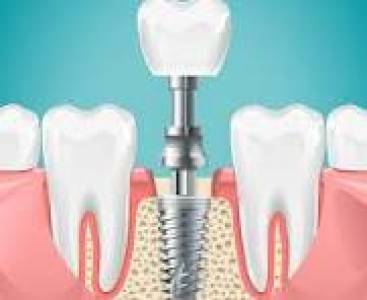
- Cost-Effective Long-Term: Often a more economical and less invasive solution compared to replacing an extracted tooth with a bridge or dental implant.
- Modern & Comfortable Procedure: Advances in dental technology and anesthetics make root canal treatment significantly more comfortable, efficient, and predictable than ever before.
Do You Need a Root Canal? Common Indications:
A root canal may be necessary if you experience any of the following symptoms:
- Severe Toothache: Persistent pain, especially when chewing or applying pressure.
- Prolonged Sensitivity: Lingering pain to hot or cold temperatures, even after the source has been removed.
- Gum Swelling: Swelling, tenderness, or a persistent "pimple-like" bump (fistula) on the gums near the affected tooth.
- Tooth Discoloration: Darkening or discoloration of the tooth.
- Pus Drainage: A bad taste in your mouth from pus draining from the infected area.
- Chipped or Cracked Tooth: A tooth injury that exposes the pulp to bacteria.
- Deep Decay: Extensive tooth decay that has reached the pulp chamber.
The Root Canal Process: A Step-by-Step Guide
Your comfort and well-being are our top priorities throughout the root canal procedure:
- Diagnosis & Anesthesia: We begin with a thorough examination, including X-rays, to confirm the diagnosis. Local anesthesia is then administered to numb the tooth and surrounding area, ensuring a pain-free experience.
- Isolation: A rubber dam is placed around the tooth to keep it dry and free from saliva, isolating it from the rest of the mouth.
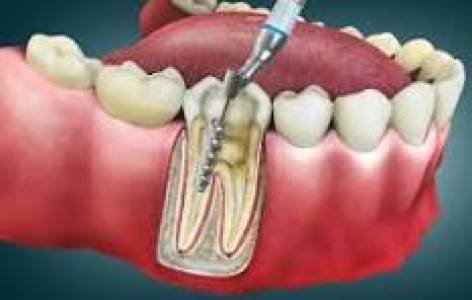
- Access Opening: A small opening is made in the crown of the tooth, providing access to the pulp chamber and root canals.
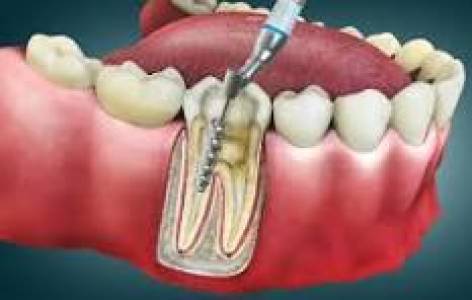
- Pulp Removal & Cleaning: Using specialized, tiny instruments (endodontic files), the infected or inflamed pulp tissue is carefully removed from the pulp chamber and root canals. The canals are thoroughly cleaned and disinfected.
- Shaping & Disinfection: The root canals are meticulously shaped to prepare them for filling and further disinfected to eliminate any remaining bacteria.
- Filling (Obturation): Once the canals are clean and dry, they are filled with a biocompatible material, typically a rubber-like compound called gutta-percha, sealed with an adhesive cement to prevent reinfection.
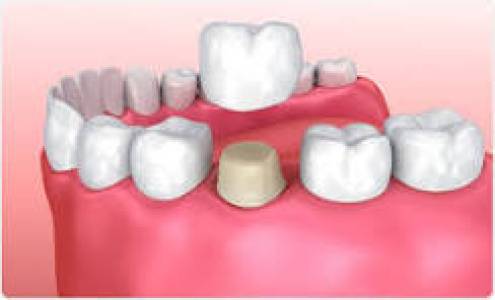
- Temporary or Permanent Restoration: A temporary filling is placed in the access opening. In most cases, a permanent dental crown will be recommended and placed during a subsequent appointment to protect the treated tooth from future fractures and restore its full strength and aesthetics.
What to Expect:
- Before Your Treatment: We will conduct a comprehensive evaluation, discuss the procedure in detail, and answer all your questions to ensure you feel informed and comfortable.
- During Your Treatment: With modern anesthetics, the procedure itself is typically painless. You may feel some pressure or vibration, but no sharp pain.
- After Your Treatment: It's normal to experience some mild sensitivity or tenderness for a few days, especially when chewing, which can be managed with over-the-counter pain relievers. We will provide detailed aftercare instructions to ensure a smooth recovery.
Why Choose Us for Your Root Canal Treatment?
- Experienced & Gentle Dentists: Our team of highly skilled endodontists and general dentists has extensive experience in performing successful root canal therapies with a gentle touch.
- Advanced Technology: We utilize state-of-the-art equipment, including digital X-rays, rotary endodontic instruments, and apex locators, to ensure precise, efficient, and comfortable treatment.
- Patient-Centered Care: We prioritize your comfort and anxiety management, offering amenities and discussing sedation options if needed.
- Comprehensive Follow-Up: We provide thorough post-treatment care and guidance, including options for permanent tooth restoration, to ensure the long-term success of your root canal.
Ready to Find Relief and Save Your Tooth?
Don't let dental pain dictate your life. A root canal can be the solution you need to eliminate discomfort, prevent further problems, and restore your healthy, functional smile.
Contact us today to schedule a consultation and discuss if root canal treatment is the right solution for you.
- Phone: [Your Clinic Phone Number]
- Email: [Your Clinic Email Address]
- Website: [Your Clinic Website Link]
- Address: [Your Clinic Address]
Frequently Asked Questions (FAQ):
- Is a root canal painful? No. With modern local anesthetics, the procedure is designed to be as comfortable as a routine filling. The goal is to relieve pain, not cause it.
- How long does a root canal take? Typically, a root canal can be completed in one or two appointments, each lasting between 60 to 90 minutes, depending on the complexity of the tooth.
- Do I need a crown after a root canal? In most cases, yes. A root canal-treated tooth, especially a back tooth, can become more brittle over time. A dental crown provides essential protection, restoring the tooth's strength and preventing fractures.
- How long does a treated tooth last? With proper care and oral hygiene, a root canal-treated tooth can last a lifetime. Regular dental check-ups are vital for its longevity.
Disclaimer: The information provided here is for general educational purposes only and does not constitute medical advice. Please consult with a qualified dental professional to discuss your specific condition and treatment options.