Description
Root Canal Treatment (Endodontic Therapy)
🦷 Restore Your Smile, Eliminate Pain: Root Canal Treatment
Don't let a damaged tooth ruin your comfort and confidence. Our advanced Root Canal Treatment (RCT), also known as Endodontic Therapy, is a highly effective procedure designed to save your natural tooth, relieve severe pain, and prevent the spread of infection. If you're experiencing persistent tooth pain, sensitivity, or swelling, a root canal might be the life-changing solution you need to regain your oral health.
What is Root Canal Treatment?
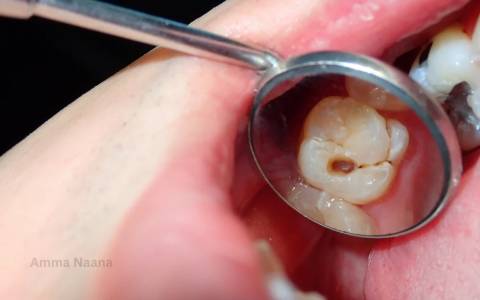
Root Canal Treatment is a dental procedure that removes infected or inflamed pulp (the soft tissue inside your tooth containing nerves and blood vessels) from the tooth's interior. After the diseased pulp is removed, the inside of the tooth is carefully cleaned, disinfected, shaped, and then filled and sealed. This process preserves the tooth structure, prevents further infection, and eliminates discomfort, allowing you to keep your natural tooth for many years to come.
Do You Need a Root Canal? Common Symptoms:
You might be a candidate for Root Canal Treatment if you experience any of the following symptoms:
- Persistent and severe toothache: Especially pain that radiates and lingers.
- Prolonged sensitivity: To hot or cold temperatures, even after the source is removed.
- Swelling and tenderness: In the surrounding gums, jaw, or lymph nodes.
- Pimple-like bump on the gums (fistula): Indicating a draining infection.
- Pain when chewing or applying pressure: On the affected tooth.
- Darkening or discoloration of the tooth: Suggesting nerve damage.
- A cracked or chipped tooth: With exposed pulp.
Benefits of Choosing Root Canal Treatment:
- Pain Relief: Eliminates the source of your severe toothache and discomfort.
- Saves Your Natural Tooth: Avoids the need for extraction and preserves your natural bite.
- Prevents Infection Spread: Stops bacteria from spreading to other teeth, gums, and even into your bloodstream.
- Maintains Oral Aesthetics: Your natural tooth remains in place, maintaining your smile's appearance.
- Preserves Chewing Efficiency: Allows you to continue eating your favorite foods without discomfort.
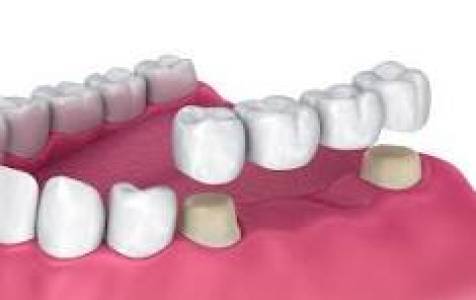
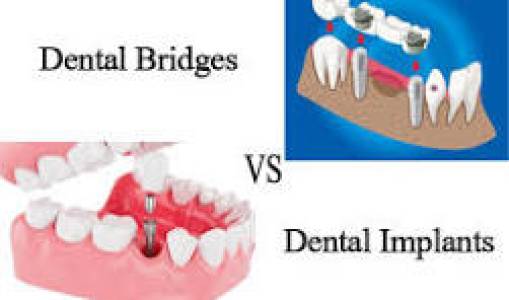
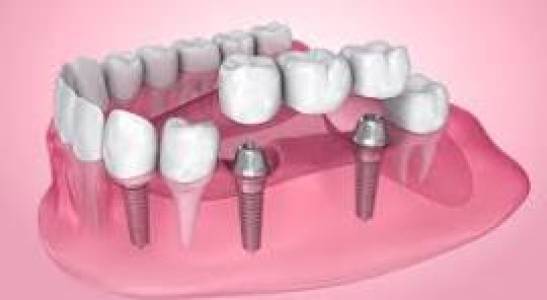
- Cost-Effective Long-Term: Often less expensive than replacing a lost tooth with a bridge or implant.
- Prevents Shifting of Teeth: Keeps adjacent teeth from drifting into the gap left by an extraction.
Our Root Canal Treatment Process:
We prioritize your comfort and ensure a thorough, effective procedure. Our typical Root Canal Treatment involves the following steps:
- Diagnosis: We start with a comprehensive examination, including digital X-rays, to accurately diagnose the extent of the infection and assess the root canal system.
- Anesthesia: The affected area is completely numbed using local anesthetic, ensuring a pain-free experience during the procedure. Sedation options are also available for anxious patients.
- Access Opening: A small opening is made on the crown of the tooth to access the pulp chamber and root canals.
- Pulp Removal & Cleaning: Using specialized, flexible instruments (often rotary files), the infected or inflamed pulp is carefully removed from the root canals. The canals are thoroughly cleaned, disinfected, and shaped.
- Filling & Sealing: Once the canals are clean and dry, they are filled with a biocompatible material, typically gutta-percha, and sealed with an adhesive cement to prevent re-infection.
- Temporary Restoration: A temporary filling is placed to seal the access opening until your permanent restoration can be placed.
- Permanent Restoration (Crown): This crucial final step protects your treated tooth. After a root canal, the tooth can become brittle. A dental crown is usually recommended to protect the treated tooth from fracture and restore its full function and appearance.
What to Expect:
- During the Procedure: Thanks to modern anesthetics, the procedure itself is typically no more uncomfortable than a standard filling. You might feel some pressure, but no pain.
- After the Procedure: It's normal to experience some mild soreness or sensitivity for a few days, especially when chewing. This can usually be managed with over-the-counter pain relievers. Avoid chewing on the treated tooth until your permanent crown is placed.
- Long-Term: With proper care and good oral hygiene, a root canal-treated tooth can last a lifetime. Regular dental check-ups are essential to monitor its health.
Why Choose Us for Your Root Canal Treatment?
- Experienced Endodontic Team: Our dentists have extensive experience and specialized training in endodontic procedures, ensuring precise and successful outcomes.
- State-of-the-Art Technology: We utilize advanced equipment, including digital X-rays, rotary instruments, and apex locators, for accurate diagnosis and efficient treatment.
- Patient-Centered Care: Your comfort and well-being are our top priorities. We offer various comfort amenities and sedation options to make your experience as relaxed as possible.
- Personalized Treatment Plans: We take the time to explain your diagnosis, discuss all treatment options, and create a plan tailored to your specific needs.
- Sterile Environment: We adhere to the highest standards of sterilization and cleanliness for your safety.
Frequently Asked Questions (FAQ):
Q: Is a root canal painful? A: No. With modern anesthetics and techniques, a root canal procedure is designed to relieve pain, not cause it. Most patients report feeling no more discomfort than they would with a routine filling.
Q: How long does a root canal take? A: A root canal typically takes one or two appointments, each lasting about 60 to 90 minutes, depending on the complexity of the tooth's anatomy.
Q: What happens if I don't get a root canal? A: If left untreated, an infected tooth can lead to severe pain, abscess formation, bone loss, and the infection can spread to other parts of your body, potentially requiring extraction.
Q: Will I need a crown after a root canal? A: In most cases, yes. A dental crown is highly recommended after a root canal to protect the treated tooth from fracture and restore its strength and function, as the tooth can become brittle over time.
Q: How much does a root canal cost? A: The cost varies depending on the tooth involved (front teeth are generally less complex than molars) and your insurance coverage. We will provide a detailed cost estimate before beginning treatment. While it may seem like a significant investment, it's often more cost-effective than extracting the tooth and replacing it with an implant or bridge.
📞 Don't Live with Tooth Pain – Schedule Your Consultation Today!
If you're experiencing symptoms of an infected tooth, don't delay treatment. Contact us today to schedule a comprehensive examination and discuss whether Root Canal Treatment is the right solution for you. We're here to help you get out of pain and preserve your natural smile!
[Your Clinic Name/Phone Number/Website]
Disclaimer: This product description is for informational purposes only and does not constitute medical advice. A proper diagnosis and treatment plan can only be provided by a qualified dental professional after a thorough examination. Individual results may vary.