Root Canal Treatment

      Description


      Here's a detailed product description for Root Canal Treatment, formatted in Markdown:

      Root Canal Treatment: Save Your Tooth, End Your Pain

      Experiencing persistent toothache, sensitivity to hot and cold, or swelling around a tooth? These could be signs of an infected or inflamed tooth pulp, a condition that, if left untreated, can lead to severe pain, abscess formation, and even tooth loss.

      Root Canal Treatment (RCT), also known as endodontic treatment, is a highly effective and common dental procedure designed to relieve your discomfort, eliminate infection, and save your natural tooth. It's a precise solution to a painful problem, allowing you to maintain your natural smile and bite for years to come.

      What is Root Canal Treatment?

      Inside each of your teeth is a soft tissue called the pulp, which contains nerves, blood vessels, and connective tissue. When this pulp becomes inflamed or infected due often to deep decay, repeated dental procedures, a crack or chip in the tooth, or trauma, a root canal becomes necessary.

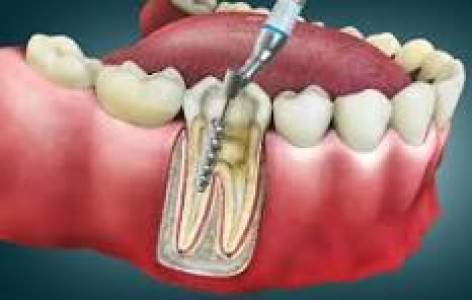
      The procedure involves carefully removing the damaged or infected pulp, thoroughly cleaning and disinfecting the inside of the tooth (including its root canals), and then filling and sealing it to prevent further infection. This process eliminates the source of pain and allows your natural tooth to be preserved.

      Key Features & Benefits

      • Pain Relief: The primary goal and immediate benefit of a root canal is the elimination of severe tooth pain and discomfort caused by the infection.
      • Preserves Natural Tooth: Avoids the need for tooth extraction, allowing you to keep your natural tooth and maintain its function and aesthetics.
      • Prevents Infection Spread: Removes bacteria and infected tissue, stopping the infection from spreading to other teeth or into your jawbone.
      • Maintains Oral Health: Keeps your natural bite and chewing efficiency intact, preventing surrounding teeth from shifting.
      • A Cost-Effective Solution: While an investment, a root canal is often more cost-effective in the long run than extracting a tooth and replacing it with an implant or bridge.
      • High Success Rate: With modern techniques and proper care, root canal-treated teeth can last a lifetime.
      • Comfortable Procedure: Performed under local anesthesia, ensuring a virtually pain-free experience during the treatment itself.

      Who Needs Root Canal Treatment? (Indications)

      You might be a candidate for root canal treatment if you experience any of the following symptoms:

      • Severe toothache pain upon chewing or application of pressure.
      • Prolonged sensitivity to hot or cold temperatures (even after the source of heat or cold has been removed).
      • Discoloration or darkening of the tooth.
      • Swelling and tenderness in the surrounding gums.
      • A persistent "pimple" on the gums (a sign of an abscess).
      • Chipped or cracked tooth that has exposed the pulp.

      The Procedure: What to Expect

      Root canal treatment is typically completed in one or two appointments, depending on the complexity of the case.

      1. Diagnosis & Anesthesia: Your dentist will take X-rays and perform an examination to confirm the diagnosis. Local anesthesia is then administered to numb the tooth and surrounding area, ensuring a comfortable experience.
      2. Access Opening: A small opening is made in the crown of the tooth to access the pulp chamber and root canals.
      3. Cleaning & Shaping: The infected or inflamed pulp is carefully removed. The inside of the tooth and root canals are thoroughly cleaned, disinfected, and shaped using specialized instruments.
      4. Filling & Sealing: The cleaned canals are filled with a biocompatible, rubber-like material called gutta-percha, which is then sealed with an adhesive cement to prevent re-infection.
      5. Restoration: A temporary filling is placed to seal the opening. In most cases, a permanent crown or filling will be placed in a subsequent visit to protect the tooth from future damage and restore its full function.

      Aftercare & Recovery

      After your root canal procedure, you may experience mild sensitivity or discomfort for a few days, which can be managed with over-the-counter pain medication. It's important to:

      • Avoid chewing on the treated tooth until your permanent restoration (crown) is placed.
      • Maintain good oral hygiene with regular brushing and flossing.
      • Attend your follow-up appointments to ensure proper healing and placement of your permanent crown.

      With proper care and regular dental check-ups, your root canal-treated tooth can last a lifetime!

      Frequently Asked Questions (FAQs)

      Q: Is root canal treatment painful?

      A: No. With modern local anesthetics and techniques, root canal treatment is typically no more uncomfortable than getting a regular filling. The procedure itself relieves the pain caused by the infection.

      Q: How long does a root canal take?

      A: Most root canal procedures are completed in one or two appointments, each lasting between 60 to 90 minutes, depending on the tooth's complexity and the extent of the infection.

      Q: What are the alternatives to a root canal?

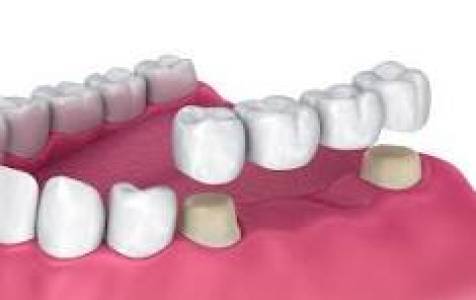
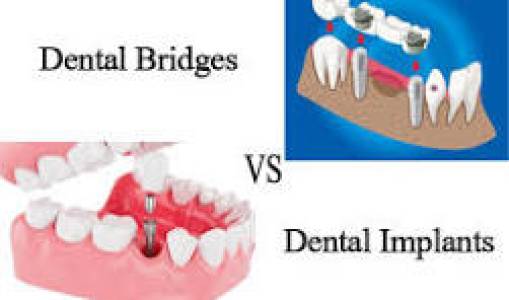
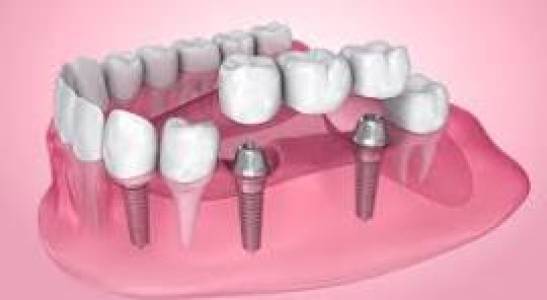
      A: The only alternative to a root canal when the pulp is irreversibly damaged is tooth extraction. While extraction eliminates the problem tooth, it creates a gap that can lead to shifting teeth, difficulty chewing, and bone loss, often requiring further treatment like a dental implant or bridge.

      Q: How much does a root canal cost?

      A: The cost varies depending on the tooth involved (front teeth are generally less complex than molars), the severity of the infection, and geographic location. While it's an investment, it's often more affordable in the long run than extraction followed by a replacement solution like an implant or bridge.

      Q: Is a root canal safe?

      A: Yes. Root canal treatment is a highly safe and common procedure with a very high success rate. It's designed to remove infection and prevent its spread, preserving your natural tooth.

      Don't Let Tooth Pain Dictate Your Life!

      If you're experiencing symptoms of an infected tooth, don't delay. Early diagnosis and treatment can prevent further complications and ensure the best possible outcome.

      Contact us today to schedule a consultation and find out if Root Canal Treatment is the right solution for you. Let us help you alleviate your pain and restore your healthy, confident smile!

      Tags: Root Canal Treatment