Description
Here's a detailed product description for Root Canal Treatment, formatted in Markdown:
Root Canal Treatment (Endodontic Therapy)
Don't let persistent tooth pain dictate your life. Root Canal Treatment, also known as Endodontic Therapy, is a highly effective and routine dental procedure designed to alleviate pain, eliminate infection, and save a severely damaged or infected tooth from extraction. It's a testament to modern dentistry's ability to preserve your natural smile and maintain your oral health.
Understanding Root Canal Treatment
Beneath the hard enamel and dentin of your tooth lies the pulp – a soft tissue containing nerves, blood vessels, and connective tissue. When this pulp becomes inflamed or infected due to deep decay, repeated dental procedures, cracks, or trauma, it can cause severe pain and lead to an abscess. Root canal treatment involves carefully removing the damaged pulp, thoroughly cleaning and disinfecting the inside of the tooth, and then filling and sealing it to prevent future infection.
Who Needs This Treatment?
You might need a root canal if you experience any of the following symptoms:
- Severe Toothache Pain: Especially when chewing or applying pressure.
- Prolonged Sensitivity: To hot or cold temperatures, even after the source is removed.
- Tenderness and Swelling: In the surrounding gums.
- Pimples on the Gums: A sign of an abscess (pus formation).
- Discoloration: Darkening of the tooth.
- Persistent or Recurring Gum Infection: Leading to chronic bad taste or breath.
The Procedure: A Step-by-Step Overview
Often performed in one or two visits, our root canal procedure focuses on precision, comfort, and long-term success.
- Diagnosis & Anesthesia:
- We begin with a thorough examination, including X-rays, to assess the extent of the damage.
- Local anesthesia is administered to completely numb the affected tooth and surrounding area, ensuring you feel no pain during the procedure.
- Access Opening:
- A small opening is made in the crown of the tooth, providing access to the pulp chamber and root canals.
- Pulp Removal & Cleaning:
- Using specialized instruments, the infected or inflamed pulp is carefully removed from the pulp chamber and the intricate root canals.
- The canals are then meticulously cleaned, shaped, and disinfected to remove bacteria and debris.
- Filling & Sealing (Obturation):
- Once the tooth is thoroughly cleaned and dried, the root canals are filled with a biocompatible, rubber-like material called gutta-percha.
- A special adhesive cement is used to seal the canals, preventing re-infection.
- Restoration:
- A temporary filling is placed in the access opening. In most cases, a dental crown is recommended after the root canal treatment to protect the treated tooth from future fractures and restore its full function and appearance. This is typically done in a separate visit.
The Unrivaled Benefits of Root Canal Treatment
- Exceptional Pain Relief: Eliminates the excruciating pain caused by infected or inflamed pulp.
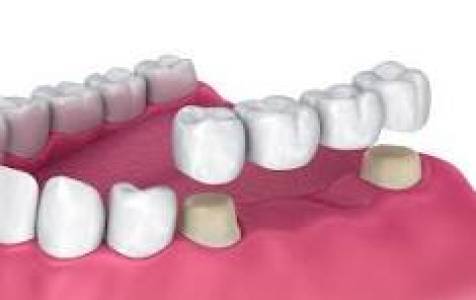
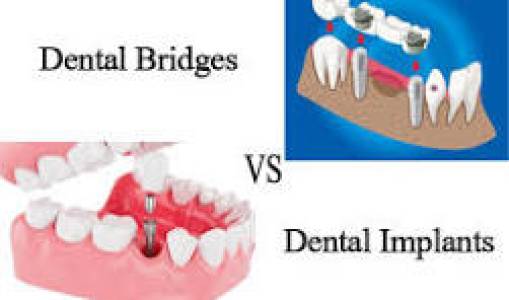
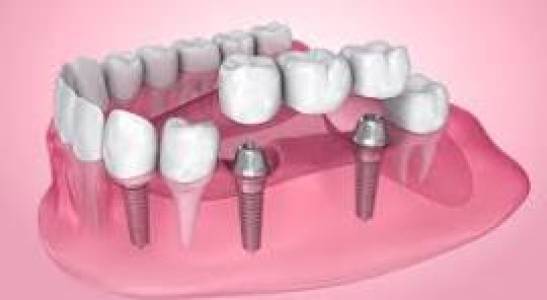
- Save Your Natural Tooth: Preserves your natural tooth, avoiding the need for extraction and subsequent tooth replacement options like implants or bridges.
- Prevent Further Infection: Stops the spread of infection to other teeth, gums, and even your jawbone.
- Maintain Aesthetics & Function: Keeps your natural bite and maintains the natural appearance of your smile.
- Cost-Effective: Often more economical in the long run than extraction followed by a bridge or implant.
Why Choose [Your Clinic Name] for Your Root Canal Treatment?
At [Your Clinic Name], we combine expertise with compassion to ensure your root canal experience is as comfortable and stress-free as possible:
- Experienced Endodontists/Dentists: Our highly skilled team has extensive experience in performing successful root canal treatments.
- State-of-the-Art Technology: We utilize advanced diagnostic tools (digital X-rays, 3D imaging), precision instruments, and modern techniques to ensure optimal outcomes.
- Patient Comfort Focus: We prioritize your comfort with effective local anesthesia, sedation options if needed, and a calming environment.
- Comprehensive Care: From initial diagnosis to post-treatment follow-up and final restoration, we provide continuous, personalized care.
- Transparent Communication: We explain every step of the process, ensuring you are informed and confident in your treatment plan.
Common Myths Debunked
- "Root canals are incredibly painful." Modern root canal treatments are performed under effective local anesthesia, making the procedure itself no more uncomfortable than a routine filling. The treatment actually relieves the pain caused by the infection.
- "It's better to just pull the tooth." Saving your natural tooth is almost always the best option. It maintains your bite, prevents shifting of adjacent teeth, and avoids the complexities and costs associated with tooth replacement.
- "Root canal treated teeth will always cause problems." With proper care and a timely permanent restoration (like a crown), a root canal treated tooth can last a lifetime.
Ready for Relief?
If you're experiencing symptoms of a tooth infection or severe dental pain, don't wait. Early intervention can make a significant difference in saving your tooth and preventing further complications.
Contact [Your Clinic Name] today to schedule your consultation and explore how Root Canal Treatment can bring you lasting relief and restore your oral health.
- Call Us: [Your Phone Number]
- Visit Us: [Your Address]
- Learn More: [Your Website]
Disclaimer: This information is for general educational purposes only and does not constitute medical advice. Please consult with a qualified dental professional at [Your Clinic Name] to discuss your specific condition and treatment options.