Description
Here's a detailed product description for Root Canal Treatment in Markdown format:
Root Canal Treatment: Restore Health, Relieve Pain, Save Your Natural Tooth
Experiencing persistent tooth pain, sensitivity, or swelling? These could be signs of an infected or damaged tooth pulp, a condition that left untreated can lead to severe complications and even tooth loss. Root Canal Treatment (RCT) is a highly effective, modern dental procedure designed to alleviate pain, eliminate infection, and save your natural tooth.
What is Root Canal Treatment?
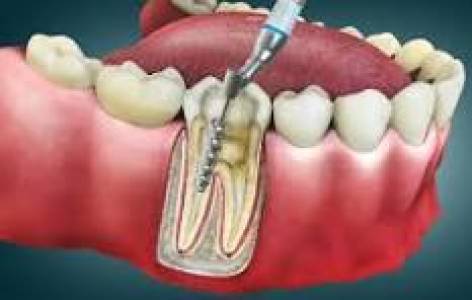
Often misunderstood, Root Canal Treatment (also known as Endodontic Treatment) is a specialized procedure focused on the inside of your tooth. It involves removing the infected or inflamed pulp (the soft tissue containing nerves, blood vessels, and connective tissue) from the root canal system, thoroughly cleaning and disinfecting the space, and then filling and sealing it to prevent further infection. The goal is simple: preserve your tooth and restore its health.
Key Benefits & Why Choose Root Canal Treatment:
- Immediate Pain Relief: Eliminates the source of your severe toothache and discomfort, allowing you to get back to your normal life.
- Preserve Your Natural Tooth: Avoids the need for extraction, maintaining your natural bite, chewing function, and smile aesthetics.
- Stop Infection Spread: Clears bacteria and prevents the infection from spreading to other teeth, gums, or your jawbone, protecting your overall health.
- Restore Functionality: Once treated and restored, the tooth can function normally for chewing and speaking without pain.
- Maintain Aesthetics: Keeps your natural tooth in place, preventing gaps that can lead to shifting adjacent teeth or bone loss.
- Long-Term Solution: With proper care and a protective restoration (like a crown), a treated tooth can last a lifetime.
- Modern & Comfortable: Advances in endodontics have made the procedure far more comfortable and efficient than commonly perceived, often no more uncomfortable than a standard filling.
When Is Root Canal Treatment Recommended?
You might need an RCT if you experience:
- Persistent, Severe Toothache: Especially when chewing or applying pressure.
- Prolonged Sensitivity: To hot or cold temperatures, even after the source is removed.
- Tenderness or Swelling: In the gums around the affected tooth.
- A Small, Pimple-like Bump on the Gums: This is a fistula or abscess, indicating infection.
- Discoloration or Darkening of the Tooth: A sign of internal damage or necrosis.
- Swelling in the Face or Neck: Indicating a more widespread infection.
- Deep Decay or a Cracked Tooth: Leading to pulp exposure and infection.
- Injury to the Tooth: Causing pulp damage, even if there's no visible crack.
The Root Canal Procedure: What to Expect
Our team is committed to making your root canal experience as comfortable and stress-free as possible. The procedure typically involves:
- Diagnosis & Anesthesia: We begin with a thorough examination, including X-rays, to confirm the diagnosis. Local anesthesia is administered to numb the affected tooth and surrounding area, ensuring you feel no pain during the procedure.
- Access Opening: A small opening is made in the crown of the tooth to access the pulp chamber and root canals.
- Pulp Removal & Cleaning: Using specialized, tiny instruments, the infected or inflamed pulp is carefully removed from the canals. The canals are then meticulously cleaned, shaped, and disinfected to remove all bacteria.
- Filling & Sealing: Once clean and dry, the canals are filled with a biocompatible, rubber-like material called gutta-percha, and sealed with an adhesive cement to prevent re-infection.
- Temporary Restoration: A temporary filling is placed in the access opening to protect the tooth until your permanent restoration is ready.
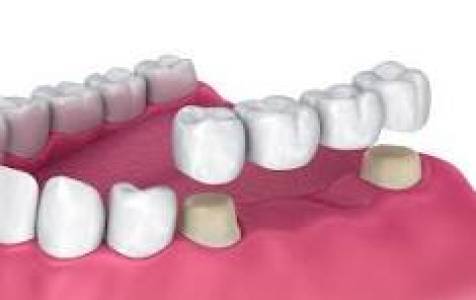
- Permanent Restoration (Crown): In most cases, a dental crown is recommended after root canal treatment. This is crucial to protect the treated tooth from fracture and restore its full strength, aesthetics, and function. This is typically done in a follow-up appointment.
After Your Treatment: Recovery & Care
- Mild Sensitivity: It's normal to experience some mild sensitivity or discomfort for a few days after the procedure, especially while the anesthetic wears off. Over-the-counter pain relievers can help manage this.
- Avoid Chewing: Try to avoid chewing on the treated tooth until your permanent crown or filling is placed to prevent fracturing the weakened tooth.
- Maintain Oral Hygiene: Continue your regular brushing and flossing routine.
- Follow-Up: Attend all scheduled follow-up appointments for the placement of your permanent restoration and subsequent check-ups.
- Long-Term Success: With proper oral hygiene and regular dental check-ups, your treated tooth can last a lifetime.
Ready to Get Relief?
Don't let dental pain dictate your life. If you suspect you need root canal treatment or are experiencing any of the symptoms listed, contact us today to schedule a consultation. Our experienced team is here to provide gentle, effective care and help you regain your oral health and comfortable smile.
Disclaimer: This information is for educational purposes only and does not constitute medical advice. A proper diagnosis and treatment plan for root canal treatment can only be determined by a qualified dental professional after a thorough examination. Please consult with your dentist for personalized advice.