Description
Here's a detailed product description for "Root Canal" in Markdown format, aiming for clarity, reassurance, and comprehensive information for a prospective patient.
Root Canal Therapy: Preserve Your Natural Smile and Eliminate Pain
Introduction
Experiencing a severe toothache, persistent sensitivity, or facial swelling? These could be signs of an infection or inflammation deep within your tooth. While the idea of a "root canal" might sound intimidating, modern Root Canal Therapy (RCT), also known as Endodontic Treatment, is a highly effective, comfortable, and often painless procedure designed to save your natural tooth, relieve pain, and prevent further oral health complications.
At [Your Clinic Name], we are committed to providing exceptional care, utilizing advanced techniques and technology to ensure a positive and successful experience. Our primary goal is to preserve your natural teeth whenever possible, allowing you to maintain your oral health and beautiful smile for years to come.
What is Root Canal Therapy?
Root Canal Therapy is a specialized dental procedure that treats the infected or inflamed pulp inside a tooth. The pulp, located in the center of the tooth, contains nerves, blood vessels, and connective tissue. When this pulp becomes damaged or infected due to deep decay, repeated dental procedures, a crack, or trauma, it can lead to severe pain and potentially an abscess.
During RCT, the diseased pulp is carefully removed, the inside of the tooth is thoroughly cleaned and disinfected, and then filled and sealed. This process eliminates the infection, relieves your discomfort, and saves the tooth from extraction.
Key Features & Benefits
- Exceptional Pain Relief: The most immediate and significant benefit. RCT eliminates the source of infection and inflammation, providing lasting relief from toothaches and sensitivity.
- Tooth Preservation: Saves your natural tooth from extraction, maintaining your natural bite and preventing the shifting of adjacent teeth. This is crucial for long-term oral health and facial structure.
- Infection Elimination: Thoroughly removes bacteria and infected tissue, preventing the spread of infection to other teeth or into the bloodstream.
- Restores Functionality: Once treated and restored (often with a crown), your tooth can function normally for chewing and speaking, allowing you to enjoy your favorite foods again.
- Natural Appearance: By saving your natural tooth, you maintain the aesthetic integrity of your smile. A custom-fitted crown can perfectly match your existing teeth.
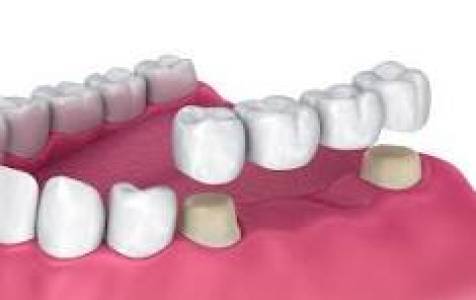
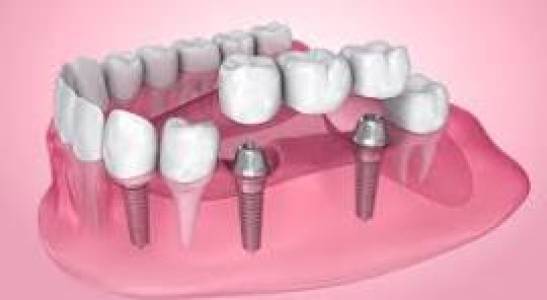
- Cost-Effective in the Long Run: While an upfront investment, saving a natural tooth is often less costly and less complicated than replacing it with an artificial tooth (e.g., bridge or implant) after extraction.
- High Success Rate: With modern techniques and proper care, root canal therapy boasts a success rate of over 95%, making it a reliable and durable solution.
- Comfort-Focused Procedure: Utilizes local anesthesia to ensure a comfortable, virtually pain-free experience during the treatment itself. Many patients find the procedure no more uncomfortable than a routine filling.
When is Root Canal Therapy Needed?
You might need root canal therapy if you experience any of the following symptoms or conditions:
- Persistent or Severe Toothache: Especially pain that radiates to your jaw, ear, or head.
- Prolonged Sensitivity: To hot or cold temperatures, even after the stimulus is removed.
- Swelling or Tenderness: In the surrounding gums, jaw, or face.
- A "Pimple" on the Gums: A recurring or persistent fistula (pimple-like bump) indicates an infection draining from the tooth.
- Discoloration of the Tooth: A darkening or grayish hue of the tooth, indicating nerve damage.
- Pain Upon Chewing or Pressure: Particularly when biting down.
- Deep Decay: That has reached the pulp chamber.
- Cracked or Chipped Tooth: Allowing bacteria to enter the pulp.
- Trauma to the Tooth: Caused by an injury or accident.
The Root Canal Therapy Process (Simplified)
Root Canal Therapy typically involves one or two visits, depending on the complexity of the case and the extent of the infection.
- Diagnosis & Anesthesia: We begin with a thorough examination, including X-rays, to confirm the diagnosis. Local anesthesia is administered to numb the tooth and surrounding area, ensuring your comfort.
- Access Opening: A small opening is made in the crown of the tooth to access the pulp chamber and root canals.
- Pulp Removal & Cleaning: The infected or inflamed pulp is carefully removed. The root canals are then meticulously cleaned, shaped, and disinfected using specialized instruments and irrigating solutions.
- Filling & Sealing: Once clean, the canals are filled with a biocompatible material, typically gutta-percha, and sealed with an adhesive cement to prevent re-infection.
- Temporary Restoration: A temporary filling is placed in the access opening to protect the tooth until your permanent restoration is applied.
- Permanent Restoration: In most cases, a dental crown is recommended to protect the treated tooth from future fractures and restore its full strength and function. This is a crucial step for the long-term success of the root canal.
What to Expect
- During the Procedure: You will be comfortably numb and should not feel any pain. You might feel some pressure or vibration.
- After the Procedure: It's normal to experience some mild sensitivity or soreness for a few days, especially when chewing, as your body heals. This can typically be managed with over-the-counter pain relievers.
- Follow-Up: A follow-up appointment will be scheduled for your permanent restoration (crown), which is vital for the long-term success and protection of the treated tooth.
Post-Treatment Care
- Avoid Chewing: Do not chew on the treated tooth until your permanent crown or restoration is placed.
- Good Oral Hygiene: Continue to brush and floss regularly to maintain excellent oral health.
- Regular Check-ups: Maintain your routine dental check-ups and cleanings to monitor the health of your treated tooth and overall oral health.
- Complete Restoration: It is critical to return for your permanent crown or filling as recommended by your dentist to protect the tooth from fracture and ensure the success of the root canal.
Why Choose [Your Clinic Name] for Your Root Canal Therapy?
- Experienced Endodontic Team: Our dentists have extensive experience and specialized training in endodontic procedures, ensuring precise and effective treatment.
- Advanced Technology: We utilize state-of-the-art equipment, including digital X-rays, rotary instruments, and apex locators, for accurate diagnosis and efficient treatment.
- Patient-Centered Comfort: Your comfort is our priority. We offer a relaxing environment and gentle techniques to make your experience as stress-free as possible.
- Personalized Treatment Plans: We take the time to explain your diagnosis, treatment options, and answer all your questions, ensuring you feel confident and informed.
- Commitment to Preservation: We believe in saving your natural teeth whenever possible, providing comprehensive care focused on long-term oral health.
Don't Let Tooth Pain Compromise Your Health and Happiness!
If you are experiencing symptoms that suggest the need for root canal therapy, don't delay. Early intervention can prevent further complications and save your tooth.
Contact [Your Clinic Name] today at [Phone Number] or visit our website at [Website Address] to schedule a consultation. Let us help you find relief, preserve your natural smile, and restore your oral health.