Description
Save Your Smile: Advanced Root Canal Therapy
Rediscover Comfort and Preserve Your Natural Tooth with Expert Root Canal Treatment
Root canal treatment, also known as endodontic therapy, is a highly effective and common dental procedure designed to save a tooth that has been severely damaged by deep decay, trauma, cracks, or infection. If you're experiencing persistent tooth pain, prolonged sensitivity to hot or cold, swelling, or a tenderness in your gums, a root canal might be the solution to alleviate discomfort and preserve your natural smile for years to come.
Despite its historical reputation, modern root canal therapy is often no more uncomfortable than a routine dental filling, thanks to advanced techniques, precise instruments, and highly effective local anesthesia. Our primary goal is to eliminate pain and restore the health and function of your tooth.
What is a Root Canal?
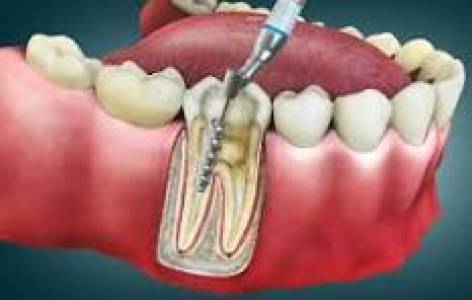
Inside each tooth, beneath the hard enamel and dentin, is a soft tissue called the pulp. The pulp contains nerves, blood vessels, and connective tissue, and extends from the crown of the tooth to the tip of its roots. When the pulp becomes infected or inflamed (often due to deep decay, repeated dental procedures, cracks, or trauma), it can cause significant pain and, if left untreated, lead to an abscess, bone loss, and eventually tooth loss.
A root canal procedure involves carefully removing the infected or inflamed pulp, thoroughly cleaning and shaping the inside of the root canal system, and then filling and sealing the space. This process removes the source of the infection and pain, saving the tooth from extraction.
Key Benefits of Root Canal Therapy:
- Eliminates Pain & Discomfort: Say goodbye to throbbing toothaches, pressure sensitivity, and the constant worry of dental pain.
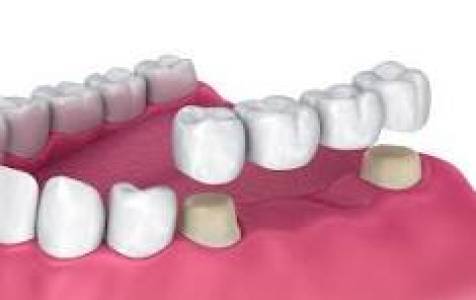
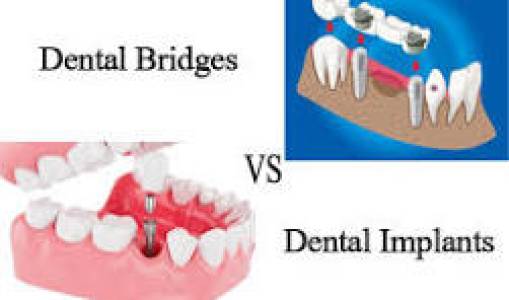
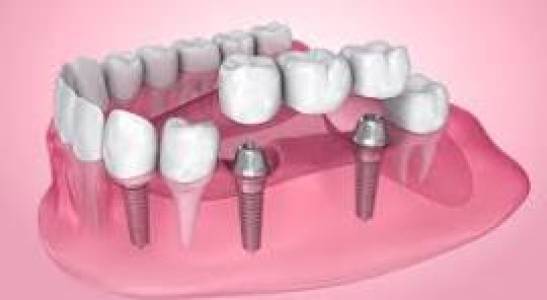
- Saves Your Natural Tooth: Avoid tooth extraction, which can lead to further complications like shifting teeth, difficulty chewing, and the need for costly bridges or implants.
- Restores Oral Health: Removes infection and inflammation, preventing its spread to other teeth, gums, and even other areas of the body.
- Preserves Your Smile's Aesthetics: Keeps your natural tooth in place, maintaining the natural look and alignment of your smile.
- Restores Chewing Function: Allows you to eat and speak comfortably and confidently again.
- Long-Term Solution: With proper aftercare and a final restoration (often a crown), a root canal-treated tooth can last a lifetime.
- Cost-Effective: Often a more affordable long-term solution compared to tooth extraction followed by a dental implant or bridge.
The Root Canal Process: What to Expect
Our priority is your comfort throughout the procedure. Here's a general overview of the steps involved in a typical root canal treatment:
- Diagnosis & X-Rays: We'll conduct a thorough examination, including digital X-rays, to accurately diagnose the problem and confirm the need for a root canal. This helps us visualize the extent of the infection and the anatomy of your tooth's root canals.
- Anesthesia: Local anesthetic is administered around the affected tooth to ensure the area is completely numb, so you feel no pain during the procedure.
- Isolation: A small protective sheet called a dental dam is placed around the tooth. This isolates the tooth, keeps it clean and dry, and prevents bacteria from entering the treated area.
- Access Opening: A small opening is carefully made in the crown of the tooth to access the pulp chamber and root canals.
- Cleaning & Shaping: Using specialized tiny instruments, the infected or inflamed pulp is meticulously removed from inside the tooth. The root canals are then thoroughly cleaned, disinfected, and shaped to prepare them for filling.
- Filling (Obturation): Once the canals are clean and dry, they are filled with a biocompatible, rubber-like material called gutta-percha. This material, often combined with an adhesive sealer, effectively seals the canals to prevent re-infection.
- Temporary Filling: A temporary filling is placed in the access opening to protect the tooth until the final restoration.
- Final Restoration: In most cases, a dental crown will be recommended and fabricated in a subsequent appointment. A crown is essential to protect the treated tooth from future fracture, especially molars and premolars that withstand significant chewing forces, and to restore its full function and appearance.
Is a Root Canal Right for You? Common Indications:
You may need a root canal if you experience any of the following symptoms:
- Persistent tooth pain: Especially severe pain when chewing or applying pressure.
- Prolonged sensitivity: To hot or cold temperatures, even after the source is removed.
- Swelling and tenderness: In the surrounding gums or jaw.
- A small, pimple-like bump (abscess): On the gums near the affected tooth.
- Darkening or discoloration of the tooth: Suggesting internal damage.
- Tenderness in lymph nodes (sometimes).
- Signs of infection or inflammation visible on dental X-rays.
Experience the Difference: Modern Root Canal Therapy
At [Your Practice Name/Our Clinic], we understand that the thought of a root canal can be daunting. That's why we're committed to providing a comfortable, efficient, and effective treatment experience:
- Gentle, Compassionate Care: Your comfort is our top priority. We utilize effective local anesthesia and employ gentle techniques to ensure a virtually pain-free procedure.
- Advanced Technology: We leverage state-of-the-art equipment, including digital X-rays, rotary endodontic instruments, and microscopic magnification, for precise and efficient treatment, leading to better outcomes and faster recovery.
- Experienced Professionals: Our highly skilled dentists/endodontists have extensive experience in successful root canal therapy, continuously updating their knowledge and skills in endodontic treatments.
- Clear Communication: We believe in patient education. We'll explain every step of the process, discuss your options, and answer all your questions thoroughly.
- Post-Treatment Support: You'll receive comprehensive aftercare instructions and support to ensure a smooth recovery and the long-term success of your treated tooth.
Frequently Asked Questions (FAQs)
- Is a root canal painful? With modern anesthetics and techniques, the procedure itself is typically painless. Most patients report feeling only pressure or vibrations. The goal of a root canal is to relieve your existing pain, not cause it.
- How long does the procedure take? A single root canal typically takes between 1 to 2 hours, though complex cases or teeth with multiple canals may require more time or a second appointment.
- What's the recovery like? You may experience some mild sensitivity, soreness, or tenderness in the treated tooth and surrounding gums for a few days after the procedure. This is normal and easily managed with over-the-counter pain relievers. We'll provide detailed aftercare instructions.
- How long will the treated tooth last? With good oral hygiene, regular dental check-ups, and the recommended final restoration (often a crown), a root canal-treated tooth can last a lifetime.
- Why do I need a crown after a root canal? A tooth that requires a root canal often has extensive decay or a large filling, making it more brittle and susceptible to fracture. A dental crown provides essential protection, strength, and restores the tooth's full function and appearance, ensuring the long-term success of your root canal.
Don't Delay Relief – Schedule Your Consultation Today!
If you're experiencing symptoms that suggest the need for a root canal, don't wait for the problem to worsen. Untreated infections can lead to more serious complications.
Contact [Your Practice Name] today to schedule a comprehensive examination. Let us help you eliminate pain, preserve your natural tooth, and restore the health and beauty of your smile.
[Your Practice Name] [Your Practice Address] [Your Phone Number] [Your Website] [Your Email Address]
Disclaimer: This product description provides general information about root canal therapy. It is not a substitute for professional dental advice, diagnosis, or treatment. Always seek the advice of a qualified dental professional for any questions you may have regarding your oral health or a specific dental condition.