Description
Okay, here's a detailed product description for a "Root Canal" formatted in Markdown, treating it as a vital dental "product" or service.
The "Root Canal" Procedure
Restore Your Smile, Preserve Your Tooth: The Ultimate Solution for Deep Dental Infection
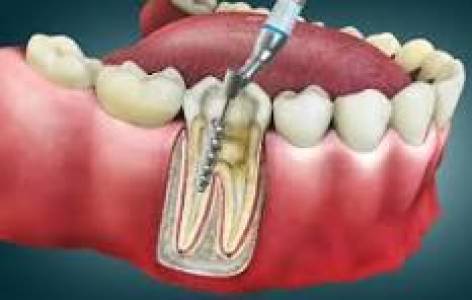
Facing severe tooth pain, persistent sensitivity, or a stubborn infection deep within your tooth? The Root Canal, officially known as endodontic treatment, is a sophisticated and highly effective procedure designed to eliminate bacterial infection from the innermost part of your tooth – the pulp – thereby saving your natural tooth from extraction. It's not just about pain relief; it's about preserving your dental health and maintaining the integrity of your smile.
Key Features & Benefits:
- Exceptional Pain Relief: Effectively removes the source of intense toothache and sensitivity, providing immediate and lasting comfort.
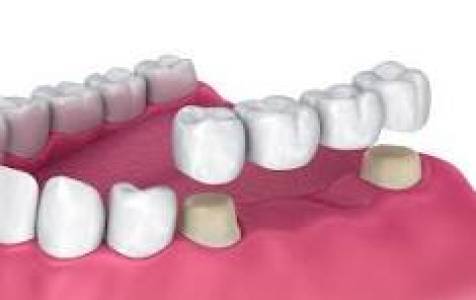
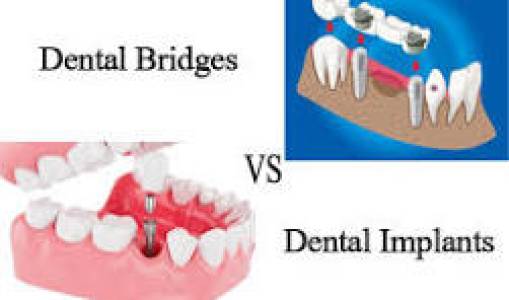
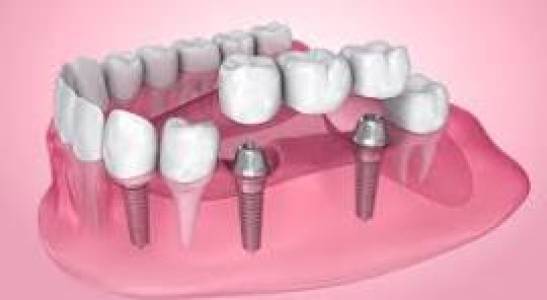
- Tooth Preservation: Saves your natural tooth from extraction, preventing the need for costly and more invasive alternatives like dental implants or bridges.
- Complete Infection Elimination: Thoroughly cleanses and disinfects the entire root canal system, preventing further spread of infection to other teeth or into your bloodstream.
- Restores Chewing Function: Once treated and properly restored, the tooth allows you to chew and speak comfortably, returning to normal oral function.
- Maintains Natural Appearance: Your preserved tooth, especially when protected with a custom-fitted dental crown, will look and function seamlessly with your other teeth.
- Long-Term Solution: With proper oral hygiene and regular dental check-ups, a successfully treated tooth can last a lifetime.
- Comfort-Focused Approach: Modern techniques and local anesthesia ensure the procedure is as comfortable and pain-free as possible.
When You Might Need a Root Canal (Indications):
You may be a candidate for endodontic treatment if you experience any of the following symptoms, which often indicate an inflamed or infected tooth pulp:
- Persistent Tooth Pain: Ranging from mild discomfort to severe, throbbing pain, particularly when chewing, biting, or at night.
- Prolonged Sensitivity: Especially to hot or cold temperatures, even after the stimulus is removed.
- Swelling and Tenderness: In the surrounding gums, face, or neck.
- Pimple-Like Bump (Fistula): On the gums near the affected tooth, indicating an infection trying to drain.
- Tooth Discoloration: Darkening or graying of the tooth.
- Pain Upon Chewing or Biting: Indicative of an inflamed or infected pulp.
- Trauma to the Tooth: Even without immediate symptoms, a past injury can damage the pulp over time.
- Deep Decay: Extensive cavities that have reached the pulp chamber.
The Root Canal Procedure (Simplified Steps):
Our meticulous approach ensures precision, comfort, and the highest chance of success:
- Diagnosis & Anesthesia: We begin with a thorough examination, X-rays, and often pulp vitality tests to confirm the diagnosis. Local anesthesia is administered to numb the affected area, ensuring a completely pain-free experience during the procedure.
- Access Opening: A small opening is carefully made in the crown of the tooth to gain access to the infected pulp chamber and root canals.
- Cleaning & Shaping: Using tiny, flexible instruments (endodontic files), the infected and damaged pulp tissue is meticulously removed from the pulp chamber and root canals. The canals are then cleaned and shaped to create a sterile, uniformly tapered space for filling.
- Disinfection: The canals are thoroughly irrigated with antimicrobial solutions (like sodium hypochlorite) to eliminate bacteria and debris, ensuring complete disinfection.
- Filling & Sealing: The cleaned and shaped canals are then filled with a biocompatible, rubber-like material called gutta-percha, often combined with an adhesive sealer. This step completely fills the root canal system and prevents re-entry of bacteria.
- Temporary Restoration: A temporary filling is placed in the access opening to protect the tooth until your final, permanent restoration can be placed.
Post-Procedure Care & Final Restoration:
After your root canal, it's common to experience some mild sensitivity or discomfort for a few days, which can be effectively managed with over-the-counter pain relievers.
Crucial Next Step: The Permanent Dental Crown To protect the treated tooth from future fracture, especially in posterior teeth which endure significant chewing forces, a dental crown is almost always recommended after a root canal. The crown completely encases the tooth, reinforcing its structure, restoring its shape and aesthetics, and ensuring the long-term success and durability of your root canal treatment. Neglecting the final restoration can lead to tooth fracture and potential loss of the tooth.
Why Choose Endodontic Treatment?
- Save Your Natural Tooth: There is no substitute for the comfort and function of your own natural teeth.
- Avoid Complex Alternatives: Prevent the need for more invasive, time-consuming, and often more expensive solutions like dental implants or multi-unit bridges.
- High Success Rate: With modern techniques and materials, root canal therapy boasts an excellent success rate, preserving millions of teeth annually.
- Improved Quality of Life: Eliminate debilitating pain, allowing you to eat, speak, and smile with confidence again.
Important Considerations & Disclaimer:
A Root Canal is a complex medical procedure and should only be performed by a qualified dental professional or an endodontist (a dental specialist in root canal treatment). Individual results and recovery times may vary. This description is for informational purposes only and does not constitute medical advice. Always consult with your dentist or endodontist to determine the best course of treatment for your specific dental condition.
Don't Let Pain Rule Your Life!
If you're experiencing symptoms of a deep dental infection, schedule a comprehensive consultation with your dentist or an endodontist today. Early intervention can save your tooth, alleviate your discomfort permanently, and prevent further dental complications. Your journey to a pain-free, healthy smile starts here.