Description
The Root Canal Procedure: Save Your Natural Tooth & Restore Comfort
Overview
Persistent toothache, sensitivity to hot or cold, or a swollen gum might indicate a deeper problem within your tooth: an infected or inflamed dental pulp. Left untreated, this can lead to severe pain, abscess formation, and even tooth loss.
Root Canal Therapy (Endodontic Treatment) is a highly effective, modern dental procedure designed to save your natural tooth by removing the infected or damaged pulp, thoroughly cleaning and disinfecting the inner chamber, and then sealing it to prevent further infection. Far from the fearful reputation of the past, contemporary root canal treatments are often as comfortable as a routine filling and are primarily focused on alleviating your pain and preserving your smile.
Key Features & Benefits
- Pain Relief: Eliminates severe toothache caused by infection or inflammation, allowing you to get back to your daily life without discomfort.
- Tooth Preservation: Saves your natural tooth from extraction, maintaining your natural bite, chewing function, and facial structure.
- Infection Eradication: Removes harmful bacteria and diseased tissue from the tooth's interior, preventing the spread of infection to other teeth or into the bloodstream.
- Restored Function: Allows you to chew normally and speak clearly, without the limitations or self-consciousness associated with a missing tooth.
- Aesthetics: Maintains your natural smile by preserving your existing tooth. Often followed by a crown, which further protects the tooth and restores its natural appearance.
- Long-Term Solution: With proper care and a protective restoration (like a crown), a root canal-treated tooth can last a lifetime.
Who Needs Root Canal Therapy? (Indications)
You might be a candidate for root canal therapy if you experience any of the following symptoms:
- Severe toothache upon chewing or application of pressure.
- Prolonged sensitivity to hot or cold temperatures (even after the source of hot or cold has been removed).
- Discoloration (darkening) of the tooth.
- Swelling and tenderness in the surrounding gums.
- A persistent or recurring pimple-like bump on the gums (called a fistula), which indicates draining infection.
- Evidence of internal infection or inflammation on dental X-rays.
- A fractured tooth exposing the pulp.
The Procedure: A Step-by-Step Guide
Root canal therapy is typically performed in one or two appointments, depending on the complexity of the case.
- Diagnosis & Anesthesia: Your dentist will take X-rays and conduct an examination to confirm the diagnosis. Local anesthetic will be administered to numb the affected tooth and surrounding area, ensuring a pain-free procedure.
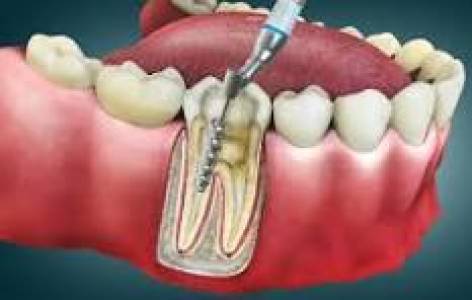
- Access Opening: A small opening is made through the crown of the tooth to access the pulp chamber and root canals.
- Cleaning & Shaping: Tiny, flexible instruments are used to carefully remove the infected or inflamed pulp tissue from the root canals. The canals are then meticulously cleaned, disinfected, and shaped to prepare them for filling.
- Disinfection: The canals are thoroughly flushed with antimicrobial solutions to eliminate any remaining bacteria.
- Obturation (Filling): Once the canals are clean and dry, they are filled and sealed with a biocompatible material, usually a rubber-like compound called gutta-percha, to prevent re-infection.
- Restoration: The access opening in the crown of the tooth is filled with a temporary or permanent filling. In most cases, a dental crown will be recommended and placed in a subsequent appointment to protect the weakened tooth from future fractures and restore its full function and appearance.
What to Expect
Before Your Procedure:
- Consultation: A thorough examination, including X-rays, will determine if a root canal is the appropriate treatment.
- Discussion: Your dentist will explain the procedure, answer any questions, and discuss post-treatment care.
During Your Procedure:
- Comfort: With modern anesthetics and techniques, the procedure is generally comfortable. You may feel some pressure, but no sharp pain.
- Duration: The procedure typically lasts between 60 to 90 minutes, depending on the tooth's complexity and the number of canals.
After Your Procedure:
- Mild Sensitivity: It's normal to experience some mild sensitivity or tenderness for a few days after the procedure, especially while chewing. This can usually be managed with over-the-counter pain relievers.
- Temporary Filling: If you have a temporary filling, avoid chewing hard foods on that tooth until your permanent restoration (crown) is placed.
- Follow-up: A follow-up appointment is crucial for the placement of your permanent crown or restoration to protect the treated tooth.
Care & Maintenance After Your Root Canal
- Maintain Excellent Oral Hygiene: Brush twice a day, floss daily, and use an antiseptic mouthwash to keep your teeth and gums healthy.
- Regular Dental Check-ups: Continue with your routine dental check-ups and cleanings to monitor the health of your treated tooth and overall oral health.
- Avoid Biting Hard Objects: Be cautious when chewing on very hard foods, especially until your permanent crown is placed, to prevent fracturing the treated tooth.
Debunking Common Myths About Root Canals
- Myth 1: Root canals are painful.
- Reality: Modern root canal therapy is designed to relieve pain, not cause it. With effective local anesthesia, the procedure itself is typically comfortable, and discomfort after is usually mild and manageable.
- Myth 2: Root canals cause illness.
- Reality: This myth stems from poorly designed research over a century ago. Extensive scientific research has debunked any link between root canal treatment and other illnesses.
- Myth 3: Extraction is a better option.
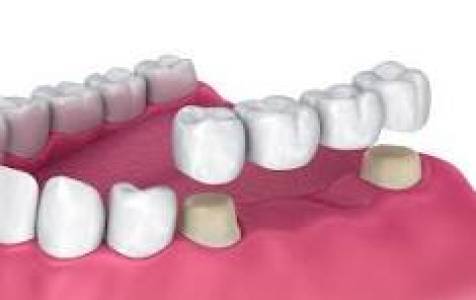
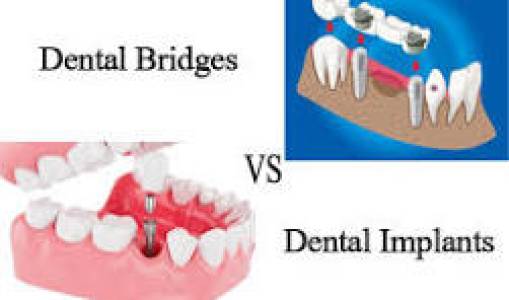
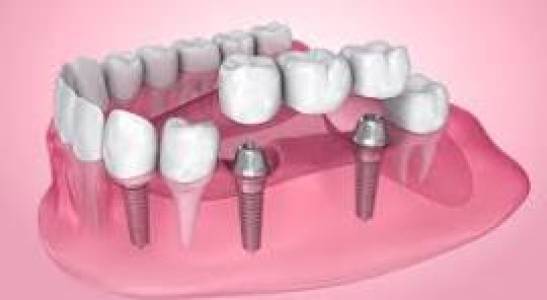
- Reality: Saving your natural tooth with a root canal is almost always the best option. An extracted tooth requires replacement (e.g., bridge, implant) to prevent surrounding teeth from shifting, which can be more costly and complex than a root canal.
Schedule Your Consultation Today!
Don't let tooth pain dictate your life or compromise your oral health. A root canal can be the solution to alleviate your discomfort and save your natural smile.
Contact [Your Clinic Name/Phone Number/Website] today to schedule a comprehensive evaluation and discuss if root canal therapy is the right option for you. Our experienced team is dedicated to providing you with comfortable, effective, and compassionate care.
Disclaimer: This description is for informational purposes only and does not constitute medical advice. Please consult with a qualified dental professional for personalized diagnosis and treatment recommendations.