Description
Here's a detailed product description for a root canal treatment, formatted in Markdown:
Root Canal Treatment: Restore Your Smile, Relieve Your Pain
Save Your Natural Tooth. End Your Discomfort.
Suffering from persistent tooth pain, sensitivity, or a deep infection? A root canal treatment, also known as endodontic therapy, is a highly effective and common dental procedure designed to save a severely damaged or infected tooth rather than extracting it. It's often the last line of defense to preserve your natural smile, alleviate discomfort, and restore your oral health.
✨ Key Benefits of Root Canal Treatment:
- Immediate Pain Relief: Eliminates the source of infection and inflammation, putting an end to excruciating toothache.
- Preserve Your Natural Tooth: Avoids extraction, maintaining your natural bite, chewing efficiency, and smile aesthetics.
- Prevent Further Infection: Stops the spread of bacteria to other teeth, gums, and even into your bloodstream, protecting your overall health.
- Restore Oral Health: Clears the infection, allowing surrounding tissues to heal and preventing bone loss around the affected tooth.
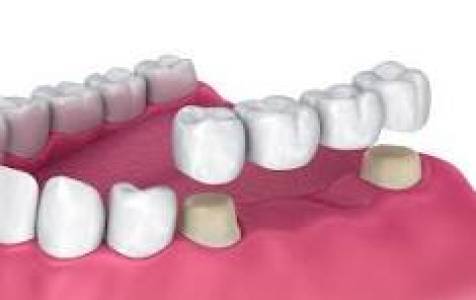
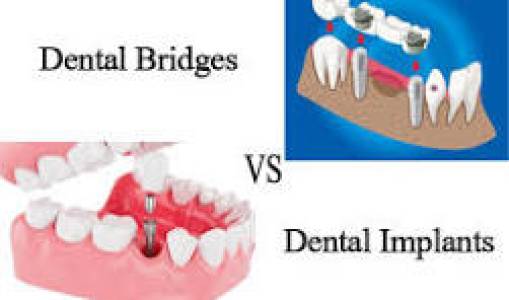
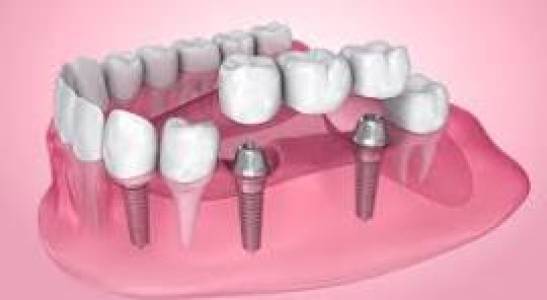
- Cost-Effective Long-Term Solution: Often more economical and less invasive than tooth extraction followed by a bridge or implant for tooth replacement.
- Enhanced Appearance: Once restored with a filling or crown, the treated tooth looks and functions just like your other teeth, seamlessly blending with your natural smile.
🦷 You Might Need a Root Canal If You Experience:
- Severe toothache pain upon chewing or application of pressure.
- Prolonged sensitivity to hot or cold temperatures, even after the source is removed.
- A small, pimple-like bump on the gums near the painful tooth (indicating an abscess).
- Swelling or tenderness in the gums near the infected tooth.
- Discoloration or darkening of the tooth.
- Deep decay or cavities that have reached the pulp.
- A chip or crack in the tooth that exposes the pulp.
- Trauma to the tooth.
- Repeated dental procedures on the same tooth.
🔍 The Root Canal Process: What to Expect
Our modern root canal treatment is a comfortable and efficient procedure, typically completed in one or two appointments. We utilize advanced techniques and local anesthesia to ensure your experience is as painless and stress-free as possible.
- Diagnosis & Anesthesia: We begin with a thorough examination, including digital X-rays, to confirm the diagnosis and plan your treatment. Local anesthesia is administered to completely numb the affected tooth and surrounding area, ensuring you feel no pain during the procedure.
- Isolation: A dental dam (a small sheet of latex or non-latex material) is placed around the tooth to keep it clean, dry, and free from saliva and contaminants during the procedure.
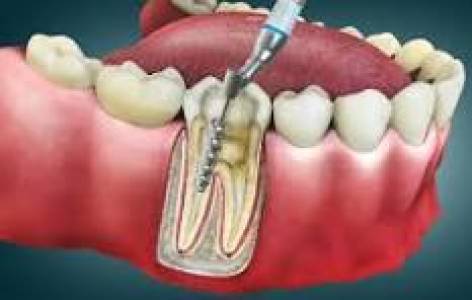
- Access Opening: A small opening is carefully made in the crown of the tooth to gain access to the pulp chamber and root canals.
- Cleaning & Shaping: Using specialized, flexible instruments, the infected or inflamed pulp, nerves, and bacteria are meticulously removed from inside the tooth and root canals. The canals are then thoroughly cleaned, disinfected, and shaped to prepare them for filling.
- Filling & Sealing: The cleaned and shaped canals are filled with a biocompatible, rubber-like material called gutta-percha, which is then sealed with an adhesive cement to prevent reinfection.
- Temporary Restoration: A temporary filling is placed to close the access opening in the tooth, protecting it until your permanent restoration is applied.
- Permanent Restoration (Crown): In most cases, a dental crown is recommended after a root canal to protect the treated tooth from fracture and restore its full strength, function, and aesthetic appearance. This final step usually occurs at a separate appointment.
✅ After Your Root Canal:
- It's normal to experience some mild sensitivity or discomfort for a few days, especially when chewing, as your body heals. This can usually be managed effectively with over-the-counter pain relievers.
- Avoid chewing on the treated tooth until your permanent crown or restoration is placed to prevent fracture or damage.
- Maintain good oral hygiene with regular brushing and flossing.
- Attend your follow-up appointments and have your permanent crown placed promptly to ensure the long-term success of the treatment.
🌟 Why Choose [Your Clinic Name] for Your Root Canal?
- Experienced Endodontic Team: Our dentists are highly skilled and experienced in performing root canal treatments with precision, care, and a focus on patient comfort.
- Advanced Technology: We utilize state-of-the-art equipment, including digital X-rays, rotary endodontics, and apex locators, for accurate diagnosis and efficient, comfortable treatment.
- Patient-Centered Approach: Your comfort and peace of mind are our top priorities. We offer gentle care, explain every step of the process, and are always available to answer your questions.
- Comfortable Environment: We strive to create a relaxing and stress-free atmosphere, helping to alleviate any anxiety you may have about dental procedures.
- Comprehensive Care: From initial diagnosis to the final restoration, we provide complete, seamless care under one roof.
📞 Ready for Relief?
Don't let tooth pain dictate your life. If you're experiencing symptoms of a severe tooth infection, contact us today to schedule a consultation. Our compassionate team will assess your condition, provide an accurate diagnosis, and discuss if root canal treatment is the right solution to save your tooth and restore your comfort.
Call [Your Phone Number] or visit [Your Website] to book your appointment and take the first step towards a pain-free, healthy smile!
Disclaimer: This product description provides general information about root canal treatment. Individual results and experiences may vary. It is essential to consult with a qualified dental professional to receive a proper diagnosis and determine the most appropriate treatment plan for your specific oral health needs.