Description
Here's a detailed product description for a Dental Crown, formatted in Markdown:
🦷 Dental Crown: Your Solution for a Stronger, More Beautiful Smile 🦷
A dental crown is a custom-made, tooth-shaped cap that is placed over a damaged or weakened tooth to restore its shape, size, strength, and appearance. Often referred to as a "cap," it fully encases the visible portion of your tooth, providing a durable and aesthetically pleasing restoration that blends seamlessly with your natural smile.
✨ Key Features & Benefits
Investing in a dental crown offers a multitude of advantages for your oral health and confidence:
- Restores Tooth Strength: Protects weakened teeth from further fracture or damage, especially after large fillings or root canal treatment.
- Enhances Aesthetics: Covers discolored, misshapen, or severely damaged teeth, creating a uniform and natural-looking smile.
- Improves Chewing Function: Restores the tooth's proper biting surface, allowing you to chew and speak comfortably.
- Long-Lasting Durability: Made from robust materials, crowns are designed to withstand daily wear and tear for many years with proper care.
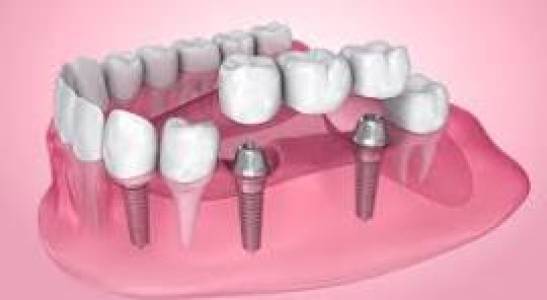
- Protects Dental Implants: Acts as the visible, functional tooth replacement securely attached to a dental implant.
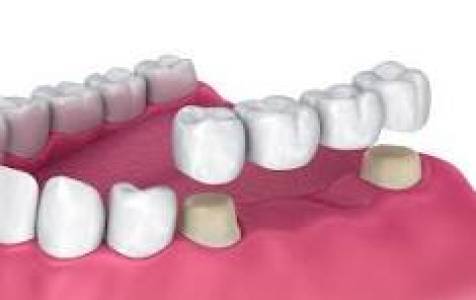
- Supports Dental Bridges: Anchors prosthetic teeth (pontics) in a dental bridge, replacing missing teeth.
- Prevents Tooth Shifting: Maintains proper alignment of surrounding teeth by filling gaps.
- Custom-Made Perfection: Each crown is meticulously crafted to match the color, size, and shape of your existing teeth.
👩⚕️ When You Might Need a Dental Crown
A dental crown is a versatile restorative solution recommended in various situations, including:
- To Protect a Weak Tooth: Preventing a weak tooth from breaking, or holding parts of a cracked tooth together.
- To Restore a Broken Tooth: Restoring a tooth that has already fractured or is severely worn down.
- To Cover and Support a Tooth with a Large Filling: Especially when there isn't much tooth structure left.
- After Root Canal Treatment: To protect the brittle, treated tooth from future fractures.
- To Cover a Dental Implant: Forming the visible part of the new tooth.
- To Hold a Dental Bridge in Place: Serving as the anchor for the bridge.
- To Cover Severely Discolored or Misshapen Teeth: For cosmetic enhancement.
- To Cover a Child's Tooth: To protect a tooth at high risk for decay, or for children who have difficulty maintaining daily oral hygiene.
💎 Types of Dental Crown Materials
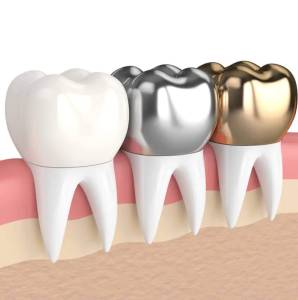
The choice of crown material depends on factors such as location in the mouth, desired aesthetics, durability needs, and budget. Common types include:
Porcelain/Ceramic Crowns
- Description: Made entirely of ceramic material, offering the most natural tooth-like appearance.
- Pros: Excellent aesthetics, ideal for front teeth, metal-free.
- Cons: Can be more brittle than metal or zirconia crowns.
- Best For: Highly aesthetic areas, patients with metal allergies.
Porcelain Fused to Metal (PFM) Crowns
- Description: Consist of a metal substructure for strength, with a porcelain layer fused over it for aesthetics.
- Pros: Good balance of strength and aesthetics, more durable than all-ceramic, generally less expensive than all-ceramic or zirconia.
- Cons: Can sometimes show a dark metal line at the gum line (especially as gums recede), less translucent than all-ceramic.
- Best For: Back teeth where strength is crucial, but some aesthetic is desired; also for bridges.
Zirconia Crowns
- Description: Made from zirconium dioxide, a highly durable ceramic material. Available in various translucencies.
- Pros: Exceptional strength and durability, excellent biocompatibility, good aesthetics (especially with newer translucent zirconia), metal-free.
- Cons: Can be highly opaque (older versions), can cause wear on opposing teeth if not highly polished.
- Best For: Both front and back teeth, patients who grind their teeth, implant restorations.
E-max Crowns (Lithium Disilicate)
- Description: A type of all-ceramic crown known for its outstanding aesthetics and strength.
- Pros: Superior translucency and natural appearance, strong for an all-ceramic option.
- Cons: Not as strong as zirconia for molar applications, can be more expensive.
- Best For: Front teeth, veneers, and premolar crowns where aesthetics are paramount.
Gold Alloys / Metal Crowns (Gold, Palladium, Nickel, Chromium)
- Description: Made entirely of metal alloys.
- Pros: Unmatched strength and durability, excellent biocompatibility, minimal tooth reduction required, very long-lasting, less wear on opposing teeth.
- Cons: Metallic color is highly visible, not aesthetically pleasing for most.
- Best For: Back molars where strength and durability are primary concerns and aesthetics are secondary.
⚙️ The Dental Crown Procedure (Simplified)
Getting a dental crown typically involves two visits to our office:
- First Visit: Preparation & Impression
- The tooth is examined and prepared (reshaped) to make room for the crown.
- An impression (digital scan or putty mold) of your tooth and surrounding teeth is taken.
- A temporary crown is placed to protect your tooth while your custom crown is being fabricated in a dental laboratory.
- Second Visit: Placement & Cementation
- The temporary crown is removed.
- Your new, permanent crown is carefully fitted, adjusted for bite and comfort, and checked for color match.
- Once perfected, the crown is permanently bonded to your tooth using a strong dental cement.
🌟 Care & Maintenance for Your Dental Crown
With proper care, your dental crown can last 10-15 years, or even longer:
- Maintain Excellent Oral Hygiene: Brush twice daily and floss once daily, paying special attention to the gum line around your crowned tooth.
- Regular Dental Check-ups: Continue with routine dental examinations and professional cleanings.
- Avoid Hard & Sticky Foods: Limit chewing on extremely hard candies, ice, or sticky foods that could potentially dislodge or damage the crown.
- Address Bruxism (Teeth Grinding): If you grind or clench your teeth, especially at night, we may recommend a night guard to protect your crown and natural teeth.
📞 Ready to Restore Your Smile?
If you have a damaged, weakened, or aesthetically compromised tooth, a dental crown could be the ideal solution for you. Our experienced team utilizes the latest techniques and highest quality materials to ensure a comfortable experience and beautiful, lasting results.
Contact us today to schedule a consultation and discover how a dental crown can rejuvenate your smile and oral health!
Disclaimer: The information provided here is for general educational purposes only and does not constitute medical advice. A comprehensive examination and consultation with a qualified dental professional are necessary to determine the most appropriate treatment plan for your individual needs.