Description
Okay, this is a fun challenge! Interpreting "dental decay" as a "product" requires a metaphorical approach, describing its characteristics, "benefits" (to bacteria, not humans!), "features," and "how it works."
Here's a detailed product description for "Dental Decay" in Markdown format:
Dental Decay: The Unwanted Intruder
Your Teeth's Most Persistent Adversary
🦷 Product Overview
Introducing Dental Decay, also known as Dental Caries or simply Cavities – a ubiquitous, progressive, and highly effective demineralization system targeting the hard tissues of your teeth. This isn't a product you purchase, but rather a naturally occurring (and often self-induced) process that systematically undermines your oral health, leading to discomfort, functional impairment, and potentially systemic health issues. While invisible in its early stages, its "performance" is undeniably destructive.
✨ Key Features & "How It Works"
Dental Decay operates through a complex, multi-stage mechanism, driven by specific microbial agents:
- Acid Production System: Powered primarily by Streptococcus mutans and Lactobacillus bacteria, this system ferments dietary sugars (carbohydrates) to produce potent organic acids (lactic acid, acetic acid, etc.).
- Enamel Demineralization Matrix: These acids relentlessly attack the crystalline structure of tooth enamel, dissolving vital minerals like calcium and phosphate. This creates microscopic pores and weakens the tooth's outer shield.
- Plaque Biofilm Integration: Dental Decay thrives within dental plaque – a sticky, colorless film of bacteria, food debris, and saliva. Plaque acts as a protective housing for the acid-producing bacteria, keeping them in close contact with tooth surfaces.
- Progressive Penetration Technology: Once enamel is compromised, decay's "reach" extends into the softer, more porous dentin layer, accelerating its progression towards the tooth's nerve (pulp).
- Invisible Activation Phase: In its earliest stages, decay operates silently, often undetectable without professional diagnostic tools. This stealth mode allows it to establish a strong foothold before overt symptoms appear.
- Continuous Operation: Unlike many conditions, dental decay does not self-resolve. Without intervention, its destructive processes continue unabated.
📈 "Performance & Results" (Symptoms & Consequences)
The "results" of Dental Decay are unfortunately tangible and often painful:
- Initial White Spot Lesions: The first visible sign of enamel demineralization, often appearing as a chalky white or brownish spot on the tooth surface.
- Surface Irregularities & Pits: As enamel weakens, small holes or depressions become apparent, indicative of structural compromise.
- Increased Tooth Sensitivity: Exposure of the dentin to hot, cold, sweet, or acidic foods and beverages triggers sharp, often sudden, pain.
- Mild to Severe Toothache: As decay advances towards the pulp, nerve inflammation causes persistent, throbbing, or spontaneous pain.
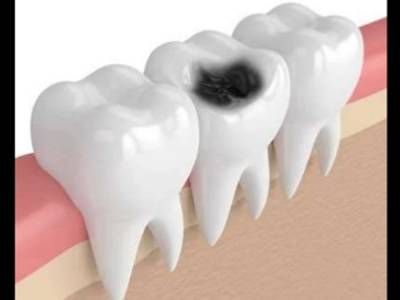
- Visible Cavities/Holes: The hallmark "product" of advanced decay – distinct holes or pits in the tooth structure that can trap food.
- Staining: Cavities may appear brown, black, or grey due to accumulated debris and bacterial pigments.
- Halitosis (Bad Breath): Bacterial activity within cavities contributes to persistent unpleasant breath.
- Pulpitis & Abscess Formation: In its most advanced stage, decay can lead to infection of the tooth's pulp, forming painful abscesses and swelling.
- Tooth Fracture & Loss: Untreated, severe decay can weaken the tooth to the point of fracture or necessitate extraction.
- Systemic Health Implications: Oral infections stemming from decay can have connections to broader health issues like heart disease and diabetes.
🎯 Target Audience (Who's Susceptible?)
Dental Decay is highly democratic – no one with teeth is entirely immune, but certain factors increase "product activation":
- Individuals with poor oral hygiene practices (infrequent brushing/flossing).
- Consumers of high-sugar and acidic diets.
- Those experiencing dry mouth (xerostomia), reducing saliva's protective role.
- Children and the elderly due to varying factors like enamel development or reduced dexterity.
- Individuals with compromised immune systems or certain medical conditions.
- People with poor access to dental care.
- Existing restorations (fillings, crowns) that are old or failing.
🛠️ Prevention & Mitigation (The "Anti-Product" Strategy)
While Dental Decay is persistent, its "effects" can be neutralized and prevented:
- Fluoride Toothpaste (Active Ingredient): Regular use remineralizes enamel and strengthens teeth against acid attacks.
- Daily Flossing/Interdental Cleaning: Removes plaque and food debris from hard-to-reach areas.
- Reduced Sugar & Acidic Food Intake: Minimizes the fuel source for decay-causing bacteria.
- Regular Dental Check-ups & Cleanings: Professional removal of plaque and tartar, early detection, and preventive treatments like fluoride varnishes.
- Dental Sealants: Protective coatings applied to the chewing surfaces of back teeth to prevent food and bacteria from settling in grooves.
- Xylitol Products: Sugar substitute that inhibits the growth of decay-causing bacteria.
🩹 Treatment & Resolution (Professional Intervention)
Should Dental Decay activate, a range of professional "repair services" are available:
- Dental Fillings: For early to moderate decay, removing the affected tooth structure and restoring it with composite resin, amalgam, or other materials.
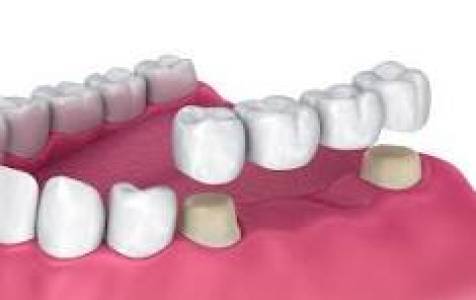
- Dental Crowns: For more extensive decay where significant tooth structure is lost, a cap is placed over the damaged tooth.
- Root Canal Therapy: For decay that has reached the tooth's pulp, removing infected tissue and sealing the tooth.
- Tooth Extraction: As a last resort for severely compromised or infected teeth that cannot be saved.
Disclaimer: This metaphorical "product description" for Dental Decay is intended for informational and educational purposes only. It is not a substitute for professional medical or dental advice. If you suspect you have dental decay or are experiencing any oral health concerns, please consult a qualified dental professional immediately.