Description
Root Canal Therapy: Restore Health, Alleviate Pain, Preserve Your Natural Smile
Introduction
Experiencing persistent tooth pain, sensitivity, or swelling can be distressing and often indicates a serious underlying issue within the tooth. At [Your Clinic Name/Practice Name], we understand your concerns and offer advanced Root Canal Therapy (also known as endodontic treatment) designed to alleviate your discomfort, eliminate infection, and save your natural tooth from extraction.
Root Canal Therapy is a highly effective, routine procedure that can help you maintain your oral health and smile for years to come.
What is Root Canal Therapy?
Root Canal Therapy is a specialized dental procedure that treats infection or inflammation of the tooth's innermost part, called the pulp. The pulp contains nerves, blood vessels, and connective tissue, and extends from the crown of the tooth down to the root tip.
When the pulp becomes infected or damaged due to deep decay, repeated dental procedures, cracks in the tooth, or trauma, it can cause severe pain and lead to an abscess if left untreated. Root Canal Therapy involves:
- Removing the infected or inflamed pulp.
- Cleaning and disinfecting the inside of the tooth.
- Shaping the root canals.
- Filling and sealing the space with a biocompatible material.
- Restoring the tooth to protect it and restore its full function.
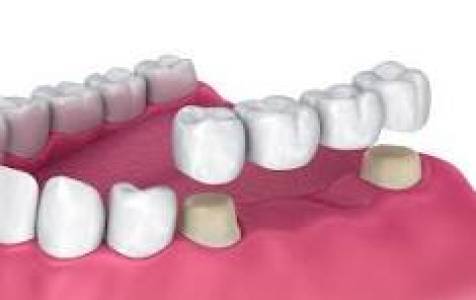
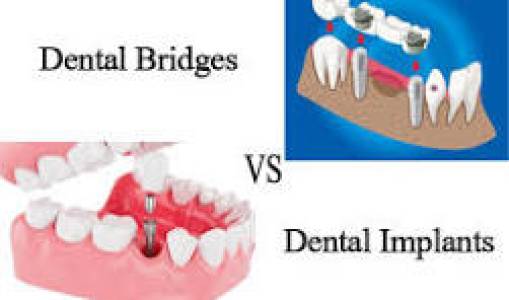
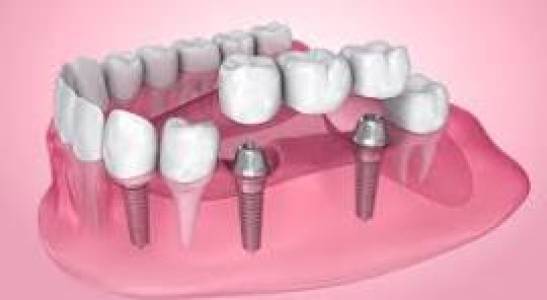
The goal is to save your natural tooth, preventing the need for extraction and the subsequent need for bridges, implants, or removable partial dentures.
When Do You Need Root Canal Therapy? (Indications)
You might need a root canal if you experience one or more of the following symptoms:
- Severe, persistent toothache that may radiate to your jaw, ear, or temple.
- Prolonged sensitivity to hot or cold temperatures, even after the source is removed.
- Tenderness or pain when chewing or applying pressure to the tooth.
- Swelling and tenderness in the surrounding gums.
- A "pimple" like bump on the gums near the affected tooth (a sign of an abscess).
- Discoloration or darkening of the affected tooth.
- Pus drainage from the infected area.
- Visible chips or cracks in the tooth.
- Deep decay that has reached the pulp.
If you are experiencing any of these symptoms, it's crucial to seek prompt dental attention to prevent the infection from spreading and to save your tooth.
Benefits of Root Canal Therapy
Choosing Root Canal Therapy offers numerous advantages:
- Pain Relief: The primary benefit is the immediate and lasting relief from the severe pain caused by infected or inflamed tooth pulp.
- Save Your Natural Tooth: Preserving your natural tooth is always the best option, as it helps maintain your bite, prevents adjacent teeth from shifting, and avoids the need for costly tooth replacement options.
- Prevent Infection Spread: Eliminates the infection, preventing it from spreading to other teeth, gums, or even into the bloodstream.
- Restore Chewing Function: Allows you to continue eating your favorite foods without pain or discomfort.
- Maintain Your Natural Appearance: Helps retain your natural smile and facial structure.
- Cost-Effective: Often a more economical solution in the long run compared to extraction followed by an implant or bridge.
- High Success Rate: With modern techniques, root canal therapy boasts a success rate of over 95%.
Our Root Canal Therapy Process
At [Your Clinic Name/Practice Name], we prioritize your comfort and ensure a precise, efficient, and successful treatment. Here's what you can expect:
- Comprehensive Diagnosis: We begin with a thorough examination, including digital X-rays and potentially 3D imaging (CBCT), to accurately diagnose the extent of the infection and assess the root canal anatomy.
- Anesthesia: Local anesthetic is administered to ensure the entire procedure is pain-free and comfortable. Many patients report that a root canal feels similar to a routine filling.
- Isolation: A dental dam (a thin sheet of latex or non-latex material) is placed around the tooth to keep it dry and clean, protecting it from bacteria in saliva during the procedure.
- Access Opening: A small opening is made in the crown of the tooth to access the pulp chamber and root canals.
- Pulp Removal & Cleaning: Using specialized, fine instruments (often rotary files), the infected or inflamed pulp is carefully removed from the pulp chamber and root canals. The canals are meticulously cleaned and disinfected with antimicrobial solutions.
- Shaping: The root canals are shaped to ensure they can be effectively filled and sealed.
- Filling (Obturation): Once thoroughly cleaned and shaped, the canals are filled with a biocompatible, rubber-like material called gutta-percha, which is sealed with an adhesive cement to prevent re-infection.
- Temporary Restoration: A temporary filling is placed in the access opening to protect the tooth until your final restoration.
- Permanent Restoration: In most cases, a dental crown is recommended after root canal therapy. A crown provides crucial protection to the treated tooth, which can become brittle over time, ensuring its longevity and full function. This final restoration is typically done in a separate appointment.
What to Expect During & After Treatment
- During Treatment: Thanks to local anesthesia, you should feel no pain, only slight pressure or vibrations. Our team will continuously monitor your comfort levels.
- After Treatment: It's normal to experience some mild tenderness or sensitivity for a few days as your body heals. This can typically be managed with over-the-counter pain relievers (like ibuprofen or acetaminophen). We will provide specific post-treatment care instructions.
- Recovery: Avoid chewing on the treated tooth until your permanent restoration (crown) is in place. Maintain good oral hygiene, and attend all follow-up appointments.
Why Choose [Your Clinic Name/Practice Name] for Your Root Canal Therapy?
- Experienced Professionals: Our highly skilled dentists and endodontists have extensive experience in performing root canal therapies with precision and care.
- State-of-the-Art Technology: We utilize advanced diagnostic tools (digital X-rays, CBCT scans) and modern endodontic equipment (rotary instruments, apex locators) to ensure accurate, efficient, and comfortable treatment.
- Patient-Centered Care: Your comfort and well-being are our top priorities. We offer a relaxing environment and take the time to explain every step of the process, answering all your questions.
- Strict Sterilization Protocols: We adhere to the highest standards of sterilization and infection control to ensure your safety.
- Comprehensive Follow-Up: We provide detailed post-treatment instructions and schedule follow-up appointments to monitor your healing and ensure the long-term success of your treatment.
Don't Let Tooth Pain Control Your Life!
If you're experiencing symptoms that suggest you might need Root Canal Therapy, don't delay. Prompt treatment is key to saving your tooth and preventing further complications.
Contact [Your Clinic Name/Practice Name] today at [Phone Number] or [Email Address] to schedule a consultation. Let us help you get out of pain and back to smiling confidently!
Frequently Asked Questions (FAQ)
Is root canal therapy painful?
No. Thanks to modern anesthetics and advanced techniques, root canal therapy is generally no more uncomfortable than a routine filling. The procedure itself is performed under local anesthesia, so you shouldn't feel any pain. The treatment actually relieves the pain caused by the infection.
How long does a root canal procedure take?
A root canal procedure typically takes one to two appointments. A single appointment usually lasts between 60 to 90 minutes, depending on the complexity of the tooth's anatomy and the extent of the infection.
What happens if I don't get a root canal?
If left untreated, an infected tooth will not heal on its own. The infection can spread, leading to severe pain, facial swelling, bone loss, and eventually, the tooth will need to be extracted. An untreated infection can also pose risks to your overall health.
How long will my treated tooth last?
With proper care and a timely final restoration (usually a crown), a tooth treated with root canal therapy can last a lifetime, just like your other natural teeth.
Will I need a crown after a root canal?
In most cases, yes. Root canal therapy removes the pulp, which can make the tooth more brittle over time. A dental crown acts as a protective cap, reinforcing the tooth structure, restoring its strength, and preventing fractures, ensuring its long-term success.
Disclaimer: The information provided in this product description is for educational purposes only and is not intended as a substitute for professional medical or dental advice, diagnosis, or treatment. Always seek the advice of your qualified dental provider with any questions you may have regarding a medical condition or treatment. Individual results may vary.