Description
Here's a detailed product description for Root Canal Treatment, formatted in Markdown:
Root Canal Treatment: Save Your Smile, Eliminate Pain
Is Tooth Pain Affecting Your Life?
Persistent toothache, sensitivity to hot and cold, or swelling around your gums can be signs of a serious dental infection. Don't let the fear of root canal treatment deter you from seeking the relief you deserve. Modern root canal therapy is a highly effective, virtually painless procedure designed to alleviate discomfort, remove infection, and save your natural tooth.
What is Root Canal Treatment?
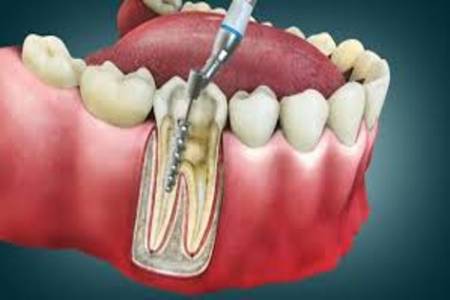
Root canal treatment (also known as endodontic treatment) is a dental procedure that removes infected or damaged pulp from inside your tooth. The pulp is the soft tissue containing nerves, blood vessels, and connective tissue. When this pulp becomes infected or inflamed due to deep decay, trauma, or cracks in the tooth, it can cause severe pain and lead to abscess formation.
During the procedure, the infected pulp is carefully removed, the inside of the tooth is thoroughly cleaned and disinfected, and then filled and sealed to prevent further infection. This treatment allows you to keep your natural tooth, avoiding extraction and maintaining your beautiful smile.
When Do You Need a Root Canal? (Indications)
You might require root canal treatment if you experience any of the following symptoms:
- Persistent Tooth Pain: Ranging from mild to severe, often throbbing or constant.
- Sensitivity to Hot and Cold: Lingering pain after exposure to hot or cold temperatures.
- Tender or Swollen Gums: Around the affected tooth.
- Pimple-like Bumps on the Gums: Indicating an abscess.
- Discoloration of the Tooth: The tooth may darken due to nerve damage.
- Pain When Chewing or Applying Pressure: Especially on the affected tooth.
- Swelling in the Face or Neck: In severe cases of infection.
Key Benefits of Choosing Root Canal Treatment
- Eliminates Pain and Discomfort: The primary goal is to relieve the severe pain caused by infection.
- Saves Your Natural Tooth: Avoids the need for extraction, preserving your natural bite and appearance.
- Prevents Further Infection: Removes bacteria and seals the tooth to prevent recurrence.
- Maintains Oral Health: Keeps surrounding teeth stable and prevents bone loss associated with missing teeth.
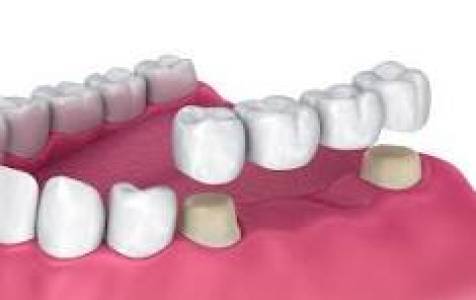
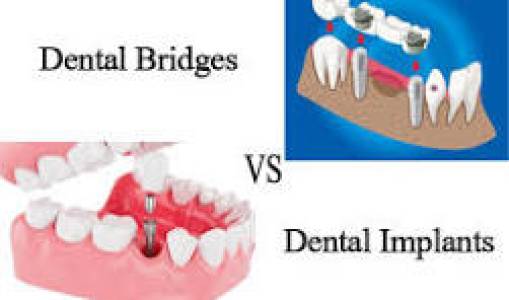
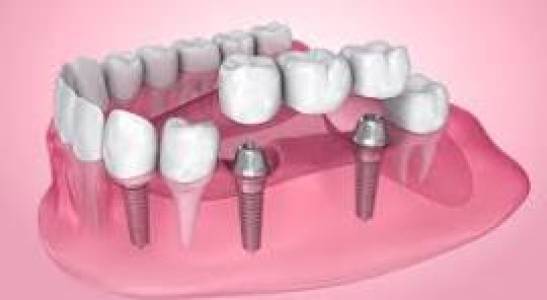
- Cost-Effective in the Long Run: Often more affordable than tooth extraction followed by a bridge or dental implant.
- Restores Chewing Efficiency: Allows you to eat your favorite foods without pain or sensitivity.
- Natural Appearance: After restoration, the treated tooth looks and functions just like your other teeth.
The Root Canal Procedure: Step-by-Step
Our team uses advanced techniques and gentle care to ensure your root canal treatment is as comfortable and efficient as possible.
- Diagnosis & Anesthesia:
- We'll take X-rays and conduct a thorough examination to confirm the diagnosis.
- Local anesthesia is administered to numb the affected tooth and surrounding area, ensuring a pain-free experience.
- Access Opening:
- A small opening is created on the top of the tooth (for molars/premolars) or the back (for front teeth) to access the pulp chamber and root canals.
- Pulp Removal & Cleaning:
- Using specialized instruments (files), the infected or inflamed pulp is carefully removed from the pulp chamber and root canals.
- The canals are then meticulously cleaned, shaped, and disinfected to remove all bacteria and debris.
- Filling & Sealing:
- After thorough cleaning, the empty canals are filled with a biocompatible, rubber-like material called gutta-percha.
- A special adhesive cement is used to seal the canals completely, preventing re-infection.
- Temporary Filling:
- A temporary filling is placed in the access opening to protect the tooth until the final restoration.
- Final Restoration (Crown):
- In most cases, a dental crown is recommended after root canal treatment. This protects the treated tooth from fracture and restores its full strength and function. This final step is usually performed during a subsequent appointment.
What to Expect
- During the Procedure: You will be comfortably numb and should not feel any pain. Many patients report the experience is similar to having a routine filling.
- After the Procedure: It's normal to experience mild sensitivity or discomfort for a few days, especially when chewing. This can be managed with over-the-counter pain relievers.
- Recovery: Most patients resume their normal activities the next day. It's crucial to follow post-treatment instructions, especially concerning temporary restorations and scheduling your final crown.
Post-Treatment Care & Longevity
With proper care, a tooth treated with root canal therapy can last a lifetime.
- Maintain excellent oral hygiene with regular brushing and flossing.
- Attend routine dental check-ups and cleanings.
- Avoid chewing hard foods on the treated tooth until the final crown is placed.
- If a crown is recommended, ensure it is placed promptly to protect the tooth from fracture.
Frequently Asked Questions (FAQs)
- Is root canal treatment painful?
- No. With modern anesthetics and techniques, root canal treatment is designed to relieve pain, not cause it. Most patients experience little to no discomfort during the procedure.
- How long does a root canal take?
- A root canal typically takes one to two appointments, each lasting 60-90 minutes, depending on the tooth's complexity and the severity of the infection.
- How successful is root canal treatment?
- Root canal treatment has a high success rate, often exceeding 95%. When properly restored and maintained, treated teeth can last a lifetime.
- What if I don't get a root canal?
- Ignoring an infected tooth can lead to the spread of infection, severe pain, an abscess, bone loss, and eventually, the need for tooth extraction.
- Do I always need a crown after a root canal?
- In most cases, yes. Root canal treatment can make the tooth more brittle. A dental crown provides essential protection, restoring the tooth's strength and preventing future fractures.
Ready to Find Relief and Save Your Smile?
Don't let dental pain dictate your life. If you're experiencing symptoms of a tooth infection, early diagnosis and treatment are crucial. Contact us today to schedule a consultation and find out if root canal treatment is the right solution for you.
Your comfort and oral health are our top priorities.