Description
Fixed Partial Dentures (FPDs) - Dental Bridges
Restore Your Smile and Function with Confidence
Fixed Partial Dentures (FPDs), commonly known as Dental Bridges, offer a durable and aesthetic solution for replacing one or more missing teeth. Unlike removable dentures, FPDs are permanently cemented into place, providing a stable, natural-feeling restoration that restores chewing ability, improves speech, and enhances your smile.
What are Fixed Partial Dentures?
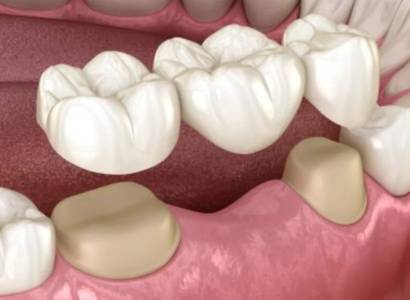
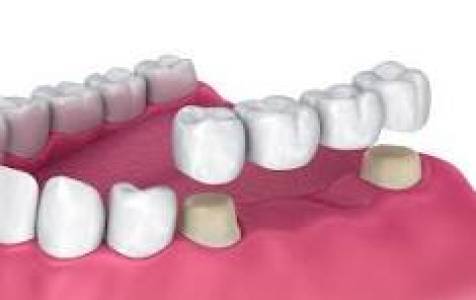
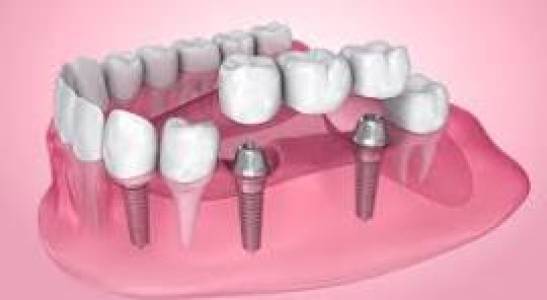
A fixed partial denture is a prosthetic device designed to bridge the gap created by one or more missing teeth. It consists of artificial teeth (called pontics) fused between two or more crowns (called retainers). These retainers are placed on the natural teeth or dental implants adjacent to the gap (known as abutment teeth), effectively anchoring the bridge in place.
- Abutment Teeth: The natural teeth (or implants) on either side of the gap that support the bridge. These teeth are prepared (reduced in size) to accommodate the crowns.
- Retainers (Crowns): The caps that fit over the abutment teeth, providing the primary support for the bridge.
- Pontic(s): The artificial tooth or teeth that replace the missing ones, "bridging" the space.
Key Benefits & Advantages
Choosing a fixed partial denture offers numerous advantages for your oral health and overall well-being:
- Restored Chewing & Speaking: Regain full functionality for comfortable eating and clear pronunciation.
- Enhanced Aesthetics: Fill gaps, prevent shifting of remaining teeth, and restore a natural, beautiful smile.
- Maintained Facial Structure: Prevents the sunken appearance that can result from missing teeth, preserving facial contours.
- Prevention of Tooth Drifting: Stops adjacent teeth from shifting into the empty space, which can lead to bite problems and further tooth loss.
- Prevention of Supra-Eruption: Stops opposing teeth from over-erupting into the space created by the missing tooth.
- Fixed & Stable Solution: No need for removal, offering superior comfort, convenience, and a more natural feel compared to removable dentures.
- Durability & Longevity: With proper care, FPDs can last for many years, often exceeding a decade.
- Relatively Quick Treatment: The treatment process is generally faster than dental implants, requiring fewer appointments.
Types of Fixed Partial Dentures
The choice of bridge type depends on the location of the missing tooth/teeth, the condition of adjacent teeth, and aesthetic considerations:
- Traditional Bridges:
- Description: The most common type, used when there are natural teeth on both sides of the gap. It involves preparing the adjacent teeth to serve as abutments for crowns, with the pontic suspended between them.
- Ideal For: Replacing one or two missing teeth with healthy adjacent abutments.
- Cantilever Bridges:
- Description: Used when there is only one natural tooth available to support the bridge (i.e., abutment teeth only on one side of the gap). The pontic is "cantilevered" or extended from a single supporting crown.
- Considerations: Less common due to increased stress on the single abutment tooth, generally only used for low-stress areas (e.g., front teeth) or specific situations.
- Maryland (Resin-Bonded) Bridges:
- Description: A more conservative option that requires minimal preparation of adjacent teeth. The pontic is held in place by metal or porcelain wings that are bonded to the back surface of the adjacent teeth.
- Ideal For: Replacing a single front tooth, especially in younger patients, or as a temporary solution. It is less strong than traditional bridges.
Materials Used
Fixed Partial Dentures are custom-fabricated in a dental laboratory using high-quality materials to ensure strength, aesthetics, and biocompatibility:
- Porcelain-Fused-to-Metal (PFM):
- Composition: A metal alloy substructure (e.g., gold alloy, base metals) is covered with layers of tooth-colored porcelain.
- Benefits: Excellent strength and durability, good aesthetics, historically a reliable choice.
- Considerations: Can sometimes show a dark line at the gum line over time (metal collar), may appear less translucent than all-ceramic options.
- All-Ceramic (Zirconia, Lithium Disilicate - E-max®):
- Composition: Made entirely of dental ceramic materials, without any metal substructure.
- Benefits: Superior aesthetics with high translucency and natural light reflection, ideal for highly visible areas, biocompatible, no risk of gum line discoloration.
- Types:
- Zirconia: Extremely strong and durable, suitable for posterior (back) teeth and longer spans. Can be monolithic or layered with more aesthetic porcelain.
- Lithium Disilicate (E-max®): Known for its exceptional esthetics and good strength, often preferred for anterior (front) teeth.
- Full Metal/Gold Bridges:
- Composition: Made entirely from high-noble metal alloys, often gold alloys.
- Benefits: Exceptional strength, durability, and biocompatibility; gentle on opposing teeth; requires minimal tooth reduction.
- Considerations: Metallic appearance, typically reserved for posterior teeth where aesthetics are less critical.
The Treatment Process
Receiving a fixed partial denture typically involves two or more dental appointments:
- Consultation & Planning: Your dentist will conduct a thorough examination, including X-rays and potentially 3D scans, to assess your oral health, determine the best type of bridge, and discuss material options.
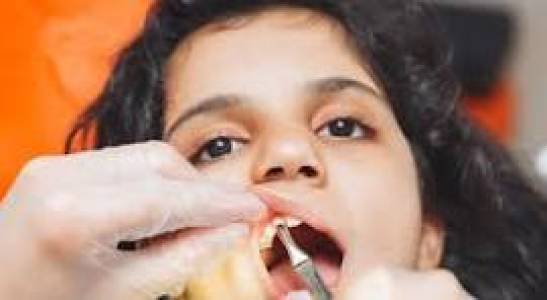
- Tooth Preparation: The abutment teeth are precisely reshaped (reduced) to create space for the crowns. This ensures a proper fit and natural appearance.
- Impressions: Highly accurate impressions (molds) of your prepared teeth and surrounding structures are taken. These impressions are sent to a dental laboratory for custom fabrication of your bridge.
- Temporary Bridge Placement: A temporary bridge made of acrylic is placed over the prepared teeth to protect them, maintain space, and provide aesthetics while your custom bridge is being made.
- Laboratory Fabrication: Skilled dental technicians meticulously craft your permanent bridge according to your dentist's specifications and the provided impressions. This process usually takes 1-2 weeks.
- Try-in & Cementation: Once the permanent bridge is ready, you'll return for your final appointment. The dentist will try in the bridge to ensure a perfect fit, bite, and aesthetic match. Any minor adjustments are made before the bridge is permanently cemented onto your abutment teeth.
Ideal Candidates
Fixed partial dentures are an excellent option for individuals who:
- Have one or more missing teeth.
- Possess healthy natural teeth adjacent to the gap that can serve as strong abutments.
- Maintain good overall oral hygiene.
- Prefer a fixed, non-removable solution for tooth replacement.
- Are looking for a durable and aesthetic restoration.
Care & Maintenance
To maximize the longevity of your fixed partial denture and maintain optimal oral health:
- Brush Twice Daily: Use a soft-bristled toothbrush and fluoride toothpaste.
- Floss Daily: Pay special attention to cleaning under the pontic and around the abutment teeth. Your dentist may recommend specialized tools like a floss threader, interdental brush, or water flosser.
- Regular Dental Check-ups: Visit your dentist for routine examinations and professional cleanings every six months.
- Avoid Hard/Sticky Foods: While durable, excessive force on the bridge can damage it or the underlying teeth.
- Protect Your Bridge: If you grind your teeth (bruxism), your dentist may recommend a nightguard to protect your bridge and natural teeth.
Longevity
With diligent oral hygiene and regular dental check-ups, fixed partial dentures can last anywhere from 5 to 15 years or even longer. Factors influencing longevity include the materials used, the strength of the abutment teeth, biting forces, and overall oral health.
Important Considerations
- Tooth Preparation: Abutment teeth must be prepared, meaning a small amount of enamel is removed. This makes the process irreversible for the abutment teeth.
- Abutment Health: The long-term success of an FPD heavily relies on the health and strength of the supporting abutment teeth.
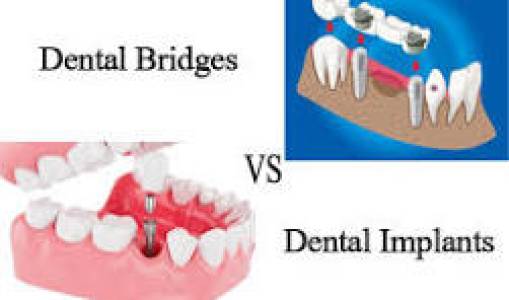
- Alternative Options: Discuss other tooth replacement options with your dentist, such as dental implants (which do not require modifying adjacent teeth) or removable partial dentures, to determine the best solution for your individual needs.
Consult with your dentist today to determine if a Fixed Partial Denture is the right solution to restore your smile and oral function!