Description
Crown & Bridge Restorations: Comprehensive Solutions for Dental Health & Aesthetics
Overview
Crown and bridge restorations are foundational in restorative and cosmetic dentistry, offering durable and aesthetic solutions for damaged or missing teeth. As fixed prosthetic devices, they are custom-made to seamlessly integrate with a patient's natural dentition, restoring full function, comfort, and a confident smile.
A dental crown (often called a cap) is a custom-fabricated cover that encapsulates the entire visible portion of a tooth above the gum line. It's designed to strengthen a weakened tooth, restore its shape, size, and appearance, and improve its function.
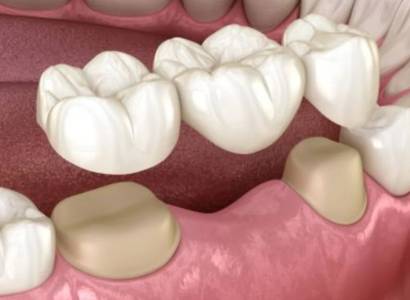
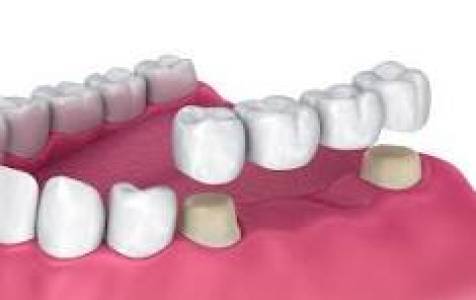
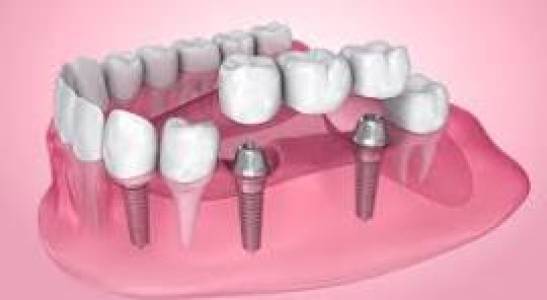
A dental bridge is a fixed prosthetic used to replace one or more missing teeth. It "bridges" the gap created by missing teeth, typically by anchoring to natural teeth or dental implants on either side of the gap, known as abutment teeth. The replacement teeth, called pontics, are suspended between the abutments.
Key Features & Benefits
- Exceptional Durability: Crafted from high-strength materials, our crowns and bridges are designed to withstand daily chewing forces and provide long-lasting results.
- Natural Aesthetics: Meticulously matched to the shade, shape, and translucency of surrounding natural teeth, ensuring an undetectable and beautiful restoration.
- Precise Fit & Comfort: Custom-milled using advanced CAD/CAM technology or traditional casting methods for an accurate fit that prevents food impaction and ensures optimal bite alignment.
- Biocompatible Materials: Utilizing materials known for their compatibility with oral tissues, minimizing the risk of allergic reactions or sensitivity.
- Restored Functionality: Re-establishes full chewing ability, improves speech, and maintains proper occlusion (bite).
- Prevents Tooth Shifting: Bridges prevent adjacent teeth from drifting into the gap left by missing teeth, maintaining overall dental arch integrity.
- Improved Oral Health: Protects compromised teeth from further damage (crowns) and distributes bite forces evenly across the dental arch (bridges).
Indications for Use
Dental Crowns:
- Severely decayed teeth where insufficient tooth structure remains for a filling.
- Fractured or broken teeth to prevent further breakage.
- After root canal therapy to protect and strengthen the treated tooth.
- Large fillings that have failed or compromised tooth integrity.
- Cosmetic enhancement to improve the shape, color, or alignment of a tooth.
- To cover a dental implant as the final restoration.
- To anchor a dental bridge.
Dental Bridges:
- Replacement of one or more missing teeth.
- To maintain facial structure and prevent changes in appearance due to missing teeth.
- To restore proper chewing and speaking ability.
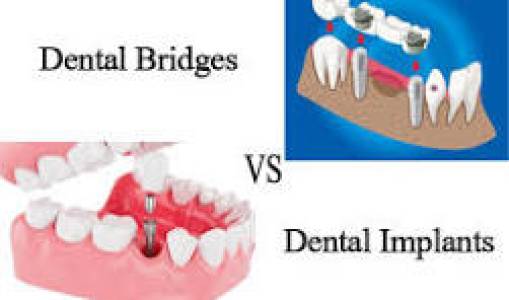
- When dental implants are not an option due to bone density issues, medical conditions, or patient preference.
Available Material Options
We offer a diverse range of high-quality materials to meet varying clinical needs, aesthetic demands, and budget considerations:
- Porcelain-Fused-to-Metal (PFM):
- Description: A metal substructure for strength, layered with tooth-colored porcelain for aesthetics.
- Benefits: Excellent strength, good aesthetics, traditional and proven solution, cost-effective.
- Ideal for: Posterior teeth requiring high strength, anterior teeth where some opacity is acceptable.
- Full Ceramic (All-Ceramic):
- Zirconia (Full Contour & Layered):
- Description: Extremely strong, biocompatible ceramic. Can be monolithic (full contour) for maximum strength or layered with porcelain for enhanced aesthetics.
- Benefits: Exceptional strength, superior aesthetics (especially layered), metal-free, translucent properties mimicking natural enamel.
- Ideal for: Anterior and posterior crowns and bridges, implant restorations, patients with metal allergies.
- E-max (Lithium Disilicate):
- Description: High-strength glass ceramic with outstanding translucency and aesthetic properties.
- Benefits: Superb natural appearance, excellent bond strength, less abrasive to opposing dentition.
- Ideal for: Anterior crowns, veneers, inlays/onlays, limited span anterior bridges.
- Feldspathic Porcelain:
- Description: Traditional porcelain, direct application.
- Benefits: Very high aesthetics, custom characterization possible.
- Ideal for: Veneers, highly aesthetic anterior crowns where strength is less critical.
- Full Cast Metal:
- Description: Made entirely from high-noble (gold alloy) or base metal alloys.
- Benefits: Unmatched strength, high wear resistance, minimal tooth reduction required, excellent longevity.
- Ideal for: Posterior teeth where aesthetics are not the primary concern, patients with parafunctional habits (bruxism).
The Fabrication & Placement Process (Simplified)
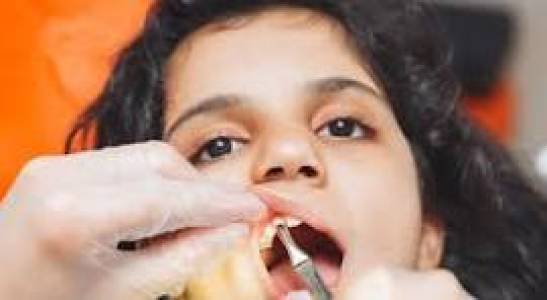
- Diagnosis & Treatment Planning: Comprehensive examination, X-rays, and discussion of patient needs and material options.
- Tooth Preparation: The affected tooth (or abutment teeth for a bridge) is carefully shaped to accommodate the crown or bridge.
- Impression/Digital Scan: A precise impression of the prepared teeth and opposing arch is taken, or a digital scan is performed.
- Temporary Restoration: A temporary crown or bridge is placed to protect the prepared tooth/teeth while the permanent restoration is being fabricated in our lab.
- Laboratory Fabrication: Using the impression/scan, our skilled technicians meticulously design and craft the custom crown or bridge with chosen materials.
- Final Cementation: Once complete, the temporary is removed, and the permanent crown or bridge is tried in, adjusted for fit and bite, and permanently cemented or bonded into place.
Maintenance & Longevity
With proper care, crown and bridge restorations can last for many years, often exceeding a decade. Key maintenance practices include:
- Diligent Oral Hygiene: Brushing twice daily with fluoride toothpaste and flossing regularly, paying special attention to the margins of the crown/bridge and the areas underneath a bridge pontic.
- Regular Dental Check-ups: Routine visits allow for professional cleaning, examination of the restoration, and early detection of any issues.
- Avoid Damaging Habits: Refrain from chewing on hard objects (ice, hard candies), biting fingernails, or using teeth as tools.
- Nightguard (if indicated): For patients with bruxism (teeth grinding/clenching), a custom nightguard can protect restorations from excessive wear.
Why Partner with Us for Your Crown & Bridge Needs?
- Expert Craftsmanship: Our dental technicians possess extensive experience and an artistic eye, ensuring every restoration is a masterpiece of form and function.
- Advanced Technology: We leverage cutting-edge CAD/CAM systems, digital impression capabilities, and precision manufacturing techniques for superior accuracy.
- Premium Materials: We source only the highest quality, clinically proven materials for exceptional strength, aesthetics, and biocompatibility.
- Dedicated Support: Our team provides comprehensive support, from treatment planning assistance to timely delivery and post-placement guidance.
- Commitment to Excellence: We are dedicated to delivering restorations that not only meet but exceed the expectations of both practitioners and patients.
Ready to provide your patients with restorations that blend seamlessly with nature and stand the test of time?
Contact us today to discuss your specific crown and bridge requirements or to place an order. Let us be your trusted partner in delivering exceptional dental care.
Disclaimer: This product description is for informational purposes only and does not constitute medical advice. Treatment decisions regarding crown and bridge restorations should always be made in consultation with a qualified dental professional after a thorough examination and diagnosis.