Description
Here's a detailed product description for Root Canal Treatment (RCT), formatted in Markdown:
Root Canal Treatment (RCT): Save Your Natural Tooth & Relieve Pain
What is a Root Canal Treatment (RCT)?
A Root Canal Treatment (RCT) is a highly effective dental procedure designed to save a tooth that has been severely damaged due to deep decay, infection, or trauma. Often misunderstood, an RCT is a common and usually comfortable treatment that can prevent tooth loss, relieve excruciating pain, and restore your tooth's health and function.
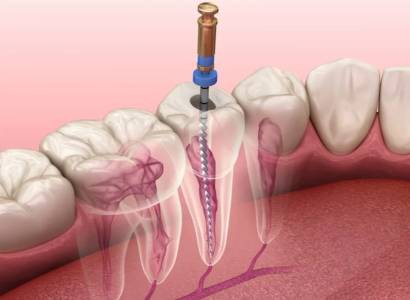
During an RCT, the infected or inflamed pulp (the soft tissue inside your tooth containing nerves, blood vessels, and connective tissue) is carefully removed. The inside of the tooth is then thoroughly cleaned, disinfected, shaped, and filled with a biocompatible material called gutta-percha. Finally, the tooth is sealed and often restored with a crown to protect it from future damage and restore its natural appearance.
Key Benefits of Choosing RCT:
- Pain Relief: Eliminates the severe pain caused by infected or inflamed tooth pulp.
- Saves Your Natural Tooth: Prevents the need for tooth extraction, preserving your natural dentition.
- Prevents Infection Spread: Stops the spread of infection to adjacent teeth, gums, and other parts of the body.
- Restores Oral Health: Removes diseased tissue, allowing the tooth and surrounding tissues to heal.
- Maintains Bite and Alignment: Keeps your natural tooth in place, preventing shifting of adjacent teeth and preserving your bite.
- Long-Lasting Solution: With proper care and a final restoration (like a crown), a root canal-treated tooth can last a lifetime.
- Natural Appearance: A final crown can restore the tooth's original look and feel.
When is a Root Canal Treatment Recommended?
You might need a root canal if you experience any of the following symptoms or conditions:
- Severe Toothache: Persistent and throbbing pain, especially when chewing or applying pressure.
- Prolonged Sensitivity: Extreme sensitivity to hot or cold temperatures that lingers even after the source is removed.
- Gum Swelling: A pimple-like bump (abscess) on the gums near the affected tooth, or general swelling and tenderness.
- Tooth Discoloration: Darkening of the tooth, indicating nerve damage.
- Tenderness/Swelling in Gums: Swelling around the affected tooth.
- Deep Decay or Injury: A cracked or chipped tooth that exposes the pulp, or very deep cavities that reach the pulp.
The Root Canal Treatment Process:
The RCT procedure is typically performed in one or two appointments, depending on the tooth's condition and the complexity of the case.
- Diagnosis & Anesthesia:
- Your dentist will examine your tooth, take X-rays, and assess your symptoms to confirm the need for an RCT.
- Local anesthesia is administered to completely numb the tooth and surrounding area, ensuring a pain-free experience.
- Isolation & Access:
- A rubber dam (a thin sheet of latex or non-latex material) is placed around the tooth to isolate it, keeping it dry and free from saliva during the procedure.
- A small opening is created in the crown of the tooth to access the pulp chamber and root canals.
- Cleaning & Shaping:
- Tiny instruments are used to carefully remove the infected or inflamed pulp from the pulp chamber and root canals.
- The canals are then meticulously cleaned, disinfected, and shaped to prepare them for filling.
- Filling & Sealing (Obturation):
- Once cleaned and shaped, the canals are filled with a biocompatible, rubber-like material called gutta-percha, often combined with a dental sealer.
- This material completely fills and seals the canals to prevent future bacterial contamination.
- Temporary Restoration:
- A temporary filling is placed in the access opening to protect the tooth until the permanent restoration can be placed.
- Final Restoration (Crown):
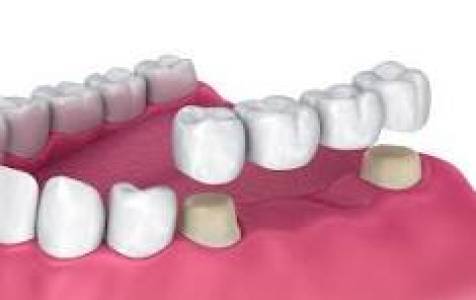
- In a subsequent appointment, the temporary filling is removed, and the tooth is fully restored. This often involves placing a custom-made crown or a permanent filling to protect the tooth from fractures, restore its strength, and return it to full function and natural appearance.
Post-Treatment Care & What to Expect:
- Mild Discomfort: It's normal to experience some mild tenderness or sensitivity for a few days after the procedure, especially when chewing. This can usually be managed with over-the-counter pain relievers.
- Avoid Chewing: Avoid chewing on the treated tooth until the permanent crown or filling is placed to prevent damage.
- Good Oral Hygiene: Continue brushing and flossing regularly.
- Follow-Up: Attend your follow-up appointment to have your permanent restoration placed. This is crucial for the long-term success of the treatment.
Why Choose [Your Clinic Name] for Your RCT?
At [Your Clinic Name], we prioritize your comfort and oral health. Our experienced dental team utilizes:
- Advanced Technology: State-of-the-art diagnostic tools and specialized instruments (like rotary files and digital X-rays) for precise and efficient treatment.
- Gentle Techniques: We employ modern anesthetic methods and a compassionate approach to ensure your procedure is as pain-free and comfortable as possible.
- Experienced Professionals: Our dentists are highly trained and skilled in performing root canal treatments, dedicated to achieving excellent outcomes.
- Patient-Centered Care: We take the time to explain every step, answer your questions, and ensure you feel confident and informed throughout your treatment journey.
- Sterilization Excellence: We adhere to the highest standards of sterilization and infection control for your safety.
Don't Let Tooth Pain Control Your Life!
If you're experiencing severe tooth pain or believe you might need a root canal, don't delay. Contact [Your Clinic Name] today to schedule a consultation. Our team is ready to help you find relief, save your tooth, and restore your healthy smile.
Call us at [Your Phone Number] or visit our website at [Your Website] to book an appointment.
Disclaimer: This product description provides general information about Root Canal Treatment (RCT). It is not a substitute for professional medical advice, diagnosis, or treatment. Always seek the advice of a qualified dental professional regarding any dental concerns or before making any decisions about your oral health. Individual results may vary.