SPACE MAINTAUNERS

      Description


      Here's a detailed product description for Space Maintainers, formatted in Markdown:

      Preserving Perfect Smiles: Essential Space Maintainers for Your Child's Dental Health

      Is Your Child's Future Smile Protected?

      When a child loses a primary (baby) tooth prematurely due to decay, injury, or extraction, it can trigger a domino effect that impacts their developing permanent dentition. Without proper intervention, adjacent teeth can drift or tip into the empty space, blocking the path for the permanent tooth meant to erupt there. This can lead to crowding, impaction, and complex orthodontic problems later in life.

      Space Maintainers are your child's proactive solution. These custom-designed dental appliances are crucial for preserving the natural space needed for permanent teeth to erupt correctly, ensuring a healthier, straighter smile in the future.

      What are Space Maintainers?

      Space Maintainers are small, discreet, and custom-fitted orthodontic devices designed to hold open the space left by a prematurely lost baby tooth. They act as placeholders, preventing adjacent teeth from shifting and ensuring that the underlying permanent tooth has a clear path to erupt into its correct position.

      Why are Space Maintainers Essential for Your Child?

      1. Prevents Costly Future Orthodontic Problems:

      By holding open the natural space, space maintainers prevent or minimize the need for extensive and expensive orthodontic treatment (like braces) later on to correct crowding or misalignment. It's a preventive measure that saves time, money, and discomfort in the long run.

      2. Ensures Proper Permanent Tooth Eruption:

      They guide the permanent tooth into its correct position, reducing the risk of impaction (where a tooth gets "stuck" under the gum) or eruption into an abnormal spot.

      3. Maintains Chewing and Speech Function:

      Premature tooth loss can affect a child's ability to chew properly and may even temporarily impact speech development. A space maintainer helps restore these functions.

      4. Promotes Overall Oral Health:

      A well-aligned bite is easier to clean, reducing the risk of cavities and gum disease in the permanent teeth.

      5. Custom-Made for Comfort and Effectiveness:

      Each space maintainer is custom-fabricated to fit your child's unique oral anatomy, ensuring maximum comfort and optimal functionality.

      Types of Space Maintainers

      Space maintainers are primarily categorized into two main types:

      • Fixed Space Maintainers: These are cemented onto the teeth and remain in place until the permanent tooth erupts or they are no longer needed. They are highly effective and require no compliance from the child.
        • Band-and-Loop: The most common type, consisting of a stainless steel band cemented to a molar and a wire loop extending into the space of the missing tooth.
        • Lingual Arch: Used when multiple lower front teeth are lost, this consists of bands on molars connected by a wire that runs along the inside (lingual) surface of the lower front teeth.
        • Nance Appliance (Palatal Arch): Similar to a lingual arch but used for the upper jaw, featuring a button on the roof of the mouth.
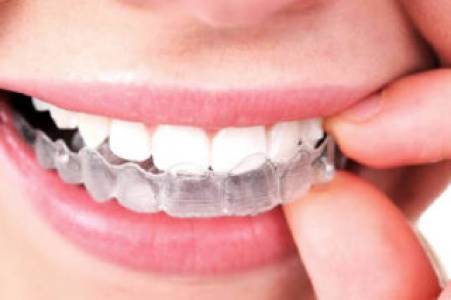
      • Removable Space Maintainers: Resembling retainers, these typically have acrylic bases and plastic or wire components to hold spaces. They are less common for simple space maintenance and are often used when a child is capable of wearing and caring for a removable appliance, sometimes incorporating an artificial tooth.

      Who Needs a Space Maintainer?

      A child typically needs a space maintainer if they have:

      • Lost a primary (baby) tooth too early due to:
        • Extensive decay requiring extraction.
        • Trauma or injury that knocked out a tooth.
        • A congenital condition leading to early tooth loss.
      • A gap where a permanent tooth is not yet ready to erupt.
      • A healthy permanent tooth developing underneath the missing primary tooth that needs guidance.

      Your pediatric dentist will perform a thorough examination, including X-rays, to determine if a space maintainer is the right solution for your child's specific situation.

      Care and Maintenance

      Proper care ensures the space maintainer functions effectively and lasts until it's time for removal:

      • Excellent Oral Hygiene: Encourage regular brushing and flossing around the space maintainer and all teeth to prevent plaque buildup and cavities.
      • Dietary Awareness: Avoid sticky, chewy foods (like gum, caramels, taffy) that can pull off the maintainer or get stuck in it. Also, limit hard foods (like hard candy or ice) that could bend or break the wire.
      • Avoid Habits: Discourage thumb-sucking, finger-sucking, or pushing on the appliance with the tongue, as these habits can damage or dislodge the maintainer.
      • Regular Dental Check-ups: Ensure your child attends all scheduled dental appointments so the dentist can monitor the maintainer's integrity, check for permanent tooth eruption, and maintain overall oral health.
      • Contact Your Dentist: If the space maintainer becomes loose, bent, or broken, or if your child experiences any discomfort, contact your dentist immediately.

      Invest in Your Child's Future Smile Today!

      A space maintainer is a small but mighty investment in your child's long-term oral health and confidence. By taking this proactive step, you're helping to lay the foundation for a lifetime of healthy, beautiful smiles.

      Don't leave your child's dental future to chance. If your child has lost a primary tooth prematurely, schedule a consultation with your pediatric dentist to discuss whether a space maintainer is the right choice for them.

      Tags: SPACE MAINTAUNERS