Description
Root Canal Treatment: Preserve Your Natural Smile, Eliminate Pain
Overview
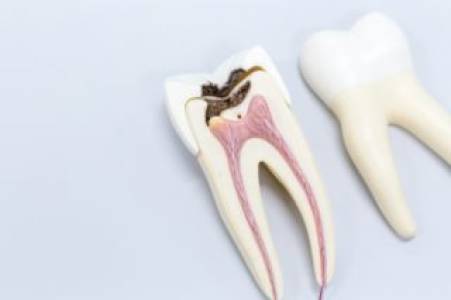
Experiencing severe toothache, prolonged sensitivity to hot or cold, or persistent swelling around a tooth? These could be signs of an infected or inflamed dental pulp – the soft tissue inside your tooth containing nerves and blood vessels. Root Canal Treatment (RCT), also known as endodontic treatment, is a highly effective procedure designed to save a tooth that might otherwise need to be extracted, preventing the need for costly and complex replacements.
Far from outdated stereotypes, modern root canal therapy is a comfortable, routine procedure performed with advanced techniques and local anesthesia, focused on relieving your pain and preserving your natural tooth.
Key Benefits of Root Canal Treatment
- Pain Relief: The primary benefit is eliminating the excruciating pain caused by an infected or inflamed pulp.
- Tooth Preservation: Saves your natural tooth, preventing the need for extraction and maintaining your natural bite.
- Maintains Natural Appearance: Keeps your smile intact, avoiding gaps or the need for artificial teeth.
- Prevents Further Infection: Removes bacteria and infected tissue, stopping the spread of infection to adjacent teeth or other parts of your body.
- Restores Function: Allows you to chew and speak normally without discomfort, restoring full oral function.
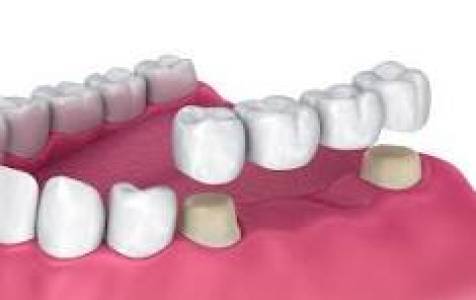
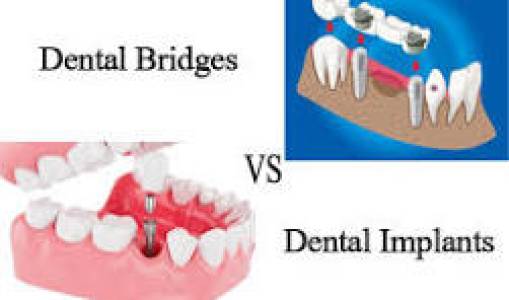
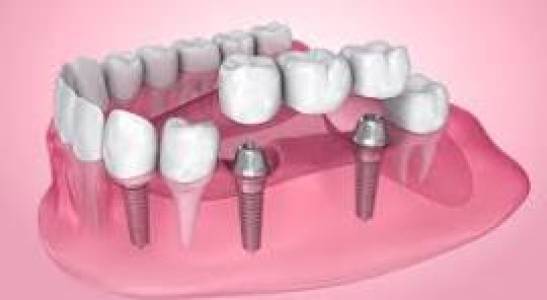
- Cost-Effective: Often more economical in the long run compared to extracting a tooth and replacing it with a dental implant or bridge.
When is Root Canal Treatment Recommended?
You may need a root canal if you experience:
- Severe Toothache: Especially when chewing or applying pressure.
- Prolonged Sensitivity: To hot or cold temperatures, even after the source is removed.
- Swelling or Tenderness: In the surrounding gums or face.
- Pimple-like Bumps (Fistula): On the gums near the infected tooth, indicating an abscess.
- Deep Decay: That has reached the pulp chamber.
- Chipped or Cracked Tooth: Leading to pulp exposure.
- Darkening of the Tooth: Indicating nerve damage or necrosis.
The Root Canal Procedure: What to Expect
The procedure is typically completed in one or two visits, depending on the severity of the infection and the tooth's condition.
- Diagnosis and Anesthesia: We begin with a thorough examination, including X-rays, to assess the infection. Local anesthesia is then administered to numb the tooth and surrounding area, ensuring a pain-free experience.
- Access Opening: A small opening is made on the crown of the tooth to access the pulp chamber and root canals.
- Cleaning and Shaping: The infected or inflamed pulp is carefully removed from the pulp chamber and root canals using specialized instruments. The canals are then cleaned, disinfected, and shaped to prepare them for filling.
- Filling and Sealing: Once the canals are thoroughly cleaned and dried, they are filled with a biocompatible, rubber-like material called gutta-percha, along with an adhesive sealer, to prevent re-infection.
- Restoration: A temporary filling is placed to seal the access opening. In most cases, a permanent crown or filling is required after a root canal to protect the treated tooth from future fracture and restore its full function and appearance. This final restoration is crucial for the long-term success of the treatment.
What to Expect Before, During, and After
- Before: A detailed consultation to discuss your symptoms, treatment options, and answer any questions. X-rays will be taken.
- During: With modern anesthesia, the procedure is generally comfortable. You may feel some pressure, but no sharp pain.
- After: It's normal to experience mild soreness or sensitivity for a few days, which can be managed with over-the-counter pain relievers. Follow all post-operative instructions carefully, especially regarding the temporary filling and scheduling your permanent restoration.
Why Choose Us for Your Root Canal Treatment?
At [Your Clinic Name], we combine advanced technology with a gentle touch to provide exceptional endodontic care. Our experienced endodontists and dental team are dedicated to ensuring your comfort throughout the process, utilizing state-of-the-art equipment and techniques to deliver predictable and lasting results. We prioritize open communication, making sure you understand every step of your treatment plan.
Aftercare & Longevity
- Post-Treatment Care: Maintain excellent oral hygiene, avoid chewing hard foods on the treated tooth until your permanent restoration is placed, and attend all follow-up appointments.
- Long-Term Success: With proper care, a restored tooth that has undergone root canal treatment can last a lifetime. Regular dental check-ups and cleanings are essential to monitor its health.
Schedule Your Consultation
Don't let dental pain dictate your life or compromise your oral health. If you suspect you may need a root canal, early diagnosis and treatment can make a significant difference.
Contact us today to schedule a comprehensive evaluation and discuss if root canal treatment is the right solution for you.
[Phone Number] | [Website] | [Email Address] | [Clinic Address]
Important Considerations: Individual results may vary. It is crucial to consult with our dental professionals to determine the most appropriate treatment plan for your specific condition. This information is for general purposes only and does not constitute medical advice.