Description
Here's a detailed product description for Root Canal Treatment, formatted in Markdown:
Save Your Smile, Eliminate Pain: Comprehensive Root Canal Treatment
Experiencing persistent tooth pain, sensitivity, or swelling? Don't let dental discomfort dictate your life. Our gentle and effective Root Canal Treatment (RCT) is a highly successful procedure designed to alleviate pain, save your natural tooth, and restore your oral health.
Often misunderstood, modern root canal therapy is far from the painful procedure of the past. With advanced techniques and anesthesia, it's typically no more uncomfortable than a routine filling.
What is Root Canal Treatment?
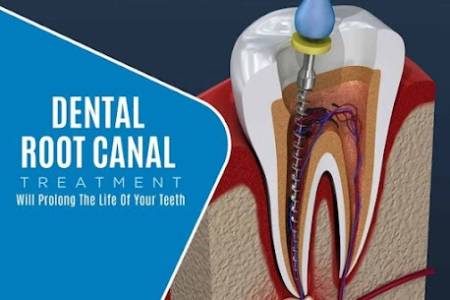
Root Canal Treatment is a specialized dental procedure that addresses deep infection or inflammation within the pulp (the soft tissue inside your tooth containing nerves, blood vessels, and connective tissue). When the pulp becomes infected or damaged due to deep decay, repeated dental procedures, a crack or chip in the tooth, or trauma, it can lead to severe pain, abscess formation, and eventual tooth loss if left untreated.
RCT involves carefully removing the infected or damaged pulp, cleaning and disinfecting the inside of the tooth, and then filling and sealing it to prevent further infection. This process allows you to keep your natural tooth, maintaining your bite and smile.
Key Benefits of Root Canal Treatment:
- Eliminates Pain: Effectively relieves the intense pain caused by an infected or inflamed tooth pulp.
- Saves Your Natural Tooth: Prevents the need for extraction, preserving your natural bite, chewing function, and facial aesthetics.
- Prevents Spread of Infection: Removes bacteria and infected tissue, stopping the infection from spreading to surrounding teeth or other parts of your body.
- Restores Chewing Function: Once treated and restored (often with a crown), the tooth can function normally without pain.
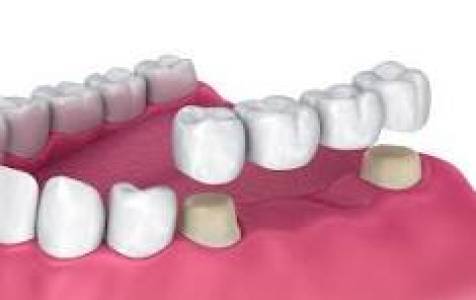
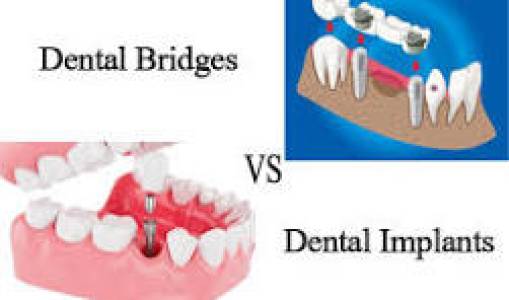
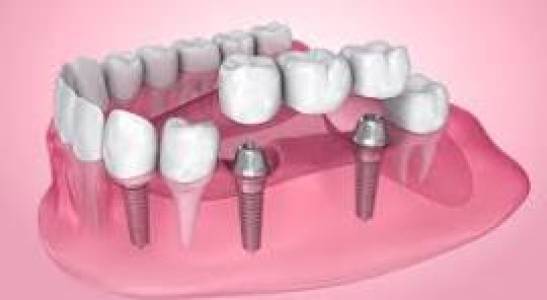
- Maintains Appearance: Keeping your natural tooth avoids gaps in your smile or the need for more extensive restorative work like implants or bridges.
- Long-Lasting Solution: With proper care and a final restoration, a treated tooth can last a lifetime.
- Improved Oral Health: Contributes to your overall oral and systemic health by eradicating chronic infection.
The Root Canal Treatment Process:
Our compassionate and experienced team follows a precise and comfortable process to ensure the best possible outcome for your root canal:
- Diagnosis & X-rays: We begin with a thorough examination, including digital X-rays, to accurately diagnose the infection and assess the extent of the damage.
- Anesthesia: Local anesthesia is administered to completely numb the affected tooth and surrounding area, ensuring a pain-free experience throughout the procedure.
- Isolation: A dental dam (a small sheet of latex or non-latex material) is placed around the tooth to keep it clean and dry, isolating it from saliva and bacteria during treatment.
- Access Opening: A small opening is made in the crown of the tooth to access the pulp chamber and root canals.
- Cleaning & Shaping: Tiny, flexible instruments are used to carefully remove the infected pulp, clean, and shape the root canals. This step also involves irrigating the canals with an antiseptic solution to thoroughly disinfect the area.
- Filling: Once the canals are meticulously cleaned and shaped, they are filled with a biocompatible, rubber-like material called gutta-percha, which is sealed with an adhesive cement to prevent re-infection.
- Temporary Filling: A temporary filling is placed in the access opening to protect the tooth until the final restoration.
- Final Restoration (Crown): In most cases, a dental crown is recommended after root canal treatment to protect the treated tooth from future fracture and restore its full function and appearance. This is typically done in a separate follow-up appointment.
Why Choose [Your Clinic Name] for Your Root Canal?
- Experienced & Skilled Dentists: Our team comprises highly trained dentists and endodontists (root canal specialists) with extensive experience in performing successful root canal treatments.
- Advanced Technology: We utilize state-of-the-art equipment, including digital X-rays, dental operating microscopes, and rotary instruments, to ensure precision, efficiency, and a comfortable experience.
- Patient-Centered Comfort: Your comfort is our priority. We offer various comfort options, including gentle numbing techniques, sedation dentistry (if needed), and a relaxing environment to ease any anxiety.
- Strict Sterilization Protocols: We adhere to the highest standards of sterilization and infection control for your safety.
- Transparent Communication: We believe in clear, honest communication, explaining every step of the procedure and answering all your questions.
- Comprehensive Post-Treatment Care: We provide detailed aftercare instructions and are available to address any post-treatment concerns, ensuring a smooth recovery.
Who Needs Root Canal Treatment? (Indications)
You may be a candidate for root canal treatment if you experience any of the following symptoms:
- Persistent or Severe Tooth Pain: Especially when chewing or applying pressure.
- Prolonged Sensitivity: To hot or cold temperatures, even after the source is removed.
- Swelling and Tenderness: In the gums surrounding the affected tooth.
- Pimple-Like Bump on the Gums: A "fistula" that indicates an abscess.
- Discoloration of the Tooth: The tooth may darken due to infection.
- Deep Decay or Trauma: An injury to the tooth that has damaged the pulp.
Don't Let Pain Linger – Restore Your Comfort and Health!
If you are experiencing symptoms that suggest the need for root canal treatment, don't delay. Early diagnosis and treatment can prevent further complications and save your tooth.
Contact [Your Clinic Name] today to schedule a consultation. Our team is ready to provide you with the gentle, effective care you deserve.
Call Us: [Your Phone Number]
Visit Us: [Your Website/Address]
Email Us: [Your Email Address]
Important Disclaimer: Individual results may vary. A comprehensive dental examination and consultation are required to determine the most appropriate treatment plan for your specific needs. This information is for educational purposes only and does not constitute medical advice.