Description
Here's a detailed product description for Root Canal Treatments, formatted in Markdown:
Root Canal Treatment: Save Your Tooth, Relieve Your Pain
Experiencing persistent toothache, sensitivity, or swelling? Don't despair. Our Root Canal Treatment (RCT) is a highly effective, modern dental procedure designed to alleviate pain, eliminate infection, and save a tooth that might otherwise need extraction. It's about restoring your natural smile and maintaining your oral health with minimal discomfort.
What is a Root Canal Treatment?
A root canal is a specialized dental procedure that treats infection or inflammation inside the tooth's innermost layer, known as the dental pulp. The pulp contains nerves, blood vessels, and connective tissue. When this pulp becomes infected or inflamed due to deep decay, repeated dental procedures, trauma, or cracks, it can cause severe pain and lead to abscess formation.
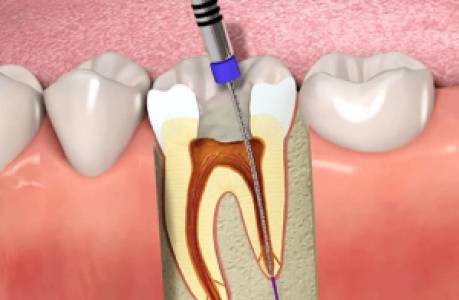
During a root canal, the infected or damaged pulp is carefully removed, the inside of the tooth (including the root canals) is thoroughly cleaned, disinfected, and shaped, and then filled and sealed with a biocompatible material. This process preserves the tooth structure, prevents the need for extraction, and eliminates the source of pain and infection.
When Do You Need a Root Canal? (Symptoms)
If you experience any of the following, a root canal might be necessary:
- Persistent, severe toothache, especially when chewing or applying pressure.
- Prolonged sensitivity to hot or cold temperatures, even after the source is removed.
- Swelling and tenderness in the gums surrounding the affected tooth.
- A small, pimple-like bump on the gums (a fistula or abscess), indicating pus drainage.
- Discoloration (darkening) of the tooth.
- Tenderness or swelling in nearby lymph nodes.
Early diagnosis is key to successful treatment and preventing further complications.
Benefits of Root Canal Treatment
Choosing a root canal offers numerous advantages over tooth extraction:
- Exceptional Pain Relief: Eliminates the excruciating pain caused by infection or inflammation.
- Saves Your Natural Tooth: Avoids extraction, preserving your natural bite, chewing function, and smile aesthetics.
- Prevents Spread of Infection: Stops harmful bacteria from spreading to other teeth or into your jawbone.
- Maintains Oral Health: Keeps your surrounding teeth healthy and prevents shifting that can occur when a tooth is lost.
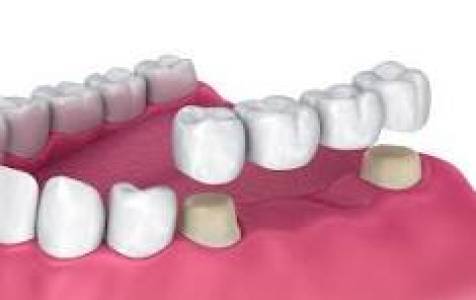
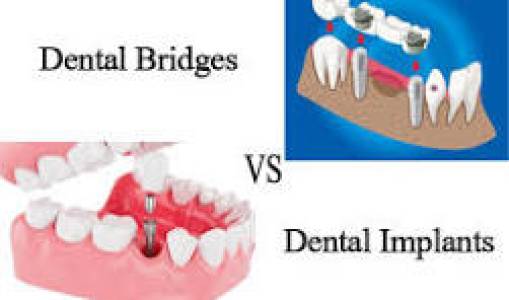
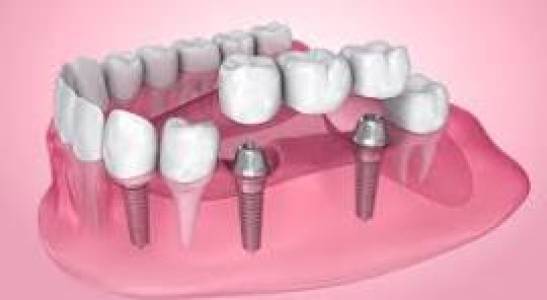
- Cost-Effective Long-Term: Often less expensive than extraction and subsequent tooth replacement options (like implants or bridges) over time.
- Restores Function & Appearance: Allows you to chew, speak, and smile normally again with a fully functional tooth.
Our Root Canal Treatment Process
Our team is committed to making your root canal experience as comfortable and stress-free as possible. Utilizing advanced techniques and technology, here's what you can expect:
- Thorough Diagnosis & Anesthesia: We begin with a comprehensive examination, including digital X-rays, to accurately diagnose the problem. Local anesthetic is administered to ensure you feel absolutely no pain during the entire procedure.
- Access Opening: A small, precise opening is created in the crown of the tooth to access the infected pulp chamber and root canals.
- Cleaning & Shaping: Using specialized, flexible instruments (often rotary files), the infected or inflamed pulp is carefully removed. The canals are then meticulously cleaned, disinfected, and shaped to prepare them for filling.
- Filling & Sealing (Obturation): The cleaned and disinfected canals are filled with a biocompatible, rubber-like material called gutta-percha, and then permanently sealed to prevent re-infection.
- Temporary Restoration: A temporary filling is placed to protect the tooth until your permanent restoration is ready.
- Permanent Restoration (Dental Crown): In most cases, a custom-fitted dental crown is strongly recommended after a root canal. This crown protects the treated, now more brittle tooth from fracture, restores its full function, and gives it a natural appearance, ensuring the long-term success of the treatment.
Why Choose [Your Clinic Name] for Your Root Canal?
- Experienced Professionals: Our highly skilled dentists and endodontists (root canal specialists) have extensive experience in performing successful root canal treatments with precision and care.
- Advanced Technology: We utilize state-of-the-art diagnostic and treatment tools, including digital X-rays, apex locators, and rotary instrumentation, for efficient, predictable, and comfortable procedures.
- Patient-Centered Comfort: We prioritize your comfort with gentle techniques, effective local anesthesia, and a calming, supportive environment. We're happy to discuss sedation options if you experience dental anxiety.
- Comprehensive Care: From accurate diagnosis and treatment to post-procedure follow-up and final crown placement, we provide complete, seamless care under one roof.
- Sterilization Excellence: Adherence to the highest sterilization and infection control standards for your absolute safety.
Post-Treatment Care & Expectations
After your root canal, it's normal to experience some mild sensitivity or tenderness for a few days, which can typically be managed with over-the-counter pain relievers. We will provide you with detailed aftercare instructions. It is crucial to attend your follow-up appointment for the placement of your permanent crown or filling to protect the treated tooth and ensure the long-term success and durability of your root canal treatment.
Frequently Asked Questions (FAQs)
- Is a root canal painful? With modern anesthetics and advanced techniques, root canal treatment is typically no more uncomfortable than a routine filling. The goal is to relieve the excruciating pain caused by the infection, not cause new pain.
- How long does the procedure take? A root canal usually takes 1-2 hours, often completed in one or two appointments depending on the tooth's complexity and the extent of the infection.
- How long will the treated tooth last? With proper oral hygiene, regular dental check-ups, and a good final restoration (like a crown), a root canal treated tooth can last a lifetime.
- What if I don't get a root canal? Delaying treatment can lead to the spread of infection, increased pain, significant bone loss around the tooth, and eventually, the irreversible need for tooth extraction.
Don't Let Pain Control Your Life!
If you're experiencing symptoms that suggest the need for a root canal, don't wait. Early intervention can prevent more serious complications, save your natural tooth, and restore your comfort.
Contact [Your Clinic Name] today to schedule a consultation and take the first step towards a pain-free, healthy smile.
- Phone: [Your Phone Number]
- Email: [Your Email Address]
- Website: [Your Website Link]
- Address: [Your Clinic Address]