Description
Here's a detailed product description for a dental crown, formatted in Markdown:
Dental Crown: Restore Your Smile with Strength & Beauty
What is a Dental Crown?
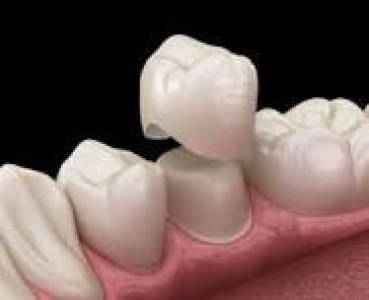
A dental crown, often referred to as a "cap," is a custom-made restoration that fully encases a damaged or weakened tooth, restoring its original shape, size, strength, and appearance. Crafted from durable, tooth-colored materials, crowns are designed to blend seamlessly with your natural smile, providing both functional support and aesthetic enhancement.
Why Choose a Dental Crown? (Indications & Benefits)
Dental crowns are a versatile solution for a variety of dental concerns, offering significant advantages:
- Protect a Weak Tooth: Prevent a fractured tooth from breaking, or hold parts of a cracked tooth together.
- Restore a Broken or Severely Worn Tooth: Repair teeth damaged by trauma or excessive wear.
- Cover and Support a Tooth with a Large Filling: When there isn't much tooth structure left.
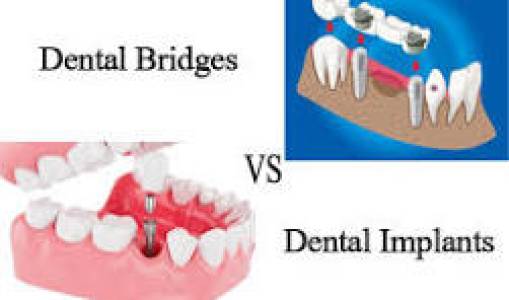
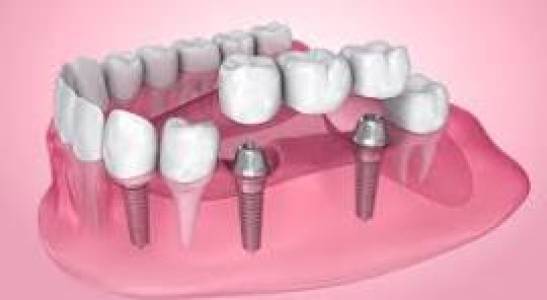
- Cover a Dental Implant: The final restoration placed on top of an implant post to replace a missing tooth.
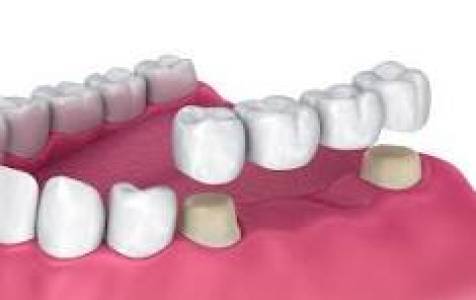
- Hold a Dental Bridge in Place: Crowns serve as anchors for dental bridges, spanning the gap of missing teeth.
- Cover a Misshapen or Severely Discolored Tooth: Improve the aesthetics of your smile.
- After Root Canal Treatment: Protect the treated tooth from future fractures and restore its strength.
Benefits include:
- Restored Function: Chew and speak with confidence and comfort.
- Enhanced Aesthetics: Achieve a natural-looking smile that blends with your existing teeth.
- Increased Strength & Durability: Protect compromised teeth from further damage.
- Long-Lasting Solution: With proper care, crowns can last for many years.
Our Advanced Crown Material Options
We offer a range of high-quality materials to ensure your crown meets your specific needs for strength, aesthetics, and longevity:
- All-Ceramic (Porcelain):
- Ideal for: Front teeth where aesthetics are paramount.
- Benefits: Excellent natural translucency and color match, metal-free, suitable for patients with metal allergies.
- Considerations: Can be more prone to chipping than zirconia, though advancements have greatly improved their strength.
- Zirconia:
- Ideal for: Back teeth requiring extreme strength, or for patients seeking metal-free options for front teeth.
- Benefits: Exceptional durability and resistance to fracture, excellent biocompatibility, good aesthetics, can be used for bridges.
- Considerations: Can be very opaque, though newer generations offer improved translucency.
- Porcelain-Fused-to-Metal (PFM):
- Ideal for: Both front and back teeth where a balance of strength and aesthetics is desired, and cost is a factor.
- Benefits: Very strong due to the metal substructure, good aesthetics with a porcelain outer layer, durable.
- Considerations: A grey line can sometimes be visible at the gum line, and more tooth reduction is typically required.
- E-max (Lithium Disilicate):
- Ideal for: Anterior (front) teeth and some premolars where superior aesthetics and good strength are needed.
- Benefits: Outstanding natural translucency and opalescence, very strong for an all-ceramic option, highly durable.
- Considerations: Generally not recommended for molars or long-span bridges due to strength limitations compared to zirconia.
- Gold Alloys (Metal):
- Ideal for: Back molars where maximum strength, durability, and minimal tooth reduction are priorities.
- Benefits: Extremely durable, highly biocompatible, very gentle on opposing teeth, minimal wear over time.
- Considerations: Distinct metallic appearance, higher cost due to gold content.
The Dental Crown Procedure: What to Expect
The placement of a dental crown typically involves two appointments:
- First Appointment (Preparation & Impression):
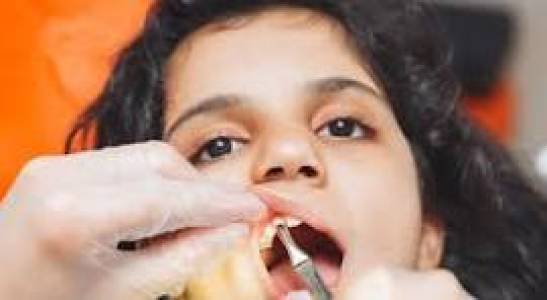
- Examination: Your dentist will examine the tooth, often taking X-rays, to ensure a crown is the appropriate solution.
- Anesthetic: The tooth and surrounding gum tissue will be numbed with local anesthetic.
- Tooth Preparation: The tooth will be carefully shaped and reduced to create space for the crown to fit over it.
- Impressions: A precise impression (either traditional mold or a digital scan) will be taken of the prepared tooth and surrounding teeth. This impression is sent to a dental laboratory for custom crown fabrication.
- Temporary Crown: A temporary crown will be placed over the prepared tooth to protect it while your permanent crown is being made.
- Second Appointment (Placement of Permanent Crown):
- Removal of Temporary Crown: The temporary crown is carefully removed.
- Cleaning & Fitting: The prepared tooth is cleaned, and your new permanent crown is carefully tried on to check its fit, bite, and aesthetics.
- Cementation: Once you and your dentist are satisfied with the fit and appearance, the permanent crown is bonded securely into place using a strong dental cement.
- Final Adjustments: Any final minor adjustments to your bite will be made.
Caring for Your Dental Crown
With proper care, your dental crown can last for many years, often 10-15 years or even longer.
- Maintain Excellent Oral Hygiene: Brush twice daily and floss at least once daily, paying special attention to the gum line around your crown.
- Regular Dental Check-ups: Continue with your routine dental examinations and professional cleanings.
- Avoid Hard & Sticky Foods: While crowns are strong, avoid chewing on extremely hard foods (like ice, hard candies) or sticky foods (like caramels) that could damage or dislodge the crown.
- Address Bruxism (Teeth Grinding): If you grind or clench your teeth, especially at night, your dentist may recommend a night guard to protect your crown and natural teeth.
- Be Gentle with Temporaries: If you have a temporary crown, avoid chewing on very hard or sticky foods on that side, as temporaries are less durable.
Why Choose [Your Clinic Name] for Your Dental Crown?
- Experienced & Skilled Team: Our dentists have extensive experience in restorative dentistry, ensuring precise preparation and placement.
- State-of-the-Art Technology: We utilize advanced digital scanning and imaging for accurate impressions and optimal results.
- Premium Quality Materials: We partner with reputable dental laboratories that use only the highest quality, biocompatible materials for durable and aesthetic crowns.
- Personalized Treatment Plans: We take the time to discuss your options, understand your needs, and create a customized treatment plan.
- Comfort-Focused Care: Your comfort is our priority, from local anesthetic options to a supportive and friendly environment.
Ready to Restore Your Smile?
Don't let damaged or compromised teeth hold you back. A dental crown can revitalize your oral health and boost your confidence.
Contact Us Today: Schedule a consultation with our experienced team to discuss if a dental crown is the right solution for you.
- Phone: [Your Phone Number]
- Email: [Your Email Address]
- Website: [Your Website Link]
- Address: [Your Clinic Address]