Description
Here's a detailed product description for a dental bridge, formatted in Markdown:
Restore Your Smile and Function with a Custom Dental Bridge
Missing teeth can impact more than just your smile. They can affect your ability to chew, speak clearly, and even lead to shifting of your remaining teeth, compromising your overall oral health. At [Your Practice Name], we offer high-quality, custom-crafted dental bridges – a reliable and aesthetically pleasing solution to replace one or more missing teeth.
What is a Dental Bridge?
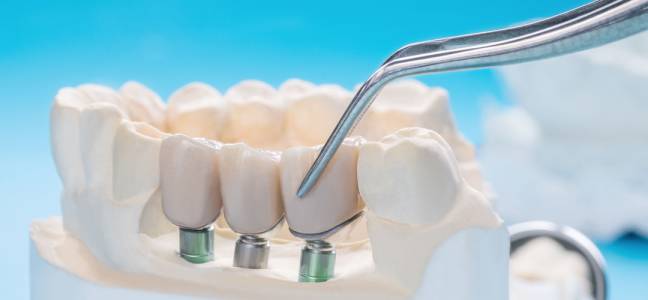
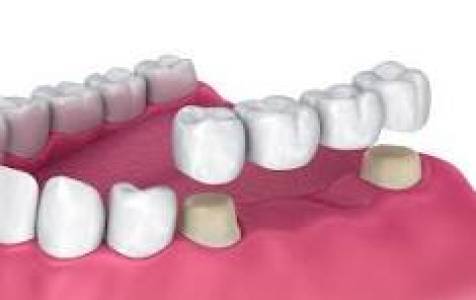
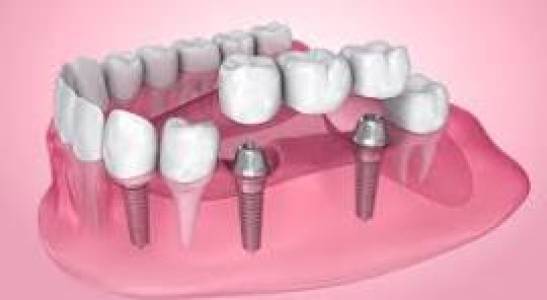
A dental bridge is a fixed prosthetic device designed to "bridge" the gap created by one or more missing teeth. It consists of two or more crowns for the teeth on either side of the gap (known as abutment teeth) and a false tooth or teeth (called a pontic) in between. These components are fused together to form a single, strong unit that is permanently cemented onto your natural teeth or dental implants.
Why Choose a Dental Bridge?
Dental bridges offer a multitude of benefits for your oral health and quality of life:
- Restores Your Smile: Fills the gap, creating a complete and natural-looking smile.
- Improves Chewing Ability: Allows you to chew a wider variety of foods comfortably and efficiently.
- Enhances Speech: Corrects any lisp or difficulty speaking caused by missing teeth.
- Maintains Facial Structure: Prevents the collapse of facial tissues that can occur with tooth loss.
- Prevents Tooth Shifting: Keeps adjacent teeth from drifting into the empty space, which can lead to bite problems and further tooth loss.
- Distributes Bite Forces: Helps to evenly distribute the forces in your bite, protecting remaining teeth.
- Durable and Long-Lasting: With proper care, dental bridges can last 10-15 years or even longer.
- Fixed Solution: Unlike removable partial dentures, bridges are permanently cemented in place, offering superior comfort and stability.
Types of Dental Bridges We Offer
We provide various types of dental bridges, each designed to meet specific needs and situations:
1. Traditional Bridges
- Description: The most common type, used when you have natural teeth on both sides of the gap. It consists of one or more pontics held in place by crowns cemented onto the abutment teeth.
- Ideal For: Patients with healthy, strong teeth adjacent to the missing tooth/teeth.
- Materials: Typically made from porcelain fused to metal (PFM), ceramics (like zirconia), or all-porcelain for optimal aesthetics.
2. Cantilever Bridges
- Description: Similar to a traditional bridge, but the pontic is supported by crowns on only one side of the gap.
- Ideal For: Situations where there are only natural teeth on one side of the missing tooth, or in areas of the mouth that experience less chewing force.
- Considerations: Less common due to increased stress on the single abutment tooth, potentially leading to complications.
3. Maryland (Resin-Bonded) Bridges
- Description: Consists of a pontic with metal or porcelain "wings" extending from its sides. These wings are bonded to the back surface of your adjacent natural teeth.
- Ideal For: Replacing a single front tooth, especially for younger patients, or as a temporary solution. Requires minimal preparation of adjacent teeth.
- Considerations: Not as strong as traditional bridges; generally used in areas with lower chewing forces.
4. Implant-Supported Bridges
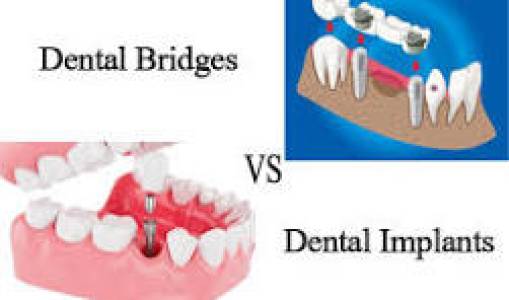
- Description: For multiple missing teeth without adequate natural abutment teeth, bridges can be supported by dental implants. Instead of natural teeth, the crowns are anchored to surgically placed implants.
- Ideal For: Patients missing three or more teeth in a row, or when natural abutment teeth are not strong enough.
- Benefits: Highly stable, durable, preserves jaw bone, and does not require altering healthy adjacent teeth.
Materials Used
We utilize only the highest quality, biocompatible materials to ensure the longevity, strength, and aesthetics of your dental bridge:
- Zirconia: Extremely strong, durable, and highly aesthetic, mimicking the natural translucency of teeth. Ideal for both front and back teeth.
- All-Ceramic/Porcelain: Offers superior aesthetics and a natural look, perfect for visible front teeth.
- Porcelain-Fused-to-Metal (PFM): Combines the strength of a metal substructure with the aesthetics of a porcelain outer layer, providing a robust and visually pleasing option.
- Metal Alloys: (Less common for visible areas) Highly durable and strong, often used for back teeth where chewing forces are greatest.
The Dental Bridge Procedure
Receiving a dental bridge typically involves a few visits to our office:
- Comprehensive Examination & Consultation: We'll perform a thorough examination, including X-rays, to assess your oral health, determine the best type of bridge for your needs, and discuss your goals and expectations.
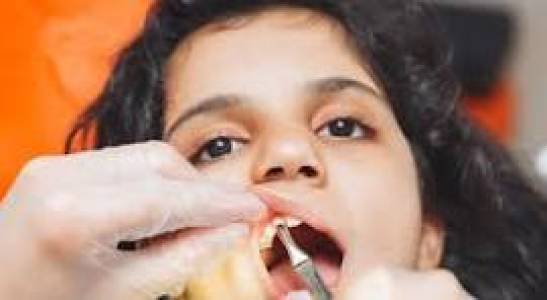
- Tooth Preparation (First Visit): If you're receiving a traditional or cantilever bridge, we'll gently prepare the abutment teeth by removing a small amount of enamel to create space for the crowns. Impressions (molds) of your teeth will be taken to send to a dental lab for custom bridge fabrication. A temporary bridge will be placed to protect your prepared teeth and maintain aesthetics.
- Bridge Placement (Second Visit): Once your custom bridge arrives from the lab (usually within 2-3 weeks), you'll return to our office. The temporary bridge will be removed, and your new permanent bridge will be carefully fitted, adjusted for proper bite and comfort, and then permanently cemented into place.
- Follow-Up: We'll schedule follow-up appointments to ensure your bridge is comfortable, functioning correctly, and to review proper care instructions.
Caring for Your Dental Bridge
With proper home care and regular dental check-ups, your bridge can last for many years:
- Brush Twice Daily: Use a soft-bristled toothbrush and fluoride toothpaste.
- Floss Daily: Pay special attention to cleaning under the pontic (false tooth) using a floss threader or specialized dental picks designed for bridges to remove plaque and food debris.
- Regular Dental Check-ups: Visit [Your Practice Name] every six months for professional cleanings and examinations.
- Avoid Hard/Sticky Foods: Limit consumption of very hard candies, nuts, or sticky caramels that could potentially damage your bridge.
Is a Dental Bridge Right For You?
If you are missing one or more teeth and are looking for a fixed, durable, and aesthetic solution, a dental bridge might be the perfect option. Our experienced team at [Your Practice Name] is dedicated to providing personalized care and helping you achieve a healthy, confident smile.
Why Choose [Your Practice Name]?
- Experienced Dentists: Our team has extensive experience in designing and placing beautiful, functional dental bridges.
- State-of-the-Art Technology: We utilize advanced diagnostic tools and techniques for precise and comfortable treatment.
- Customized Solutions: We believe in personalized care, tailoring each bridge to your unique oral anatomy and aesthetic preferences.
- Patient Comfort: Your comfort is our priority. We strive to make every visit a positive and stress-free experience.
Don't let missing teeth compromise your health or confidence any longer.
Schedule Your Consultation Today!
Contact [Your Practice Name] at [Phone Number] or visit our website at [Website Address] to book your consultation and discover if a dental bridge is the right solution to restore your smile.