Description
Root Canal Treatment: Save Your Natural Smile & Eliminate Pain
Is severe tooth pain, sensitivity, or swelling making your life miserable? Don't despair. Root Canal Treatment (RCT), also known as endodontic treatment, is a highly effective and common dental procedure designed to save a natural tooth that has become infected or severely damaged inside.
Often misunderstood and unfairly associated with pain, modern root canal therapy is a comfortable, predictable solution to eliminate infection, alleviate discomfort, and preserve your precious natural tooth, preventing the need for extraction.
Why Choose Root Canal Treatment?
Opting for a root canal isn't just about pain relief; it's about preserving your natural oral health and maintaining your quality of life.
- Eliminate Pain & Discomfort: Addresses the root cause of your pain, providing immediate and lasting relief from the severe discomfort caused by an infected or inflamed tooth pulp.
- Preserve Your Natural Tooth: Avoid extraction and maintain your natural bite, chewing ability, and smile. Saving your tooth prevents complications associated with tooth loss, such as shifting adjacent teeth or bone loss.
- Prevent Further Infection: Stops the spread of bacteria from the infected pulp to other teeth or into your jawbone, which could lead to more serious health issues.
- Maintain Oral Health: Keeps the surrounding teeth healthy and prevents shifting that can occur after tooth loss, which might lead to bite problems or temporomandibular joint (TMJ) issues.
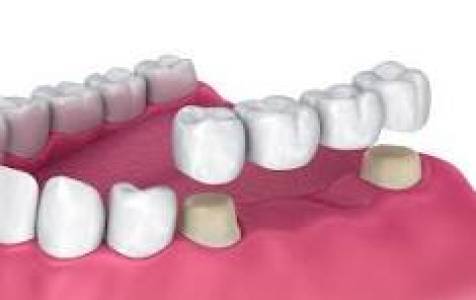
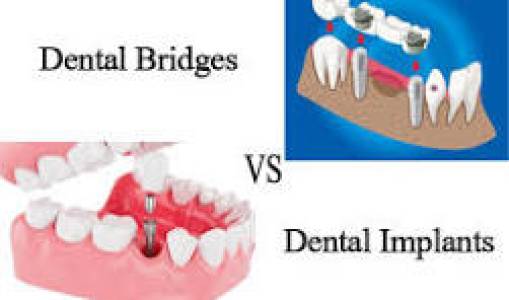
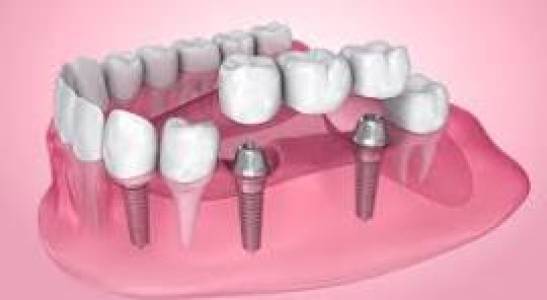
- Cost-Effective Long-Term: While an investment, saving your natural tooth is often more cost-effective over time than replacing it with a bridge, implant, or partial denture, which involve more extensive procedures and maintenance.
- Restore Functionality & Aesthetics: Once treated and properly restored (often with a crown), the tooth can function normally for years to come, looking and feeling like any other natural tooth.
Do You Need a Root Canal? Common Symptoms:
If you experience any of the following, it's crucial to schedule a dental consultation promptly. Early diagnosis can prevent more severe complications.
- Persistent Tooth Pain: Ranging from mild to severe, constant, or intermittent, often radiating to the jaw, ear, or temple. This is the most common indicator.
- Sensitivity to Hot and Cold: Lingering sensitivity or pain even after the hot or cold stimulus is removed, indicating nerve damage or inflammation.
- Tenderness to Touch and Chewing: Pain when biting down, chewing, or touching the affected tooth, suggesting inflammation around the root.
- Swollen, Tender Gums: Redness or swelling around the affected tooth, often indicative of an abscess forming.
- Pimples on the Gums (Abscess): A recurring or persistent "pimple-like" bump on the gums that may release pus, signaling an infection trying to drain.
- Tooth Discoloration: Darkening or grayish discoloration of the tooth, indicating a dying or dead nerve.
- Cracked or Chipped Tooth: Can expose the delicate pulp to bacteria, leading to infection.
- Deep Decay: Extensive cavities that have reached the pulp chamber, allowing bacteria to infect the nerve tissue.
The Root Canal Procedure: What to Expect
Modern root canal therapy is typically completed in one or two appointments, depending on the complexity of your case and the extent of the infection. Our priority is to ensure your comfort throughout the process. Here's a general overview:
- Diagnosis & Anesthesia: We begin with a thorough examination, including digital X-rays and other diagnostic tests, to accurately confirm the need for RCT. Local anesthesia will be administered to numb the affected tooth and surrounding area completely, ensuring a pain-free experience during the procedure.
- Isolation: A dental dam (a small, thin sheet of latex or non-latex material) is placed around the tooth. This isolates the tooth, keeping it clean, dry, and free from saliva and bacteria throughout the treatment.
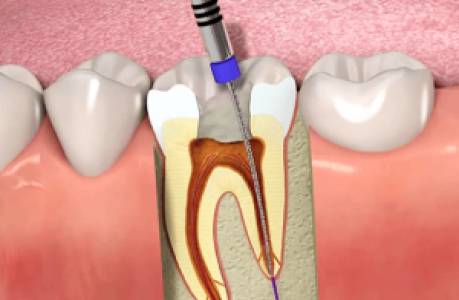
- Access Opening: A small opening is carefully made on the top of the tooth (for back teeth) or the back (for front teeth) to access the pulp chamber and the intricate root canal system.
- Cleaning & Shaping: Tiny, specialized instruments are used to meticulously remove the infected or inflamed pulp tissue, nerves, and bacteria from inside the tooth's root canals. The canals are then thoroughly cleaned, disinfected with antimicrobial solutions, and precisely shaped to prepare them for filling.
- Filling (Obturation): Once the canals are clean and dry, they are filled with a biocompatible, rubber-like material called gutta-percha. This material is carefully placed and sealed with an adhesive cement to completely fill the root canal system and prevent future re-infection.
- Temporary Filling: A temporary filling is placed in the access opening to protect the tooth until your final restoration appointment.
- Final Restoration: In most cases, a custom-made dental crown is highly recommended after root canal treatment. A crown provides critical strength, protection against fracture, and restores the tooth's natural appearance and full chewing function, especially for back teeth or those with significant prior damage. This step is crucial for the long-term success and durability of your treated tooth.
Aftercare & Recovery
You may experience some mild sensitivity or soreness in the treated area for a few days after the procedure, which is normal and typically manageable with over-the-counter pain relievers. We will provide detailed post-treatment instructions to ensure a smooth and comfortable recovery. It's vital to avoid chewing on the treated tooth until your final restoration (crown) is placed to prevent damage.
Why Choose [Your Clinic Name] for Your Root Canal Treatment?
At [Your Clinic Name], we understand that the thought of a root canal can be daunting. That's why we prioritize your comfort, safety, and successful outcome above all else.
- Experienced & Compassionate Team: Our skilled dentists and endodontists are highly experienced in performing root canal treatments with precision and a gentle touch.
- State-of-the-Art Technology: We utilize advanced diagnostic tools and treatment techniques, including digital X-rays, rotary endodontics, and apex locators, for accurate and efficient treatment.
- Patient-Centered Care: We take the time to explain every step, answer your questions, and ensure you feel relaxed and informed throughout your visit.
- Focus on Comfort: From local anesthesia to sedation options (if needed), your comfort is our priority during the entire procedure.
- Commitment to Preservation: Our goal is always to save your natural tooth whenever possible, providing the best long-term solution for your oral health.
Don't Let Pain Control Your Life!
If you suspect you need a root canal or are experiencing severe tooth pain, don't delay seeking professional dental care. Early intervention can save your tooth, prevent further complications, and quickly alleviate your discomfort.
Contact [Your Clinic Name] today to schedule a consultation. We're here to provide the relief you need and help you maintain a healthy, beautiful smile for years to come.
Call us at [Phone Number] or [Book Online Link]
Frequently Asked Questions (FAQs)
Q: Is root canal treatment painful? A: No. With modern local anesthesia techniques, the procedure itself is typically no more uncomfortable than getting a filling. The goal of a root canal is to relieve the severe pain caused by infection, not cause it.
Q: How long does a root canal tooth last? A: With proper dental hygiene, regular check-ups, and a timely final restoration (like a crown), a treated tooth can last a lifetime.
Q: What if I don't get a root canal? A: If an infected tooth is left untreated, the infection can spread, leading to severe pain, swelling, bone loss around the tooth, and ultimately, the need for extraction. It can also impact your overall health.
Q: Is a crown always necessary after a root canal? A: While not always strictly necessary for front teeth, a crown is highly recommended for most teeth, especially molars and premolars. A root-canaled tooth can become brittle over time, and a crown provides vital protection against fracture, ensuring the tooth's long-term success.
Q: Are there alternatives to root canal treatment? A: The main alternative to a root canal is tooth extraction. However, extraction often leads to additional dental problems and costs, such as the need for a bridge, implant, or partial denture to replace the missing tooth. Saving your natural tooth is almost always the preferred option.