Description
This detailed product description for a root canal procedure is designed to be informative, reassuring, and clear for potential patients.
Root Canal Therapy: Restore Your Smile, Relieve Your Pain
Are you experiencing severe tooth pain, sensitivity, or swelling?
A root canal is a highly effective and common dental procedure designed to save a tooth that has become infected or severely damaged. Far from the fearful reputation it once had, modern root canal therapy is often no more uncomfortable than getting a filling, and it provides significant relief from the pain caused by an infected tooth.
At [Your Practice Name], we are dedicated to providing gentle, precise, and comfortable root canal treatments, preserving your natural teeth and restoring your oral health.
What is a Root Canal?
At the center of your tooth is a soft tissue called the pulp, which contains nerves, blood vessels, and connective tissue. When the pulp becomes infected or inflamed due to deep decay, repeated dental procedures, cracks, or trauma, it can cause severe pain and can lead to an abscess if left untreated.
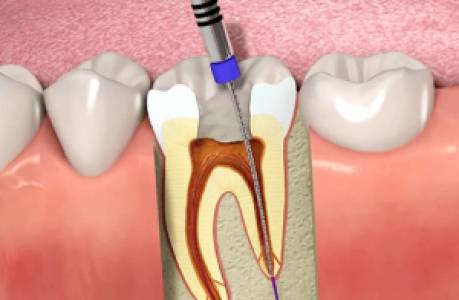
Root canal therapy, also known as endodontic treatment, involves carefully removing the infected or inflamed pulp, cleaning and disinfecting the inside of the tooth, and then filling and sealing the space. This process eliminates the infection and protects the tooth from future contamination, allowing you to keep your natural tooth.
Key Benefits of Root Canal Therapy:
- Immediate and Lasting Pain Relief: Eliminates the source of your severe toothache.
- Save Your Natural Tooth: Avoids the need for extraction and prevents issues associated with missing teeth (shifting, bone loss).
- Prevent Infection Spread: Stops the infection from spreading to other teeth or surrounding tissues.
- Restore Chewing Function: Allows you to chew normally and comfortably on your treated tooth.
- Maintain Your Smile & Aesthetics: Preserves your natural appearance and tooth alignment.
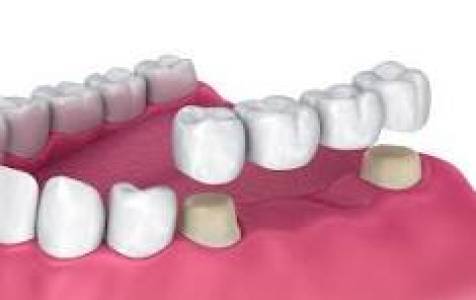
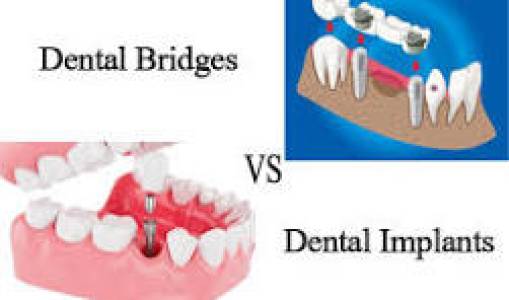
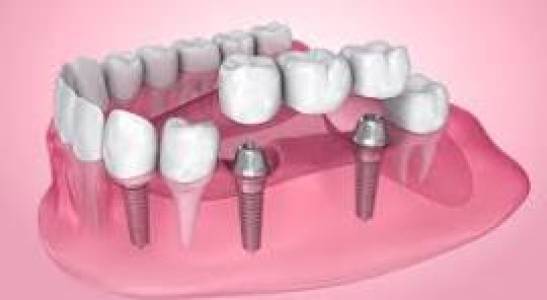
- Cost-Effective in the Long Run: Often more economical than extracting the tooth and replacing it with an implant or bridge.
Who Needs a Root Canal? (Indications)
You might be a candidate for root canal therapy if you experience any of the following symptoms:
- Persistent Tooth Pain: Ranging from mild aches to severe, throbbing pain that keeps you awake at night.
- Sensitivity to Hot or Cold: Lingering sensitivity after consuming hot or cold foods/drinks.
- Swelling and Tenderness: Swelling in the gums around the affected tooth, or tenderness when chewing.
- Pimple-Like Bump on Gums: A "pimple" or lesion on the gums near the painful tooth, indicating an abscess.
- Tooth Discoloration: Darkening or discoloration of the tooth.
- Dental Trauma: A chip or crack in the tooth that exposes the pulp.
The Root Canal Procedure: Step-by-Step
Our modern approach makes the root canal process as smooth and comfortable as possible:
- Diagnosis & Anesthesia: We begin with a thorough examination, including X-rays, to confirm the diagnosis. Local anesthesia is administered to completely numb the area around the tooth, ensuring you feel no pain during the procedure.
- Access Opening: A small opening is made in the crown of the tooth to access the pulp chamber and root canals.
- Cleaning & Shaping: Using specialized instruments, the infected or inflamed pulp is carefully removed. The root canals are then thoroughly cleaned, disinfected, and shaped to prepare them for filling.
- Filling (Obturation): Once clean and dry, the root canals are filled with a biocompatible, rubber-like material called gutta-percha, which is sealed with an adhesive cement to prevent reinfection.
- Restoration: A temporary filling is placed in the access opening. In most cases, a dental crown is recommended after root canal treatment to protect the weakened tooth structure from fracture and restore its full function and appearance. This usually happens in a subsequent appointment.
Comfort & Technology: Dispelling the Myths
The myth that root canals are painful is outdated. Thanks to advancements in local anesthetics and dental technology, most patients report feeling little to no pain during the procedure. In fact, a root canal is performed to relieve the severe pain of an infected tooth.
At [Your Practice Name], we utilize:
- Advanced Anesthesia Techniques: Ensuring profound numbness.
- Rotary Endodontics: For faster, more efficient, and quieter cleaning of root canals.
- Digital X-rays: For precise diagnosis with minimal radiation exposure.
- Patient Comfort Amenities: [Mention specific amenities if applicable, e.g., sedation options, blankets, music].
Post-Procedure Care & Expectations
After your root canal, it's normal to experience some mild sensitivity or discomfort for a few days, especially if there was infection or inflammation before the procedure. This can usually be managed with over-the-counter pain relievers.
- Avoid Chewing: Try to avoid chewing on the treated tooth until your permanent restoration (usually a crown) is placed.
- Oral Hygiene: Continue your regular brushing and flossing routine.
- Follow-Up: Attend all scheduled follow-up appointments, especially for the placement of your final crown.
With proper care, a root canal-treated tooth can last a lifetime.
Why Choose [Your Practice Name] for Your Root Canal?
- Experienced Team: Our dentists have extensive experience in performing successful root canal treatments.
- Patient-Centered Care: We prioritize your comfort and understanding throughout every step.
- State-of-the-Art Facility: Equipped with modern technology for efficient and effective treatment.
- Comprehensive Solutions: From diagnosis to final restoration, we provide complete care under one roof.
- Gentle Approach: We are committed to making your experience as stress-free as possible.
Important Disclaimer:
This product description is for informational purposes only and does not constitute medical advice. Every patient's dental health is unique. A proper diagnosis and treatment plan can only be made after a personal consultation and examination by a qualified dental professional. Please do not delay seeking professional medical advice if you are experiencing severe tooth pain or other concerning symptoms.
Don't Suffer in Silence. Take the First Step Towards Pain Relief!
If you suspect you need a root canal, or are experiencing persistent tooth pain, don't wait for the problem to worsen. Contact us today to schedule a comprehensive examination. Our compassionate team is ready to answer your questions and help you regain your oral health and comfort.
[Your Practice Name] [Your Phone Number] [Your Website] [Your Address]