Description
Pulp Therapy: Preserving Natural Teeth & Nurturing Healthy Smiles
Introduction
Pulp therapy, often referred to as a "baby root canal" or vital pulp therapy, is a crucial dental procedure aimed at saving a tooth whose inner pulp has become inflamed or infected due to deep decay, trauma, or cracks. Rather than extracting the affected tooth, pulp therapy allows dentists to preserve its natural structure, maintain function, and prevent future dental complications. This treatment is especially vital in pediatric dentistry to save primary (baby) teeth, which act as natural space maintainers for the developing permanent teeth.
Why Choose Pulp Therapy?
Pulp therapy offers significant advantages over extraction, particularly for children and young adults:
- Preserves Natural Teeth: Keeps the original tooth in place, maintaining its natural function in chewing and speech.
- Maintains Space: For primary teeth, it prevents premature tooth loss, which can lead to shifting of adjacent teeth and crowding issues for permanent teeth.
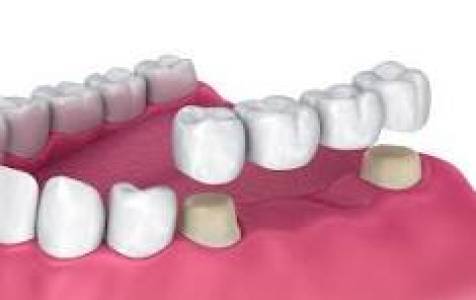
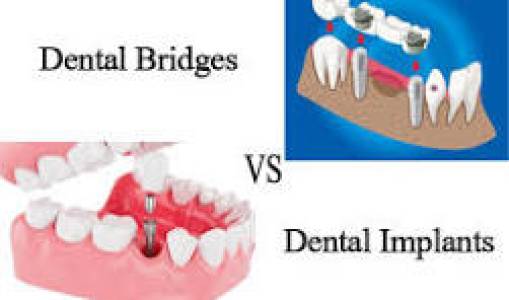
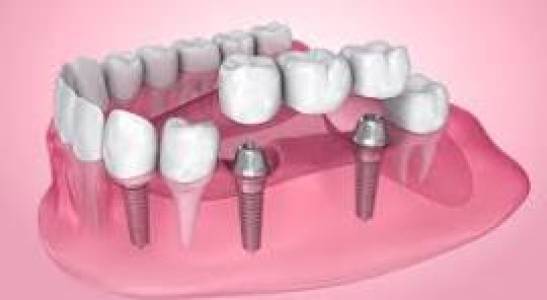
- Prevents Future Dental Issues: Avoids the need for costly and complex restorative options like bridges, implants, or orthodontic treatment later on.
- Reduces Pain & Discomfort: Effectively treats the source of infection or inflammation, alleviating toothache and sensitivity.
- Promotes Normal Development: Allows the tooth to continue guiding the eruption of permanent teeth and aids in the development of facial structures.
- Cost-Effective: Often more economical in the long run than extraction followed by space maintainers or future restorative solutions.
Who Needs Pulp Therapy?
Pulp therapy is typically recommended for teeth (both primary and permanent) that exhibit:
- Deep Dental Decay: When cavities have progressed close to or into the pulp chamber.
- Dental Trauma: Injuries that have exposed the pulp or caused significant inflammation.
- Cracked or Fractured Teeth: Leading to pulp exposure or bacterial contamination.
- Irreversible Pulpitis: Inflammation of the pulp that cannot heal on its own, but where the root structure is still healthy enough to be treated.
- Symptoms: Persistent toothache, sensitivity to hot/cold, spontaneous pain, or swelling around the affected tooth.
Understanding the Types of Pulp Therapy
Pulp therapy encompasses several techniques, chosen based on the extent of pulp damage and whether the tooth is primary or permanent:
Pulpotomy (Coronal Pulp Removal)
- Description: This procedure involves removing only the infected or inflamed pulp tissue from the crown portion of the tooth. The healthy pulp within the root canals is left intact.
- Indication: Primarily for primary teeth where the infection or inflammation is confined to the coronal pulp, and the root pulp is vital and healthy.
- Process: After removing the infected tissue, a medicament (e.g., MTA, Calcium Hydroxide, Formocresol substitute) is placed to soothe and protect the remaining pulp, followed by a final restoration (often a stainless steel crown for primary teeth).
Pulpectomy (Total Pulp Removal)
- Description: This is a more extensive procedure where all infected pulp tissue, from both the crown and the root canals, is removed. It's akin to a full root canal treatment for primary teeth.
- Indication: For primary teeth where the entire pulp (both coronal and radicular) is infected or necrotic, but the tooth structure can still be saved.
- Process: The canals are cleaned, disinfected, and then filled with a resorbable paste (to allow for natural tooth exfoliation), followed by a final restoration.
Vital Pulp Therapy (VPT) / Apexogenesis
- Description: A broader term that includes procedures like direct pulp capping and pulpotomy in immature permanent teeth. The goal is to preserve the vitality of the remaining root pulp to allow for continued root development (apexogenesis).
- Indication: For permanent teeth with immature roots that have sustained pulp exposure due to trauma or caries, where the remaining pulp tissue is considered vital.
- Process: Involves carefully removing the affected pulp tissue, applying biocompatible materials (like MTA) directly over the exposed pulp, and then restoring the tooth to encourage root maturation.
The Procedure: What to Expect
- Diagnosis: A thorough examination, including X-rays, to assess the extent of the pulp damage.
- Local Anesthetic: The area around the tooth is numbed to ensure a comfortable experience.
- Isolation: A dental dam is placed around the tooth to keep it dry and free from saliva contamination.
- Access: A small opening is created in the tooth crown to access the pulp chamber.
- Pulp Removal: The infected or inflamed pulp tissue is carefully removed using specialized instruments.
- Medication & Sealing: A medicament is applied, and the pulp chamber is sealed with a biocompatible material.
- Restoration: The tooth is then restored, often with a dental filling or a full coverage crown (especially common for primary teeth after pulpotomy) to protect it from further damage and restore its function.
Our Commitment to Oral Health
We are dedicated to providing advanced, gentle, and effective pulp therapy solutions that prioritize the long-term oral health of our patients. Our team utilizes the latest techniques and biocompatible materials, ensuring the highest standards of care to save natural teeth and foster healthy, confident smiles.
Invest in a Lifetime of Healthy Smiles
Don't let deep decay or dental trauma lead to premature tooth loss. Pulp therapy offers a proven path to preserve your natural teeth and prevent future complications. Consult with your dentist today to determine if pulp therapy is the right solution for you or your child.
Disclaimer
This product description is for informational purposes only and does not constitute medical advice. Always consult with a qualified dental professional for diagnosis and treatment recommendations regarding your specific oral health needs.