Description
Root Canal Therapy: Save Your Natural Tooth, Restore Your Oral Health
🦷 Product Overview
Root Canal Therapy, also known as Endodontic Treatment, is a highly effective and common dental procedure designed to save a tooth that has been severely damaged due to deep decay, cracks, or trauma leading to infection or inflammation of the pulp. The pulp, located inside the tooth, contains nerves, blood vessels, and connective tissue. When the pulp becomes infected or inflamed, it can cause significant pain and, if left untreated, can lead to tooth loss and the spread of infection to other parts of the body.
Our expert dental team utilizes advanced techniques and compassionate care to perform root canal procedures efficiently, comfortably, and with lasting results, helping you eliminate pain and preserve your natural smile.
✨ Key Benefits
- Eliminates Pain & Discomfort: Effectively removes the source of infection and inflammation, providing immediate and long-term relief from toothache.
- Saves Your Natural Tooth: Preserves your natural tooth structure, preventing the need for extraction and maintaining your natural bite and alignment.
- Prevents Spread of Infection: Stops the bacterial infection from spreading to other teeth, gums, and potentially into your bloodstream.
- Restores Oral Health & Function: Allows you to chew, speak, and smile naturally without pain or discomfort.
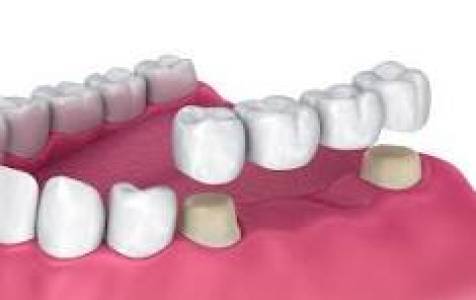
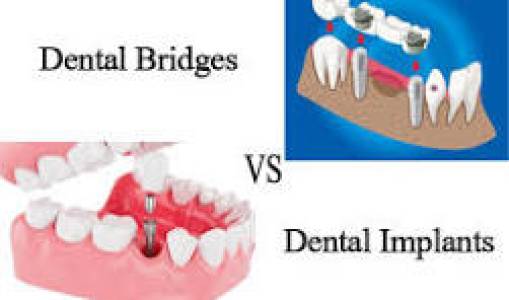
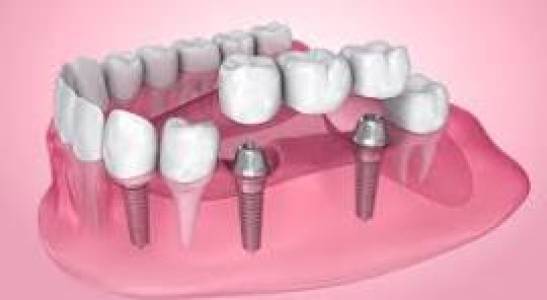
- Cost-Effective Long-Term: Saving your natural tooth is often more cost-effective than replacing it with a bridge, implant, or denture in the future.
- Maintains Aesthetics: Preserves your natural appearance and smile.
🎯 Is Root Canal Therapy Right For You?
You may require Root Canal Therapy if you experience any of the following symptoms:
- Severe toothache pain upon chewing or application of pressure.
- Prolonged sensitivity to hot or cold temperatures (after the heat or cold has been removed).
- Discoloration or darkening of the tooth.
- Swelling and tenderness in the surrounding gums.
- A persistent or recurring pimple-like lesion on the gums (dental fistula).
- Deep decay or an existing large filling that has been compromised.
- An injury to the tooth, such as a chip or crack.
A thorough examination, including X-rays, by our dental professional is necessary to accurately diagnose the condition and determine if a root canal is the appropriate treatment.
🛠️ The Procedure: What to Expect
Root Canal Therapy is typically completed in one or two appointments, depending on the severity of the infection and complexity of the case.
- Diagnosis & Anesthesia:
- We will confirm the diagnosis using X-rays and a clinical examination.
- Local anesthesia will be administered to numb the affected tooth and surrounding area, ensuring you are comfortable and pain-free throughout the procedure.
- Access Opening:
- A small access opening is created on the crown of the tooth to reach the pulp chamber and root canals.
- Pulp Removal & Cleaning:
- The infected or inflamed pulp is carefully removed from the pulp chamber and root canals using specialized dental instruments.
- The canals are meticulously cleaned, shaped, and disinfected to remove all bacteria and debris.
- Filling & Sealing:
- After the canals are thoroughly cleaned and disinfected, they are filled with a biocompatible, rubber-like material called gutta-percha.
- A dental adhesive sealer is used to ensure complete sealing of the root canals, preventing future bacterial contamination.
- Temporary Restoration:
- A temporary filling is placed in the access opening to protect the tooth until your permanent restoration.
- Final Restoration (Crown):
- In most cases, a crown is highly recommended after root canal therapy. This permanent restoration provides essential protection to the treated tooth, which can become brittle over time, preventing fractures and restoring its full function and aesthetic appeal. This will be completed in a separate appointment.
🩹 Post-Procedure Care & Recovery
- Mild Discomfort: It is normal to experience some mild sensitivity or soreness in the treated area for a few days following the procedure. This can usually be managed with over-the-counter pain relievers (e.g., ibuprofen).
- Avoid Chewing: Avoid chewing on the treated tooth until your permanent crown or filling is placed to prevent fracturing the tooth.
- Oral Hygiene: Continue with your regular oral hygiene routine, including brushing and flossing.
- Follow-Up: Attend all scheduled follow-up appointments, especially for the placement of your permanent crown.
✅ Why Choose Our Clinic?
- Experienced Professionals: Our highly skilled dentists and endodontists have extensive experience in performing successful root canal procedures.
- Advanced Technology: We utilize state-of-the-art equipment, including digital X-rays, rotary endodontic instruments, and magnification, for precise and efficient treatment.
- Patient Comfort: Your comfort is our priority. We offer gentle injection techniques, local anesthesia, and discuss sedation options to ensure a stress-free experience.
- Personalized Care: We take the time to explain every step of the procedure, answer your questions, and tailor treatment plans to your individual needs.
- Sterile Environment: Adherence to the highest standards of sterilization and infection control.
📞 Take the First Step Towards Pain-Free Living!
Don't let dental pain dictate your life. If you're experiencing symptoms of an infected tooth, it's crucial to seek professional dental care promptly. Root Canal Therapy can save your tooth, alleviate your pain, and restore your oral health.
Contact us today to schedule a consultation. Let us help you achieve a healthier, happier smile!
Disclaimer: The information provided is for general educational purposes only and does not constitute medical advice. Every patient's situation is unique, and results may vary. A personalized consultation with a qualified dental professional is essential to determine the most appropriate course of treatment for your specific needs.