Description
Root Canal Treatment: Save Your Natural Tooth & End Pain
Reclaim Your Comfort and Preserve Your Smile!
Experiencing persistent tooth pain, sensitivity, or swelling? You might be suffering from an infected or inflamed tooth pulp. Root Canal Treatment (RCT) is a highly effective, common, and often misunderstood procedure designed to alleviate your pain, eliminate infection, and save your natural tooth from extraction.
At [Your Dental Clinic Name], we specialize in providing gentle, precise, and comfortable root canal therapy, utilizing state-of-the-art technology and a patient-centered approach to restore your oral health and well-being.
What is Root Canal Treatment?
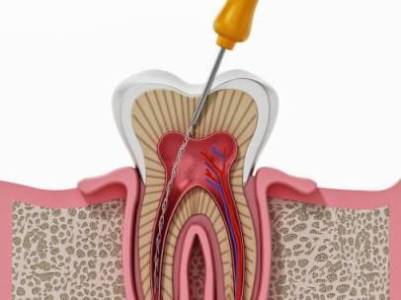
Root Canal Treatment is a dental procedure that removes infected or inflamed tissue (the pulp) from inside a tooth. The pulp contains nerves, blood vessels, and connective tissue, which can become damaged due to deep decay, trauma, cracks, or repeated dental procedures. Once the pulp is removed, the inside of the tooth is carefully cleaned, disinfected, shaped, and then filled and sealed, preserving the tooth's structure and preventing further infection.
Do You Need a Root Canal? Recognizing the Signs
It's crucial to seek dental attention if you experience any of the following symptoms, which may indicate the need for a root canal:
- Severe, persistent toothache: Especially when chewing or applying pressure.
- Prolonged sensitivity: To hot or cold temperatures, even after the stimulus is removed.
- Discoloration of the tooth: Darkening or graying of the affected tooth.
- Swelling and tenderness: In the surrounding gums, face, or neck.
- Pimples on the gums: A small, painful bump (fistula) that may periodically release pus.
- Referred pain: Pain that radiates to other parts of your head or jaw.
Common Causes of Pulp Damage:
- Deep decay that reaches the pulp chamber.
- Cracked or chipped teeth.
- Repeated dental procedures on the same tooth.
- Trauma to the tooth (e.g., a sports injury).
The Root Canal Process: A Step-by-Step Guide
Modern root canal therapy is far more comfortable and efficient than in the past, often completed in one or two appointments. Here's what you can expect:
- Diagnosis & Anesthesia:
- Your dentist will examine your tooth, take X-rays, and perform diagnostic tests to confirm the need for a root canal.
- Local anesthesia will be administered to numb the affected tooth and surrounding area, ensuring a pain-free procedure.
- Access Opening:
- A small opening is made through the crown of the tooth to access the pulp chamber and root canals.
- Cleaning & Shaping:
- Using specialized, flexible instruments (often rotary files), the infected or inflamed pulp is carefully removed from the pulp chamber and root canals.
- The canals are then thoroughly cleaned, disinfected, and shaped to prepare them for filling.
- Filling & Sealing:
- Once the canals are clean and dry, they are filled with a biocompatible, rubber-like material called gutta-percha.
- A special adhesive cement is used to seal the canals completely, preventing re-infection.
- Restoration:
- After the root canal is completed, a temporary filling is placed in the access opening.
- A permanent restoration (typically a dental crown) is crucial. This protects the treated tooth from fracture and restores its full function and aesthetic appearance. This final step is usually completed in a separate appointment.
Why Choose Root Canal Treatment? Unmatched Benefits
- Eliminates Pain & Infection: The primary goal is to relieve severe toothache and eradicate the infection, preventing its spread.
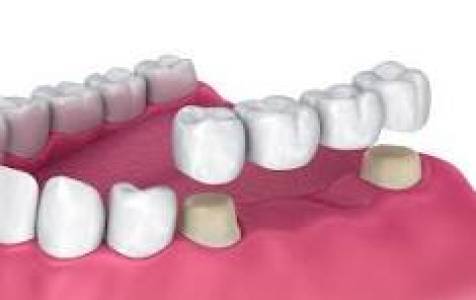
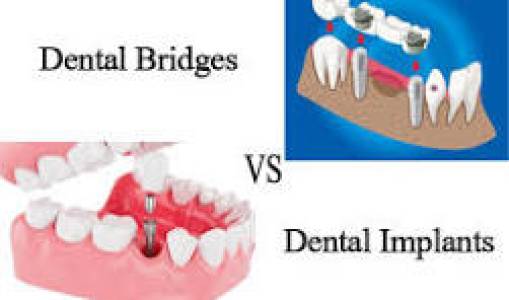
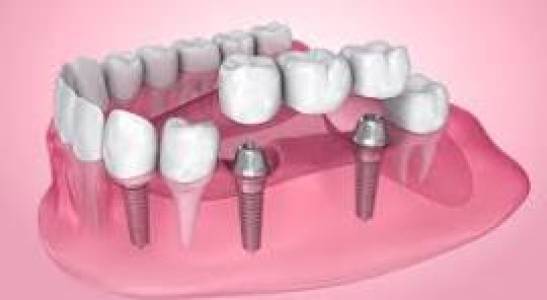
- Saves Your Natural Tooth: RCT allows you to keep your natural tooth, avoiding extraction and the need for artificial replacements like implants or bridges.
- Maintains Chewing Function: A restored tooth functions just like any other tooth, allowing you to chew efficiently and speak clearly.
- Preserves Facial Aesthetics: Keeping your natural tooth helps maintain your natural facial structure and smile.
- Prevents Shifting Teeth: An extracted tooth can lead to adjacent teeth shifting, causing bite problems and further dental issues.
- Cost-Effective Long-Term: While there's an initial investment, saving your tooth can often be more cost-effective than extraction followed by complex restorative procedures.
What to Expect: Before, During & After
- Before: We'll conduct a thorough examination and discuss your treatment plan, addressing any concerns you may have.
- During: Thanks to modern anesthesia and techniques, the procedure is typically no more uncomfortable than a standard filling. We prioritize your comfort throughout.
- After: You may experience mild sensitivity or discomfort for a few days, which can be managed with over-the-counter pain medication. It's vital to avoid chewing on the treated tooth until your permanent crown is placed. Maintain excellent oral hygiene, and attend all follow-up appointments.
Our Commitment to Your Comfort & Health
At [Your Dental Clinic Name], we understand that the thought of a root canal can be daunting. We are committed to making your experience as comfortable and stress-free as possible through:
- Experienced Endodontic Care: Our dentists are highly skilled in advanced root canal techniques.
- Advanced Technology: We utilize modern equipment like digital X-rays and rotary instruments for precision and efficiency.
- Gentle Approach: We prioritize patient comfort with effective pain management and a compassionate chairside manner.
- Clear Communication: We explain every step, ensuring you feel informed and confident about your treatment.
Frequently Asked Questions (FAQs)
Q: Is root canal treatment painful? A: No! With modern anesthetics and techniques, root canal treatment is typically pain-free during the procedure itself. Its primary purpose is to relieve the severe pain caused by an infected tooth. You might experience some mild soreness afterward, similar to a deep filling, which is manageable with over-the-counter pain relievers.
Q: How long does a root canal take? A: The procedure typically takes between 60 to 90 minutes per tooth, depending on the complexity of the tooth's root canal system. Some cases may require two appointments.
Q: How successful is root canal treatment? A: Root canal treatment has a very high success rate, often exceeding 90-95%. With proper care and a permanent restoration (crown), a treated tooth can last a lifetime.
Q: What happens if I don't get a root canal? A: If left untreated, the infection can spread to other parts of your body, leading to more severe pain, swelling, bone loss around the tooth, and eventually, the loss of the tooth itself.
Q: Will I need a crown after a root canal? A: In most cases, yes. A tooth that has undergone root canal therapy becomes more brittle and susceptible to fracture. A dental crown provides essential protection, strength, and restores the tooth's appearance and function.
Reclaim Your Comfort & Smile!
Don't let tooth pain dictate your life. If you're experiencing symptoms of an infected tooth or have been advised to get a root canal, contact [Your Dental Clinic Name] today. Our compassionate team is here to provide expert care and help you achieve lasting relief and a healthy smile.
Call us at: [Your Phone Number] Visit us at: [Your Website/Address] [Optional: Book an appointment online link]
Disclaimer: This information is for general educational purposes only and does not constitute medical advice. Please consult with a qualified dental professional for personalized diagnosis and treatment recommendations.