Description
Here's a detailed product description for "Root Canal" in Markdown format, suitable for a dental practice's website or patient information portal.
Root Canal Therapy: Restore Health, Preserve Your Smile
Say Goodbye to Pain. Save Your Natural Tooth.
A Root Canal Treatment (also known as Endodontic Therapy) is a highly effective and common dental procedure designed to alleviate pain, eliminate infection, and save a tooth that is severely decayed or infected. Far from the scary reputation it once held, modern root canal therapy is typically a comfortable and successful treatment that allows you to maintain your natural smile and avoid tooth extraction.
What is a Root Canal?
Inside each tooth, beneath the hard enamel and dentin layers, is a soft tissue called the pulp. The pulp contains blood vessels, nerves, and connective tissue, and is vital for the tooth's growth and development. However, once a tooth is fully mature, it can survive without the pulp, as it continues to be nourished by the surrounding tissues.
When the pulp becomes inflamed, infected, or damaged due to deep decay, repeated dental procedures, cracks, chips, or trauma, it can lead to significant pain and potentially an abscess (a pus-filled pocket) at the root tip. A root canal procedure involves:
- Removing the infected or inflamed pulp.
- Cleaning and shaping the inside of the root canal.
- Filling and sealing the space to prevent future infection.
Key Benefits of Root Canal Therapy:
- Eliminates Pain: The most immediate and significant benefit is relief from the severe toothache caused by inflamed or infected pulp.
- Saves Your Natural Tooth: Prevents the need for tooth extraction, allowing you to keep your original tooth, which is always the best option for chewing efficiency and maintaining proper bite alignment.
- Prevents Spread of Infection: Stops the infection from spreading to other teeth, gums, or even into the jawbone and bloodstream.
- Restores Chewing Function: Once restored, the treated tooth can function normally, allowing you to eat your favorite foods without discomfort.
- Maintains Facial Aesthetics: Preserving your natural tooth helps maintain the natural alignment of your teeth and preserves your facial structure.
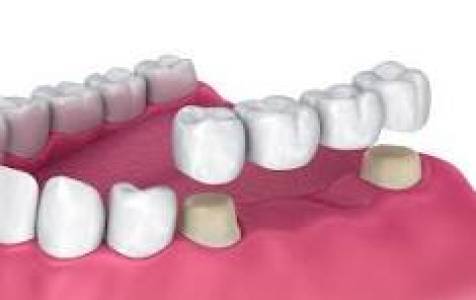
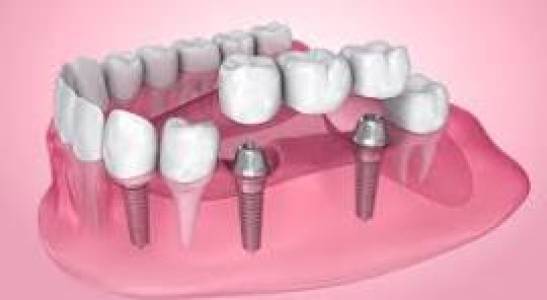
- Cost-Effective in the Long Run: Often a more economical solution than extraction followed by a bridge or dental implant.
Who Needs a Root Canal? (Indications)
You might be a candidate for root canal therapy if you experience any of the following symptoms:
- Severe Toothache: Especially when chewing or applying pressure.
- Lingering Sensitivity: Pain that persists after exposure to hot or cold temperatures.
- Swelling and Tenderness: In the surrounding gums, face, or neck.
- Pimple-Like Bump: On the gums near the affected tooth (a sign of an abscess).
- Discoloration: Darkening of the tooth.
- Deep Decay: An X-ray might reveal decay extending into the pulp chamber.
- Trauma: A chip or crack that has exposed the pulp.
The Procedure: What to Expect Step-by-Step
Our team is dedicated to making your root canal experience as comfortable and stress-free as possible. The procedure typically involves 1-2 visits and includes:
- Diagnosis & Anesthesia:
- We will take X-rays and perform a thorough examination to confirm the diagnosis.
- Local anesthesia will be administered to numb the tooth and surrounding area, ensuring you feel no pain during the procedure.
- Access Opening:
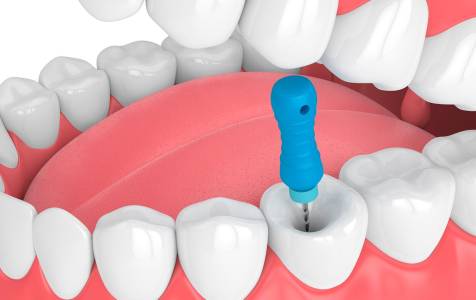
- A small opening is made through the crown of the tooth to access the pulp chamber and root canals.
- Pulp Removal & Cleaning:
- The infected or damaged pulp is carefully removed using specialized instruments.
- The root canals are thoroughly cleaned, shaped, and disinfected to remove all bacteria and debris.
- Filling & Sealing:
- Once cleaned, the canals are filled with a biocompatible material, typically a rubber-like compound called gutta-percha.
- An adhesive cement is used to seal the canals completely, preventing re-infection.
- Temporary Filling:
- A temporary filling is placed in the access opening to protect the tooth until the final restoration.
- Final Restoration (Crown):
- In most cases, a dental crown is highly recommended or required after a root canal. This permanent restoration protects the treated tooth from fracture, restores its strength, and seals it completely. This usually occurs during a separate appointment after the root canal is complete.
Post-Treatment Care & Longevity
- Initial Recovery: You may experience some mild soreness or sensitivity for a few days after the procedure, which can typically be managed with over-the-counter pain relievers.
- Oral Hygiene: Continue to practice excellent oral hygiene, including regular brushing and flossing.
- Follow-Up: It is crucial to return for your final restoration (crown) as recommended to ensure the long-term success of the treatment.
- Longevity: With proper care and good oral hygiene, a tooth treated with a root canal and restored with a crown can last a lifetime.
Our Commitment to Your Comfort
We understand that the idea of a root canal can be daunting. Our practice prioritizes:
- Gentle Techniques: Using advanced local anesthetics and techniques to ensure a pain-free experience.
- Advanced Technology: Employing modern equipment such as digital X-rays and specialized instruments for precise and efficient treatment.
- Patient Education: Clearly explaining every step of the process and answering all your questions.
- Compassionate Care: Our team is dedicated to your comfort and well-being throughout your visit.
Ready to Find Relief?
Don't let tooth pain or infection compromise your oral health. If you are experiencing symptoms that suggest you might need a root canal, please don't hesitate to contact us. Our experienced dental team is here to provide an accurate diagnosis and discuss your best treatment options.
Click Here to Schedule Your Consultation or Call Us Today at [Your Phone Number]
Important Considerations:
- Individual results and recovery times may vary.
- A thorough examination and diagnosis by a qualified dental professional are essential to determine the most appropriate treatment plan for your specific condition.