Description
Dental Crown: Restore Your Smile, Protect Your Health
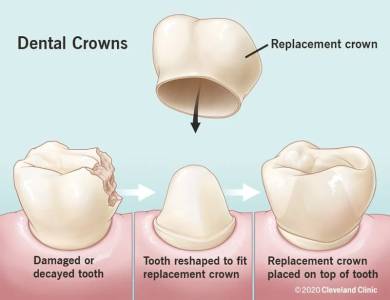
A dental crown, often referred to as a "cap," is a custom-fitted restoration that completely covers a damaged or weakened tooth above the gum line. It acts like a protective helmet, restoring the tooth's original size, shape, strength, and appearance. Designed to blend seamlessly with your natural teeth, a dental crown offers a durable and aesthetic solution for a variety of dental concerns.
When You Might Need a Dental Crown
Your dentist may recommend a dental crown for several reasons, including:
- To protect a weak tooth from fracturing or to hold together parts of a cracked tooth.
- To restore an already broken tooth or a tooth severely worn down.
- To cover and support a tooth with a large filling when there isn't much tooth structure remaining.
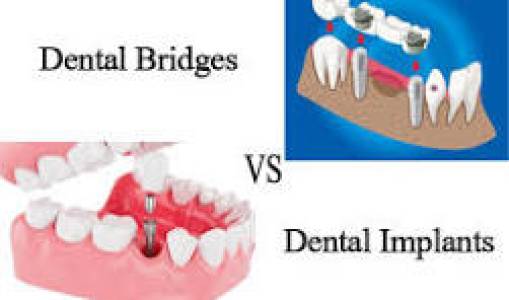
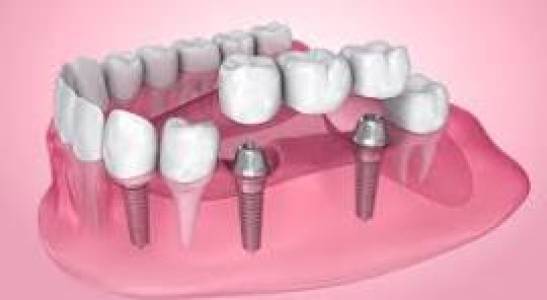
- To cover a dental implant.
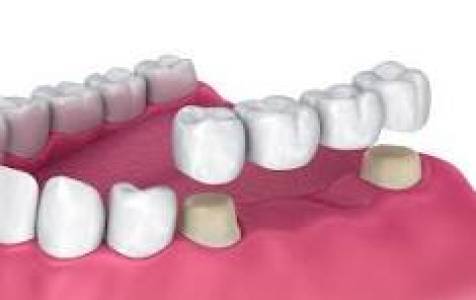
- To hold a dental bridge in place.
- To cover misshapen or severely discolored teeth for cosmetic enhancement.
- After a root canal treatment to protect the treated tooth, which can become brittle.
The Transformative Benefits of Dental Crowns
Choosing a dental crown offers numerous advantages for your oral health and overall well-being:
- Restored Strength & Function: Allows you to chew and speak comfortably again, preventing further damage to the compromised tooth.
- Enhanced Aesthetics: Crowns are custom-made to match the color, shape, and size of your surrounding teeth, providing a natural, beautiful smile.
- Protection: Guards vulnerable teeth against further decay, fracture, or damage.
- Durability & Longevity: With proper care, crowns can last for many years, providing a long-term solution.
- Comfort: Eliminates sensitivity and discomfort often associated with damaged or fractured teeth.
- Improved Oral Health: By restoring individual teeth, crowns contribute to the overall health and stability of your bite.
Types of Dental Crowns (Materials)
The choice of crown material depends on factors such as the tooth's location in the mouth, bite forces, aesthetic preferences, and budget. Common types include:
1. All-Ceramic / All-Porcelain Crowns
- Description: Made entirely of porcelain or ceramic material.
- Benefits: Excellent natural appearance, ideal for front teeth. Metal-free, suitable for patients with metal allergies.
- Considerations: Modern ceramics are very strong, though historically, they were less durable than metal.
2. Zirconia Crowns
- Description: A highly durable and biocompatible ceramic material.
- Benefits: Exceptional strength, excellent aesthetics, highly resistant to chipping and fracture. A popular option for both front and back teeth.
- Considerations: Can be more opaque than E-max, though advancements are improving translucency.
3. E-max Crowns (Lithium Disilicate)
- Description: A type of all-ceramic crown known for its superior strength and delicate, natural translucency.
- Benefits: Outstanding aesthetics, very strong despite its beauty. Often preferred for anterior (front) teeth.
- Considerations: Not as strong as zirconia or metal for heavy bite forces on molars.
4. Porcelain Fused to Metal (PFM) Crowns
- Description: A metal substructure covered with a layer of porcelain.
- Benefits: Good strength and aesthetics, a common and reliable choice.
- Considerations: May show a dark line at the gum line over time as gums recede. Requires more tooth reduction than all-metal.
5. All-Metal Crowns (Gold or Base-Metal Alloys)
- Description: Made from gold alloy, palladium, nickel, or chromium.
- Benefits: Extremely strong, durable, highly resistant to wear and fracture. Requires less tooth removal than other types.
- Considerations: Metallic color, typically used for molars where aesthetics are less of a concern. Can cause wear on opposing teeth if not properly adjusted.
The Dental Crown Process: What to Expect
The placement of a dental crown typically involves two appointments:
Appointment 1: Preparation & Impression
- Diagnosis & Planning: Your dentist will thoroughly examine your tooth, take X-rays, and discuss the best crown option for your needs.
- Anesthesia: The tooth and surrounding gum tissue will be numbed for your comfort.
- Tooth Preparation: The tooth is carefully reshaped (filed down) to create enough space for the crown to fit over it without appearing bulky.
- Impressions: Accurate impressions (molds) of your prepared tooth and opposing teeth are taken. These are sent to a dental lab where your custom crown will be fabricated. Digital impressions may also be used.
- Temporary Crown: A temporary crown is placed to protect the prepared tooth and maintain aesthetics while your permanent crown is being made.
Appointment 2: Permanent Crown Placement
- Temporary Removal: The temporary crown is carefully removed.
- Fitting & Adjustment: Your dentist will check the fit, bite, and color of your new permanent crown. Any necessary adjustments are made to ensure a perfect fit and comfortable bite.
- Bonding: Once perfect, the crown is permanently cemented or bonded onto your tooth.
- Final Polish: The crown is polished, and your bite is re-checked to ensure optimal function and comfort.
Care & Longevity for Your Dental Crown
With proper care, a dental crown can last 5 to 15 years, or even longer. To maximize the lifespan of your crown:
- Maintain Excellent Oral Hygiene: Brush twice daily and floss around your crown just like your natural teeth to prevent plaque buildup and gum disease.
- Regular Dental Check-ups: Visit your dentist for routine cleanings and examinations. This allows your dentist to monitor your crown and overall oral health.
- Avoid Hard Foods: Be cautious with extremely hard or sticky foods (e.g., ice, hard candies, caramel) that could potentially chip, fracture, or dislodge your crown.
- Address Teeth Grinding (Bruxism): If you grind or clench your teeth, your dentist may recommend a custom-made nightguard to protect your crown and natural teeth from excessive force.
Your Investment in a Healthier Smile
The cost of a dental crown varies based on the material used, the complexity of the case, and your geographic location. While it represents an investment, a crown is a long-term solution that protects your oral health, restores function, and enhances your quality of life. Many dental insurance plans offer coverage for a portion of the cost. We recommend discussing your options with our administrative team.
Why Choose [Your Clinic Name] for Your Dental Crown?
At [Your Clinic Name], we are dedicated to providing exceptional dental care using state-of-the-art technology and a patient-centered approach. Our experienced team ensures precise crown placement, natural-looking results, and a comfortable experience. We take the time to explain your options and answer all your questions, empowering you to make informed decisions about your oral health.
Ready to restore your smile and protect your oral health? Contact us today to schedule your consultation for a dental crown!
[Phone Number] | [Website Link] | [Email Address] [Your Clinic Address]
Disclaimer: The information provided in this product description is for general informational purposes only and does not constitute medical advice. Individual results may vary. Please consult with a qualified dental professional to determine the best treatment options for your specific needs and to discuss any potential risks or benefits.