Description
Here's a detailed product description for Dental Bridges, formatted in Markdown:
Restore Your Smile & Function with Custom Dental Bridges
Say Goodbye to Gaps and Hello to a Confident Smile!
Missing a tooth or several teeth can impact more than just your appearance. It can affect your ability to chew and speak properly, cause surrounding teeth to shift, and even lead to bone loss in your jaw. At [Your Practice Name/Our Clinic], we offer high-quality, custom-crafted dental bridges – a durable and aesthetically pleasing solution to seamlessly restore your smile and oral health.
What is a Dental Bridge?
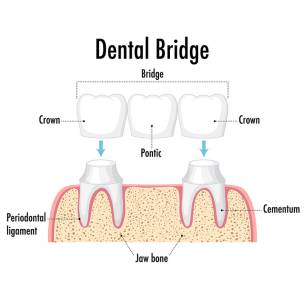
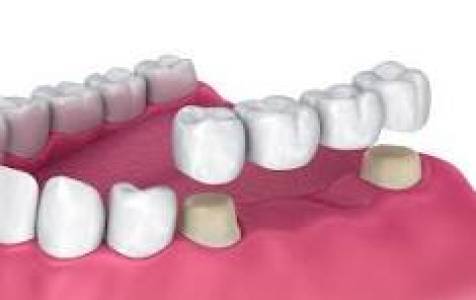
A dental bridge is a fixed prosthetic device designed to "bridge" the gap created by one or more missing teeth. It consists of an artificial tooth (or teeth), called a pontic, which is held in place by dental crowns placed on the natural teeth on either side of the gap. These anchoring teeth are called abutment teeth. Unlike removable partial dentures, dental bridges are permanently cemented into place, offering a stable and natural-feeling restoration.
Why Choose a Dental Bridge? Benefits & Advantages:
- Seamless Smile Restoration: Fills the gap, preventing surrounding teeth from shifting and maintaining your facial structure.
- Improved Chewing & Speech: Restores your ability to eat a wide variety of foods and speak clearly without impediment.
- Enhanced Aesthetics: Crafted to match the color, shape, and size of your natural teeth, providing a beautiful and natural-looking smile.
- Durable & Long-Lasting: With proper care, dental bridges can last 5 to 15 years, or even longer.
- Fixed Solution: Unlike removable dentures, bridges are permanently cemented, offering superior stability and convenience – no daily removal or special adhesives needed.
- Prevents Shifting Teeth: Keeps adjacent teeth from drifting into the open space, which can lead to bite problems and further dental issues.
- Boosted Confidence: Reclaim your self-esteem with a complete and healthy-looking smile.
Types of Dental Bridges We Offer:
We provide various types of dental bridges to suit your specific needs and oral health situation:
- Traditional Bridges:
- The most common type.
- Consist of one or more pontics held in place by crowns cemented onto the abutment teeth on either side of the gap.
- Requires preparation (reshaping) of the adjacent natural teeth to accommodate the crowns.
- Ideal when you have healthy natural teeth surrounding the gap.
- Cantilever Bridges:
- Used when there is only one natural tooth adjacent to the missing tooth space.
- The pontic is supported by a crown on only one abutment tooth.
- Less common for back teeth due to the potential for increased stress on the single abutment tooth.
- Maryland (Resin-Bonded) Bridges:
- A more conservative option, often used for front teeth.
- Consists of a pontic with metal or porcelain "wings" extending from its sides.
- These wings are bonded to the back surface of the adjacent natural teeth, requiring minimal to no tooth preparation.
- Best for gaps where the adjacent teeth are very healthy and do not need crowns.
- Implant-Supported Bridges:
- Considered the strongest and most durable option.
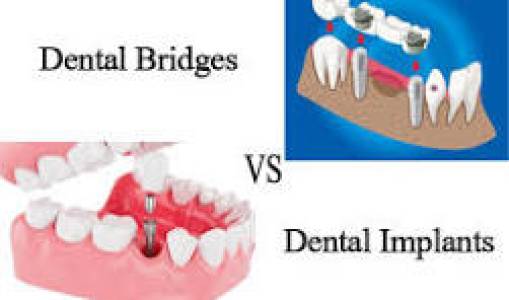
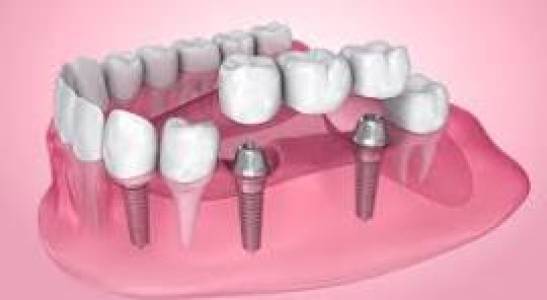
- Instead of relying on natural teeth, the bridge is supported by dental implants surgically placed into the jawbone.
- Typically used when more than one tooth is missing, and there aren't strong natural teeth to support a traditional bridge.
- Does not require altering healthy adjacent teeth.
Materials Used for Your Dental Bridge:
Our bridges are crafted from high-quality, biocompatible materials chosen for their durability, strength, and aesthetic appeal:
- Porcelain Fused to Metal (PFM): Offers a strong metallic base covered with porcelain for a natural tooth appearance. A popular choice providing both strength and aesthetics.
- All-Ceramic/All-Porcelain: Provides the most natural look and is completely metal-free. Excellent for front teeth where aesthetics are paramount.
- Zirconia: An incredibly strong, biocompatible ceramic material that offers exceptional durability and a natural, translucent appearance. Ideal for both front and back teeth, especially for those who need extra strength.
The Dental Bridge Procedure: What to Expect
The process of getting a dental bridge typically involves two visits:
- First Visit – Preparation:
- Your dentist will examine your teeth and gums to ensure a bridge is the right solution.
- The abutment teeth (on either side of the gap) will be carefully reshaped to create space for the crowns.
- Impressions of your teeth will be taken to create a precise model. This model is sent to a dental lab where your custom bridge will be fabricated.
- A temporary bridge will be placed to protect your prepared teeth and maintain aesthetics while your permanent bridge is being made.
- Second Visit – Placement:
- The temporary bridge is removed.
- Your permanent, custom-made bridge is carefully placed and checked for proper fit, bite, and aesthetics.
- Any necessary adjustments are made.
- Once perfected, the bridge is permanently cemented or bonded into place.
Caring for Your Dental Bridge:
With proper care, your dental bridge can last for many years. We recommend:
- Maintain Excellent Oral Hygiene: Brush twice a day and floss daily. Pay special attention to cleaning under the pontic using a floss threader, interdental brush, or water flosser to remove food particles and plaque.
- Regular Dental Check-ups: Schedule routine check-ups and cleanings every six months to ensure the health of your bridge and surrounding teeth and gums.
- Avoid Hard/Sticky Foods: While durable, avoid chewing on extremely hard foods (ice, hard candies) or very sticky foods that could potentially dislodge or damage the bridge.
- Address Issues Promptly: If you notice any discomfort, looseness, or damage to your bridge, contact us immediately.
Are You a Candidate for a Dental Bridge?
If you are missing one or more teeth and have healthy natural teeth on either side of the gap (or are considering dental implants for support), you may be an excellent candidate for a dental bridge. During your comprehensive consultation, our dental team will assess your oral health, discuss your aesthetic goals, and determine the best solution for your unique situation.
Investment in Your Smile: Cost Factors
The cost of a dental bridge varies depending on several factors, including:
- The number of teeth being replaced.
- The type of bridge chosen (traditional, Maryland, implant-supported, etc.).
- The materials used (PFM, all-ceramic, zirconia).
- Any additional treatments required (e.g., fillings, gum therapy).
- Your geographical location.
We will provide a detailed treatment plan and transparent cost estimate during your consultation. We also work with various insurance providers and offer flexible payment options to make your treatment accessible.
Ready to Reclaim Your Confident Smile?
Don't let missing teeth compromise your oral health or self-esteem any longer. A dental bridge can be the perfect solution to restore your smile's beauty and functionality.
Contact [Your Practice Name] today to schedule your personalized consultation!
- Phone: [Your Phone Number]
- Email: [Your Email Address]
- Website: [Your Website URL]
- Address: [Your Clinic Address]
Disclaimer: The information provided is for general educational purposes only and does not constitute medical advice. Always consult with a qualified dental professional for diagnosis and treatment recommendations tailored to your individual needs.