Description
Root Canal Treatment (RCT): Advanced Endodontic Care
Save Your Natural Tooth & End Dental Pain
Are you experiencing severe tooth pain, prolonged sensitivity, or a persistent ache that's impacting your daily life? Root Canal Treatment (RCT), also known as an endodontic procedure, is a highly effective and common dental treatment designed to save a natural tooth that has become infected or severely damaged.
Often misunderstood and feared, modern RCT is a virtually painless procedure that can bring significant relief, prevent further complications, and allow you to retain your natural smile and biting function for years to come.
Why is Root Canal Treatment Needed?
Deep inside your tooth lies the pulp – a soft tissue containing nerves, blood vessels, and connective tissue. When this pulp becomes infected or inflamed due to deep decay, repeated dental procedures, cracks or chips in the tooth, or trauma, it can lead to severe pain and, if left untreated, can result in an abscess, bone loss, and eventually the loss of the tooth itself.
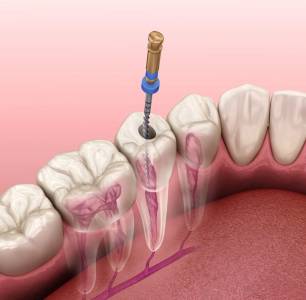
RCT is necessary to remove the infected or inflamed pulp, clean and disinfect the inside of the tooth, and then fill and seal it to prevent future infection.
Key Benefits of Root Canal Treatment
- Eliminate Pain & Infection: The primary goal is to remove the source of infection, providing immediate and lasting relief from severe toothaches and preventing the spread of bacteria to other parts of your body.
- Save Your Natural Tooth: RCT is a tooth-saving procedure, offering a valuable alternative to extraction. Keeping your natural tooth preserves your chewing efficiency, speech, and the natural alignment of your other teeth.
- Prevent Further Damage: By treating the infection, RCT prevents bone loss in the jaw, gum disease, and potential damage to adjacent healthy teeth.
- Restore Oral Function: After successful treatment and proper restoration (often with a dental crown), your tooth will function normally for biting and chewing.
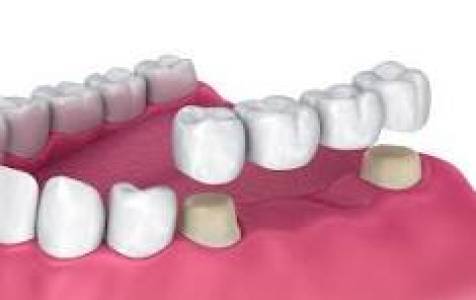
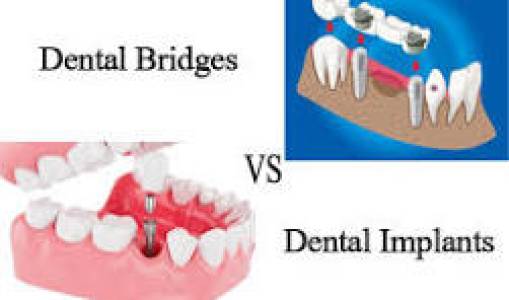
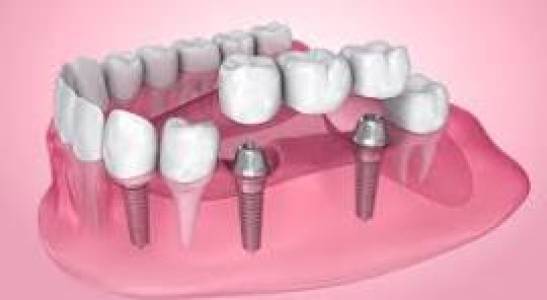
- Maintain Your Smile: Retaining your natural tooth helps preserve the natural aesthetics of your smile and avoids the need for more complex and costly solutions like bridges or dental implants.
When is RCT Recommended? (Indications)
You might be a candidate for Root Canal Treatment if you experience:
- Persistent and severe toothache, especially when chewing or applying pressure.
- Prolonged sensitivity to hot or cold temperatures, even after the source is removed.
- Swelling and tenderness in the surrounding gums.
- A small, pimple-like bump on the gums near the infected tooth (a fistula or abscess).
- Discoloration or darkening of the tooth.
- Deep decay or a crack/chip in the tooth that has reached the pulp.
- Pain that wakes you up at night.
Our Root Canal Treatment Process
At [Your Clinic Name/Our Dental Practice], your comfort and successful outcome are our top priorities. We utilize advanced techniques and technology to make your RCT experience as smooth and comfortable as possible. The process typically involves:
- Diagnosis & Planning: A thorough examination, including digital X-rays and possibly 3D imaging, to accurately confirm the infection, assess its extent, and plan your personalized treatment.
- Local Anesthesia: We administer a powerful local anesthetic to ensure the entire area around the tooth is completely numb, making the procedure pain-free.
- Isolation: A rubber dam (a thin sheet of latex or non-latex material) is carefully placed around the tooth to isolate it from saliva and maintain a clean, sterile environment during treatment.
- Access Opening: A small access opening is created in the crown of the tooth, allowing us to reach the pulp chamber and root canals.
- Cleaning & Shaping: Using specialized, flexible instruments (often rotary files), the infected pulp, bacteria, and debris are meticulously removed from the root canals. The canals are then thoroughly cleaned, disinfected, and carefully shaped for filling.
- Filling & Sealing: The cleaned and shaped canals are then filled with a biocompatible, rubber-like material called gutta-percha, along with an adhesive sealer, to completely seal them and prevent re-infection.
- Temporary Restoration: A temporary filling is placed in the access opening to protect the tooth until your final restoration.
- Final Restoration (Crown/Filling): In most cases, a dental crown or a permanent filling is highly recommended after RCT. This final restoration is crucial to protect the treated tooth from fracture (as it can become more brittle) and to restore its full function, strength, and aesthetic appearance. This is typically done in a separate appointment.
What to Expect
- Before: We'll thoroughly discuss the procedure, answer all your questions, and ensure you feel comfortable and fully informed about every step.
- During: With modern anesthetics, the procedure itself is typically no more uncomfortable than receiving a standard filling. Our compassionate team will ensure you feel at ease throughout.
- After: It's normal to experience some mild soreness, tenderness, or sensitivity for a few days, which can be effectively managed with over-the-counter pain relievers. Follow our specific post-operative instructions carefully for optimal healing.
Post-Treatment Care & Maintenance
To ensure the long-term success and health of your root canal treated tooth:
- Avoid Chewing: Do not chew or bite on the treated tooth until your final restoration (crown or permanent filling) has been placed.
- Oral Hygiene: Maintain excellent oral hygiene by brushing twice daily and flossing once daily.
- Regular Check-ups: Attend regular dental check-ups and cleanings as recommended.
- Follow Instructions: Adhere to all specific post-operative care instructions provided by our dental team.
Ready for Relief?
Don't let dental pain dictate your life. If you suspect you may need a Root Canal Treatment or are experiencing any concerning symptoms, contact [Your Clinic Name] today to schedule a consultation. Our experienced endodontic team is dedicated to providing compassionate, effective care to alleviate your pain and help you regain your optimal oral health.
[Your Clinic Phone Number] [Your Clinic Website] [Your Clinic Address]