Description
Root Canal Therapy: Restore Health, Relieve Pain, Save Your Natural Tooth
Don't Let Tooth Pain Dictate Your Life!
Experiencing severe toothache, persistent sensitivity, or facial swelling? These could be signs of an infected tooth pulp, requiring immediate attention. Root Canal Therapy, also known as Endodontic Treatment, is a highly effective and common procedure designed to alleviate pain, eliminate infection, and save your natural tooth from extraction.
What is a Root Canal?
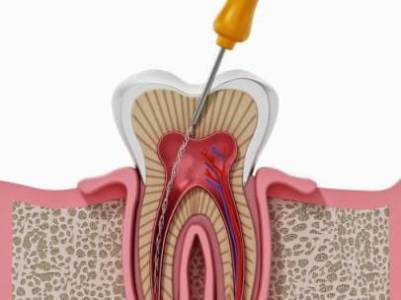
At its core, a root canal is a dental procedure that involves carefully removing the infected or inflamed pulp (the soft tissue inside your tooth containing nerves and blood vessels), thoroughly cleaning and disinfecting the inside of the tooth, and then filling and sealing it to prevent future infection. This treatment allows you to retain your natural tooth, maintaining your bite and smile.
Who Needs a Root Canal? (Indications)
You might be a candidate for root canal therapy if you experience any of the following symptoms or conditions:
- Persistent Tooth Pain: Ranging from mild discomfort to severe, spontaneous pain, especially when chewing or biting.
- Prolonged Sensitivity: Lingering sensitivity to hot or cold temperatures, even after the source is removed.
- Gum Swelling/Tenderness: Swollen, tender gums near the affected tooth.
- Pimple-Like Lesion on the Gums: A recurring or persistent "pimple" (fistula) on the gums, which indicates an infection draining from the tooth.
- Tooth Discoloration: Darkening of the tooth, which can signify nerve damage.
- Deep Decay: Extensive tooth decay that has reached the pulp chamber.
- Cracked or Chipped Tooth: A fracture that has exposed the pulp.
- Trauma: An injury to the tooth that has damaged the pulp, even if there's no visible crack.
Key Benefits of Root Canal Therapy
Opting for a root canal offers numerous advantages over tooth extraction:
- Immediate Pain Relief: Eliminates the source of your severe toothache.
- Saves Your Natural Tooth: Preserves your original tooth, preventing the need for costly bridges, implants, or dentures.
- Prevents Spread of Infection: Stops the bacterial infection from spreading to other teeth, gums, and potentially other parts of your body.
- Restores Chewing Function: Allows you to continue eating your favorite foods without discomfort.
- Maintains Natural Appearance: Keeps your smile intact and natural-looking.
- Cost-Effective in the Long Run: Often more economical than replacing an extracted tooth.
- Maintains Jaw Bone Health: Helps preserve the bone structure surrounding the tooth.
The Root Canal Procedure: What to Expect
Modern root canal therapy is a routine and generally comfortable procedure, often completed in one or two visits.
- Diagnosis and Anesthesia: Your dentist will take X-rays and conduct tests to confirm the diagnosis. Local anesthesia will be administered to numb the affected tooth and surrounding area, ensuring you feel no pain during the procedure.
- Isolation: A small protective sheet called a dental dam will be placed around the tooth to keep it clean, dry, and free from saliva during the treatment.
- Access Opening: A small opening is made in the crown of the tooth to access the pulp chamber and root canals.
- Cleaning and Shaping: Tiny, specialized instruments are used to carefully remove the infected pulp tissue, bacteria, and debris from the root canals. The canals are then cleaned, disinfected, and shaped to prepare them for filling.
- Filling and Sealing: Once the canals are thoroughly cleaned and dried, they are filled with a biocompatible, rubber-like material called gutta-percha, which is sealed with an adhesive cement to prevent re-infection.
- Temporary Filling: A temporary filling is placed in the access opening to protect the tooth until the final restoration.
- Final Restoration (Crown): In most cases, a crown or other permanent restoration will be necessary to protect the treated tooth from future fracture and restore its full function. This usually occurs during a separate follow-up appointment.
Post-Treatment Care and Recovery
After your root canal, it's normal to experience some mild sensitivity or soreness for a few days, which can typically be managed with over-the-counter pain relievers.
- Avoid chewing on the treated tooth until your permanent crown or filling is placed.
- Maintain excellent oral hygiene with regular brushing and flossing.
- Attend your follow-up appointments for the final restoration.
- With proper care, a tooth treated with a root canal can last a lifetime.
Frequently Asked Questions
- Is a root canal painful? No! With modern anesthetics and techniques, a root canal is typically no more uncomfortable than a routine filling. The goal of the procedure is to relieve pain, not cause it.
- How long does a root canal take? A single visit can range from 30 to 90 minutes, depending on the tooth's complexity and the number of canals. Some cases may require two appointments.
- Do I always need a crown after a root canal? Most teeth, especially molars and premolars, require a crown to protect them from fracture after root canal treatment, as they can become more brittle. Your dentist will advise you on the best restoration for your specific tooth.
Don't Delay, Get Relief Today!
If you're suffering from tooth pain or suspect you might need a root canal, early diagnosis and treatment are crucial to save your tooth and prevent further complications.
Contact us today to schedule a comprehensive examination and consultation. Our experienced team is dedicated to providing gentle, effective, and comfortable root canal therapy to restore your oral health and bring back your pain-free smile.