Description
Here is a detailed product description for Root Canal Therapy, formatted in Markdown:
Root Canal Therapy: Save Your Smile, Relieve Your Pain
Don't let severe tooth pain dictate your life or compromise your oral health. Root Canal Therapy (RCT), also known as endodontic treatment, is a highly effective, modern dental procedure designed to save a tooth that has become infected or severely damaged, relieving excruciating pain and preventing the need for extraction. Often misunderstood, today's root canal treatments are remarkably comfortable and successful, thanks to advanced techniques and anesthesia.
What is a Root Canal?
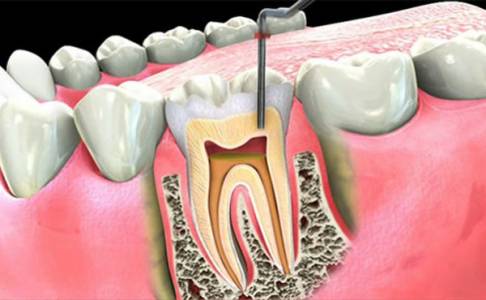
A root canal is a treatment to remove infection and protect the tooth from future bacterial invasion. The procedure involves cleaning out the infected or inflamed pulp (the soft tissue inside your tooth containing nerves and blood vessels), disinfecting the root canal system, and then filling and sealing it. This process allows you to keep your natural tooth, maintaining your bite and smile.
Key Features & Benefits:
- Immediate Pain Relief: Eliminates the source of agonizing tooth pain and sensitivity, allowing you to return to comfort and normalcy.
- Saves Your Natural Tooth: Prevents the need for extraction, preserving your natural bite, chewing ability, and facial aesthetics. This is crucial for maintaining overall oral health and avoiding potential future complications associated with tooth loss (e.g., shifting teeth, bone loss).
- Stops Infection Spread: Thoroughly clears bacteria and infected pulp, preventing the infection from spreading to adjacent teeth, gums, jawbone, or even other parts of your body.
- Durable & Long-Lasting: With proper restoration (often a dental crown) and good oral hygiene, a root canal-treated tooth can last a lifetime.
- Maintains Your Smile: Avoids gaps in your smile that can occur with extractions, preserving your natural appearance and confidence.
- Efficient Chewing Function: Restores your ability to chew normally and comfortably on the treated tooth, allowing you to enjoy your favorite foods without discomfort.
Who Can Benefit? (Indications for Root Canal Therapy)
You might need a root canal if you experience:
- Severe toothache when chewing or applying pressure.
- Prolonged sensitivity to hot or cold temperatures, even after the source is removed.
- Darkening or discoloration of the tooth.
- Swelling and tenderness in the surrounding gums.
- A recurring or persistent pimple-like bump on the gums (fistula), indicating an abscess.
- Chipped or cracked tooth with visible pulp exposure or signs of infection.
- Deep decay that has reached the pulp chamber.
The Procedure: A Step-by-Step Overview
Modern root canal therapy is typically performed in one or two appointments and is a relatively comfortable experience, similar to receiving a routine filling.
- Diagnosis & Anesthesia: Your dentist will take X-rays and perform a thorough examination to confirm the diagnosis. Local anesthesia is then administered to numb the tooth and surrounding area, ensuring a pain-free experience.
- Access Opening: A small opening is made through the crown of the tooth to access the infected pulp chamber and root canals.
- Pulp Removal & Cleaning: The infected or inflamed pulp is carefully removed from the pulp chamber and root canals. The canals are then meticulously cleaned, shaped, and disinfected using specialized instruments and solutions to eliminate bacteria.
- Filling & Sealing: The cleaned and shaped canals are filled with a biocompatible, rubber-like material called gutta-percha. This material is compacted into the canals and then sealed with an adhesive cement to prevent reinfection.
- Temporary or Permanent Restoration: A temporary filling is usually placed to protect the tooth until the next appointment. In most cases, a permanent restoration, typically a dental crown, will be recommended and placed during a subsequent visit to provide strength, protection, and restore the tooth's full function and appearance.
What to Expect
- Before Your Procedure: A comprehensive consultation, digital X-rays, and a clear explanation of your treatment plan, ensuring all your questions are answered.
- During the Procedure: You will be comfortably numb throughout. You might feel some pressure, but active pain is prevented. Many patients find the experience no more uncomfortable than a standard filling.
- After Your Procedure: It's normal to experience some mild soreness or sensitivity for a few days, which can be managed effectively with over-the-counter pain relievers. We will provide detailed post-operative instructions, emphasizing care for your temporary filling and the importance of timely permanent restoration.
Why Choose [Your Clinic Name/Our Practice] for Your Root Canal?
- Experienced & Gentle Team: Our highly skilled endodontists and dental team specialize in root canal therapy, performing procedures with precision, compassion, and a focus on patient comfort.
- Advanced Technology: We utilize state-of-the-art diagnostic tools (e.g., digital X-rays, 3D imaging) and treatment techniques (e.g., dental operating microscopes, rotary endodontics) for optimal outcomes and enhanced patient comfort.
- Patient-Centered Care: Your comfort and well-being are our top priorities. We take the time to explain every step of the procedure, listen to your concerns, and tailor treatment to your individual needs.
- Comfortable Environment: From the moment you step into our clinic, our goal is to provide a relaxing and stress-free experience, helping to alleviate any anxiety you may have.
Ready to Find Relief?
Don't delay relief or risk losing your natural tooth. If you're experiencing symptoms of an infected or severely damaged tooth, contact [Your Clinic Name] today for a comprehensive consultation. Let us help you save your natural tooth and restore your healthy, pain-free smile!
[Call Us Today at (XXX) XXX-XXXX] [Schedule Your Appointment Online]
Important Note:
This description provides general information about Root Canal Therapy. Only a qualified dental professional can accurately diagnose your specific condition and recommend the appropriate treatment plan. Individual results may vary.