Description
Here's a detailed product description for a Dental Bridge, formatted using Markdown:
Restore Your Smile & Function with a Custom Dental Bridge
If you're missing one or more teeth, a dental bridge offers a reliable, fixed solution to restore your smile's beauty and your mouth's full function. A dental bridge literally "bridges" the gap created by missing teeth, using your natural teeth or dental implants as anchors. It's a custom-made prosthetic designed to look, feel, and function seamlessly like your natural teeth.
What is a Dental Bridge?
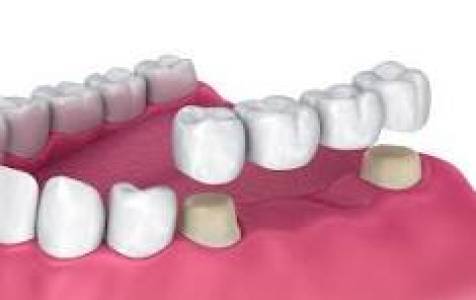
A dental bridge is a permanent, non-removable dental restoration used to replace one or more missing teeth. It consists of artificial teeth (called pontics) that are anchored by crowns placed on the natural teeth (or dental implants) on either side of the gap. These anchoring teeth are known as abutment teeth. The entire structure is then cemented into place, offering stability and a natural appearance.
The Benefits of Choosing a Dental Bridge
Opting for a dental bridge can significantly improve your oral health and quality of life:
- Restores Your Smile's Aesthetics: Fills the gap created by missing teeth, enhancing your facial appearance and boosting your confidence.
- Improves Chewing & Speaking: Regain the ability to eat your favorite foods and speak clearly without impediment.
- Maintains Facial Structure: Prevents the sunken appearance that can result from missing teeth over time.
- Prevents Tooth Shifting: Stops adjacent teeth from drifting into the empty space, which can lead to bite problems, gum disease, and further tooth loss.
- Distributes Bite Forces: Spreads the stress of chewing evenly across your remaining teeth, protecting them from excessive wear and strain.
- Durable & Long-Lasting: With proper care, a dental bridge can last 10-15 years or even longer.
- Fixed Solution: Unlike removable dentures, bridges are permanently cemented in place, offering superior stability, comfort, and convenience.
Understanding Your Dental Bridge
A typical dental bridge consists of two main parts:
- Abutment Teeth/Crowns: These are the natural teeth (or implants) on either side of the gap. They are prepared and fitted with crowns that serve as strong anchors for the bridge.
- Pontic(s): This is the artificial tooth or teeth that fill the gap, custom-designed to perfectly match the color, shape, and size of your natural teeth.
Types of Dental Bridges
Depending on your specific needs and oral health, different types of bridges may be recommended:
- Traditional Bridge: The most common type. This involves creating crowns for the teeth on either side of the missing tooth (the abutment teeth) and placing a pontic in between.
- Cantilever Bridge: Used when there are adjacent teeth only on one side of the missing tooth. While effective, it's generally used in areas with less chewing force to avoid leverage issues.
- Maryland Bonded Bridge (Resin-Bonded Bridge): This type uses a metal or porcelain framework with "wings" that are bonded to the back of your existing teeth. It requires minimal tooth preparation and is often chosen for front teeth where bite forces are lighter.
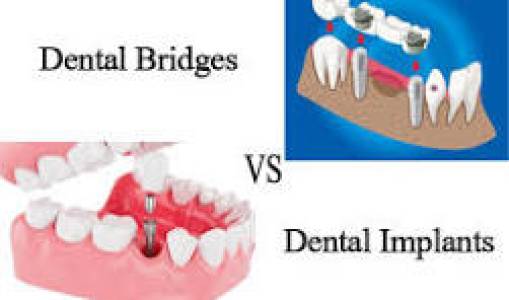
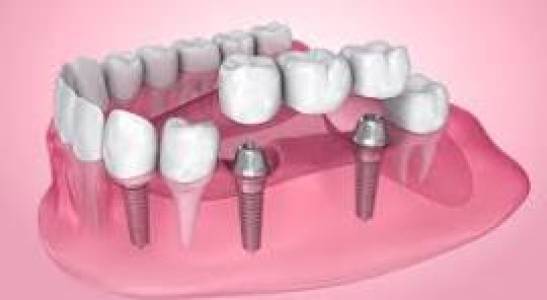
- Implant-Supported Bridge: For situations with multiple missing teeth where there are no strong natural abutment teeth, dental implants can be surgically placed to support the bridge. This option offers superior stability, bone stimulation, and longevity.
Materials for Your Dental Bridge
We utilize advanced, high-quality materials to ensure your bridge is both exceptionally strong and aesthetically pleasing:
- Porcelain-Fused-to-Metal (PFM): Offers excellent strength and a good aesthetic. A durable metal alloy base is covered with layers of tooth-colored porcelain, providing a natural look.
- All-Ceramic (Zirconia, E.max): Highly aesthetic, providing a natural, translucent appearance that blends seamlessly with your existing teeth. Ideal for front teeth and for patients with metal sensitivities. Zirconia is an exceptionally strong and biocompatible ceramic.
- Gold Alloys: Extremely durable and biocompatible, often chosen for back teeth where strength is paramount, though less common today for aesthetic reasons.
The Dental Bridge Process: What to Expect
The placement of a dental bridge typically involves a few visits to ensure optimal results:
- Consultation & Planning: We'll conduct a thorough examination, including X-rays and digital scans, to assess your oral health and determine if a bridge is the right solution for you. We'll discuss the various options, materials, and answer all your questions.
- Tooth Preparation: During your first restorative visit, the abutment teeth are gently reshaped to create space for the crowns. An accurate impression (mold) of your teeth is then taken. This impression is sent to a specialized dental lab.
- Temporary Bridge Placement: A temporary bridge is placed immediately to protect your prepared teeth, maintain your appearance, and allow you to eat and speak comfortably while your custom permanent bridge is being fabricated.
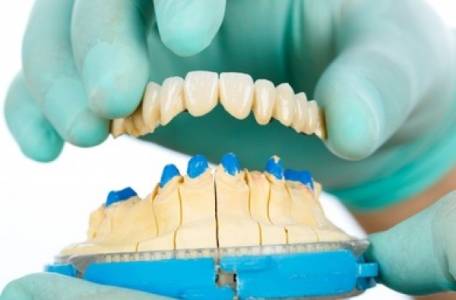
- Bridge Fabrication: Skilled dental technicians meticulously craft your permanent bridge based on your unique impressions, ensuring a perfect fit, harmonious bite, and precise shade match to your natural teeth.
- Final Placement: Once your permanent bridge is ready (typically within 2-3 weeks), you'll return for your final appointment. The temporary bridge is removed, and the new bridge is carefully fitted, checked for comfort, bite alignment, and aesthetics, and then permanently cemented into place.
Caring for Your Dental Bridge
With proper care and maintenance, your dental bridge can last for many years:
- Brush Twice Daily: Use a soft-bristled toothbrush and fluoride toothpaste to clean all surfaces of your bridge and surrounding natural teeth.
- Floss Daily: Special tools like floss threaders, interdental brushes, or water flossers are essential to clean under the pontic and around the abutment teeth, removing food particles and plaque.
- Regular Dental Check-ups: Visit us for routine examinations and professional cleanings. These appointments are crucial for monitoring the health of your bridge, gums, and surrounding teeth.
- Avoid Hard & Sticky Foods: Be cautious with extremely hard candies, ice, or sticky foods that could potentially damage your bridge.
- Report Any Issues: If you notice any discomfort, looseness, or damage to your bridge, contact us immediately.
Is a Dental Bridge Right for You?
You might be an excellent candidate for a dental bridge if you:
- Are missing one or more adjacent teeth.
- Have good general oral health and healthy gum tissue.
- Possess strong, healthy natural teeth (or existing dental implants) adjacent to the gap to serve as reliable abutments.
- Are looking for a fixed, durable, and aesthetic solution to tooth loss.
Invest in Your Smile Today!
Don't let missing teeth compromise your confidence, health, or ability to enjoy life. A custom dental bridge can restore your complete smile with remarkable aesthetics and lasting functionality.
Contact us today to schedule a consultation and discover if a dental bridge is the perfect solution for you! Let us help you regain your beautiful, functional smile.