Description
Root Canal Treatment (Endodontic Therapy)
Restore Your Smile, Eliminate Pain, Save Your Natural Tooth
Don't let an infected or damaged tooth steal your comfort or your confidence. Root Canal Treatment, also known as Endodontic Therapy, is a highly effective and common dental procedure designed to save a natural tooth that has become severely infected or damaged. Our experienced team utilizes state-of-the-art technology and compassionate care to ensure a comfortable and successful treatment experience, allowing you to preserve your natural smile for years to come.
What is Root Canal Treatment?
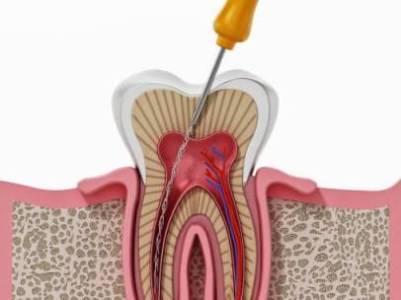
Root Canal Treatment is a specialized procedure focused on the inside of your tooth. Each tooth contains a soft tissue core called the pulp, which houses nerves, blood vessels, and connective tissue. When this pulp becomes infected or inflamed due to deep decay, repeated dental procedures, cracks in the tooth, or trauma, it can cause severe pain and lead to an abscess if left untreated.
During a root canal, the inflamed or infected pulp is carefully removed, the inside of the tooth is thoroughly cleaned and disinfected, and then it is filled and sealed. This process eliminates the infection, relieves pain, and protects the tooth from future microbial invasion, allowing it to continue functioning normally.
Do You Need a Root Canal? Common Signs & Symptoms:
While only a dental professional can accurately diagnose the need for a root canal, here are common indicators that may suggest you require treatment:
- Persistent Tooth Pain: Spontaneous pain, pain that worsens when chewing or biting, or pain that radiates to other areas.
- Prolonged Sensitivity: Sensitivity to hot or cold temperatures that lingers even after the source is removed.
- Swelling and Tenderness: Swelling in the gums around the affected tooth, or tenderness when touching the tooth or surrounding gums.
- Pimple-like Bump on Gums (Fistula): A small bump near the infected tooth, which may intermittently release pus.
- Tooth Discoloration: Darkening or discoloration of the tooth.
- Deep Decay: Extensive decay that has reached the tooth's pulp.
- Chipped or Cracked Tooth: Damage that exposes the pulp to bacteria.
- Dental Trauma: An injury to the tooth, even without visible damage, can sometimes harm the pulp.
Key Benefits of Root Canal Treatment:
- Immediate & Lasting Pain Relief: Effectively eliminates the source of severe tooth pain.
- Preserves Your Natural Tooth: Avoids the need for tooth extraction, maintaining your natural bite and smile.
- Prevents Spread of Infection: Stops the infection from spreading to other teeth, gums, or even into the bloodstream.
- Restores Chewing Function: Allows you to chew and bite normally without discomfort.
- Maintains Facial Aesthetics: Prevents the sunken appearance that can result from missing teeth.
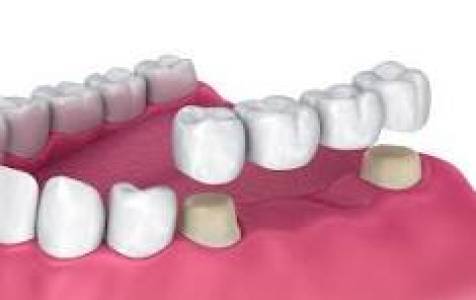
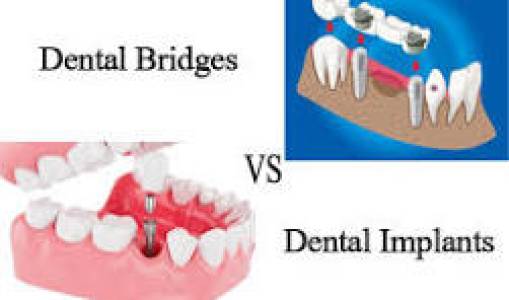
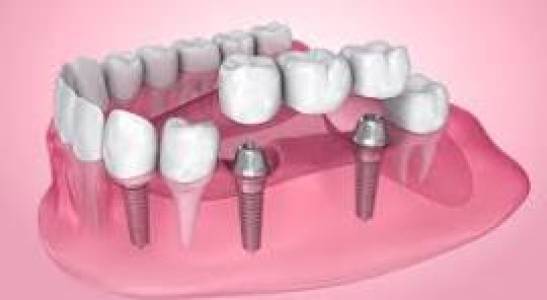
- Cost-Effective Long-Term: Often more economical than tooth replacement options like implants or bridges over your lifetime.
- High Success Rate: With proper care, a treated tooth can last a lifetime.
The Root Canal Treatment Process:
Our treatment approach is designed for precision and patient comfort:
- Diagnosis & X-rays: We begin with a thorough examination, including digital X-rays, to accurately assess the extent of the infection and damage.
- Anesthesia: Local anesthesia is administered to completely numb the affected tooth and surrounding area, ensuring a pain-free procedure.
- Isolation: A dental dam (a small rubber sheet) is placed around the tooth to isolate it, keeping it clean and dry during the procedure.
- Access Opening: A small opening is made in the crown of the tooth to access the pulp chamber and root canals.
- Cleaning & Shaping: Using specialized instruments (files), the infected pulp is removed, and the root canals are meticulously cleaned, disinfected, and shaped.
- Filling & Sealing: Once thoroughly cleaned, the root canals are filled with a biocompatible material, typically gutta-percha, and sealed with an adhesive cement to prevent reinfection.
- Temporary Restoration: A temporary filling is placed in the access opening to protect the tooth until your next appointment.
- Permanent Restoration (Crown): In most cases, a dental crown is placed over the treated tooth to protect it from fracture, restore its strength, and return it to full function and aesthetics. This final step is crucial for the long-term success of the treatment.
What to Expect During & After Treatment:
- During the Procedure: You can expect to feel pressure, but thanks to modern anesthesia, you should not experience any pain.
- Immediately After: It's normal to experience some mild sensitivity or soreness in the treated area for a few days, similar to a deep filling. This can be managed with over-the-counter pain relievers.
- Post-Treatment Care: We will provide detailed aftercare instructions. It's important to avoid chewing on the treated tooth until your permanent crown or restoration is placed.
- Long-Term: With good oral hygiene and regular dental check-ups, your root canal-treated tooth can last a lifetime.
Why Choose Us for Your Root Canal Treatment?
- Experienced Professionals: Our dentists are highly skilled in endodontic procedures, ensuring precise and effective treatment.
- Advanced Technology: We utilize modern equipment, including digital X-rays and specialized instruments, for enhanced accuracy and patient comfort.
- Patient-Centered Care: Your comfort is our priority. We take the time to explain the procedure, answer your questions, and address any anxieties you may have.
- Sterilization Excellence: We adhere to the highest standards of sterilization and infection control protocols.
- Comprehensive Follow-Up: We ensure you receive the necessary permanent restoration and follow-up care for optimal results.
Take the First Step Towards Pain Relief
Don't live with dental pain. If you suspect you may need a root canal, or if you are experiencing any of the symptoms listed above, prompt evaluation is crucial.
Contact us today to schedule a consultation and find out how Root Canal Treatment can save your tooth and restore your comfort and smile!
Frequently Asked Questions (FAQ):
- Is Root Canal Treatment painful? The procedure itself is performed under local anesthesia, so it is typically not painful. Most patients report feeling pressure, not pain. The myth of root canals being painful stems from outdated techniques; modern endodontics is comparable to a routine filling.
- How long does a root canal take? A root canal procedure usually takes 1 to 2 hours, depending on the complexity of the tooth and the number of canals. Some cases may require two appointments.
- What happens if I don't get a root canal? If left untreated, the infection can spread, leading to severe pain, abscess formation, bone loss around the tooth, and potentially systemic health issues. Ultimately, the tooth may need to be extracted.
- What is the success rate of root canals? Root canal treatment has a very high success rate, typically over 95%. With proper restoration and ongoing oral hygiene, the treated tooth can last a lifetime.
- Will I need a crown after a root canal? In most cases, yes. A root canal can weaken the tooth structurally, making it prone to fracture. A dental crown provides essential protection, strength, and restores the tooth's appearance and function.
- How much does a root canal cost? The cost varies depending on the tooth involved (front teeth typically have fewer canals than molars), the complexity of the case, and the final restoration needed. We will provide a detailed treatment plan and discuss financing options during your consultation.
Disclaimer: This product description is for informational purposes only and does not constitute medical advice. Individual results may vary. A comprehensive dental examination and consultation with a qualified dental professional are necessary to determine the appropriate course of treatment for your specific condition.