Description
Dental Filling: Comprehensive Restorative Solutions
Product Overview
A dental filling is a restorative material used by dentists to repair teeth damaged by decay (cavities), cracks, fractures, or wear. Its primary purpose is to restore the tooth's form, function, and integrity, preventing further damage and preserving oral health. This comprehensive product description outlines the various types of dental fillings, their applications, benefits, and considerations for both dental professionals and patients.
What is a Dental Filling?
A dental filling involves removing the decayed or damaged portion of a tooth, cleaning the affected area, and then filling the prepared cavity with a chosen material. This process seals off areas where bacteria can enter, helps prevent further decay, and restores the tooth's natural shape and chewing surface.
Why are Dental Fillings Necessary?
- Cavities (Dental Caries): The most common reason, where bacteria erode tooth enamel and dentin.
- Cracked or Fractured Teeth: Repairing damage from trauma or bruxism (teeth grinding).
- Worn Teeth: Restoring tooth structure lost due to erosion, abrasion, or attrition.
- Preventing Further Decay: Sealing the tooth to stop the progression of existing decay.
- Restoring Function and Aesthetics: Enabling proper chewing and improving the appearance of damaged teeth.
Key Types of Dental Fillings
Choosing the right filling material depends on several factors, including the extent of the repair, the location in the mouth, cost, patient preferences, and aesthetic considerations.
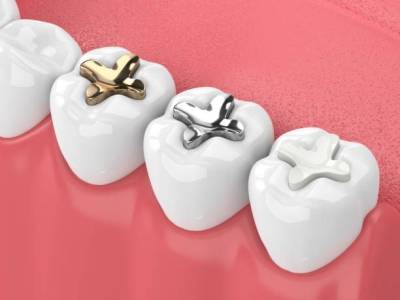
1. Amalgam Fillings (Silver Fillings)
- Composition: A mixture of metals, primarily silver, tin, copper, and elemental mercury.
- Key Features & Benefits:
- Durability: Extremely strong and long-lasting, often lasting 10-15 years or more.
- Cost-Effective: Generally the least expensive filling option.
- Strength: Excellent for large cavities in back teeth (molars) where chewing forces are high.
- Ease of Placement: Relatively less sensitive to moisture during placement compared to composite.
- Ideal Applications:
- Posterior (back) teeth, especially molars, where aesthetics are less of a concern.
- Large cavities requiring robust material.
- Patients with limited budget.
- Considerations:
- Appearance: Silver color is highly noticeable, making them unsuitable for aesthetic areas.
- Thermal Conductivity: Can be more sensitive to hot and cold initially.
- Tooth Structure Removal: Requires removal of more healthy tooth structure to create mechanical retention.
- Mercury Content: While deemed safe by major dental organizations (ADA, FDA), concerns exist for a minority of patients.
2. Composite Resin Fillings (Tooth-Colored Fillings)
- Composition: A mixture of acrylic resin and finely ground glass-like particles (quartz, silica, etc.).
- Key Features & Benefits:
- Aesthetics: Can be color-matched to the natural tooth shade, making them virtually invisible.
- Bonding: Chemically bonds to the tooth structure, requiring less removal of healthy tooth.
- Versatility: Suitable for both front and back teeth.
- Direct Placement: Typically placed and cured in a single appointment.
- Ideal Applications:
- Anterior (front) teeth where aesthetics are paramount.
- Smaller to medium-sized cavities.
- Chipped or fractured teeth.
- Used for cosmetic improvements (e.g., diastema closure).
- Considerations:
- Durability: May not be as durable as amalgam for very large restorations in high-stress areas, typically lasting 5-10 years.
- Cost: More expensive than amalgam.
- Technique Sensitive: Requires a very dry field during placement; susceptible to shrinkage.
- Staining: Can stain over time from coffee, tea, and other foods.
3. Glass Ionomer Cements (GIC)
- Composition: A blend of acrylic and fluoroaluminosilicate glass.
- Key Features & Benefits:
- Fluoride Release: Continuously releases fluoride, helping to prevent further decay (cariostatic effect).
- Chemical Bond: Bonds chemically to tooth structure without the need for complex bonding agents.
- Biocompatible: Gentle on tooth tissue.
- Ideal Applications:
- Temporary fillings.
- Fillings for primary (baby) teeth.
- Non-stress-bearing areas (e.g., root surfaces, class V cervical lesions).
- As a liner or base under other restorative materials.
- Patients with high caries risk.
- Considerations:
- Strength: Significantly weaker and less wear-resistant than amalgam or composite.
- Aesthetics: Opaque appearance, not as aesthetic as composite.
- Durability: Shorter lifespan, typically 3-5 years.
4. Gold Fillings (Inlays & Onlays)
- Composition: Primarily gold, often alloyed with other metals for strength.
- Key Features & Benefits:
- Exceptional Durability: Very strong and wear-resistant, lasting 15-20 years or more.
- Biocompatibility: Well-tolerated by gum tissues.
- Precise Fit: Custom-made in a dental lab for an excellent fit.
- Ideal Applications:
- Large restorations in back teeth.
- Patients seeking the longest-lasting restoration.
- Considerations:
- Cost: The most expensive filling option.
- Aesthetics: Gold color is highly visible.
- Multiple Appointments: Requires at least two dental visits (impression, fabrication, bonding).
- Galvanic Shock: Rare, but can cause mild electric shock if adjacent to a silver filling.
5. Porcelain/Ceramic Fillings (Inlays & Onlays)
- Composition: High-strength dental porcelain or ceramic materials.
- Key Features & Benefits:
- Superior Aesthetics: Can be perfectly matched to natural tooth color, highly stain-resistant.
- Strength (Onlays): Excellent for reinforcing weakened tooth structure, especially for large posterior restorations.
- Biocompatibility: Highly inert and tissue-friendly.
- Durability: Very long-lasting, similar to gold, often 10-15 years or more.
- Ideal Applications:
- Large cavities in visible areas (especially premolars).
- Replacement of old, large metal fillings.
- When a full crown is not yet necessary.
- Considerations:
- Cost: Comparable to gold, more expensive than composite.
- Multiple Appointments: Requires at least two dental visits (impression, fabrication, bonding).
- Brittleness: Can be brittle if not properly supported by tooth structure.
- Abrasion: Can potentially wear opposing teeth if not properly contoured and polished.
The Filling Procedure (General Overview)
- Numbing: Local anesthetic is administered to ensure patient comfort.
- Decay Removal: The decayed or damaged tooth structure is carefully removed using a dental drill.
- Cavity Preparation: The tooth is shaped to properly receive the filling material (and sometimes etched or bonded for composite/porcelain).
- Material Placement:
- Direct Fillings (Amalgam, Composite, GIC): The material is directly placed into the cavity, shaped, and then hardened (either by chemical reaction or with a curing light).
- Indirect Fillings (Gold, Porcelain Inlays/Onlays): An impression of the prepared tooth is taken and sent to a lab for fabrication. A temporary filling is placed. In a subsequent visit, the custom-made filling is bonded into place.
- Finishing & Polishing: The filling is trimmed, shaped, and polished to ensure a comfortable bite and smooth surface.
Benefits of Quality Dental Fillings
- Stops Decay Progression: Prevents bacteria from penetrating deeper into the tooth.
- Restores Tooth Structure: Repairs damage and strengthens the tooth.
- Eliminates Pain & Sensitivity: Addresses discomfort caused by cavities.
- Restores Chewing Function: Allows for comfortable and effective eating.
- Enhances Aesthetics: Improves the appearance of damaged teeth, especially with tooth-colored options.
- Prevents Tooth Loss: A successful filling can prevent the need for more extensive treatments like root canals or extractions.
Longevity and Maintenance
The lifespan of a dental filling varies significantly based on the material, the size and location of the filling, oral hygiene practices, and chewing habits. Regular dental check-ups, meticulous brushing and flossing, and avoiding habits like biting on hard objects or teeth grinding are crucial for maximizing the life of any filling.
Choosing the Right Filling Material
The decision for the optimal dental filling material should always be made in consultation with a qualified dental professional. The dentist will assess the extent of the damage, the tooth's location, the patient's bite, aesthetic preferences, and budget to recommend the most suitable option.
Important Considerations for Dental Professionals
When selecting dental filling products for your practice, consider:
- Material Biocompatibility: Ensuring the material is safe and well-tolerated by patients.
- Clinical Performance: Proven durability, wear resistance, and marginal integrity.
- Ease of Use & Handling: Material consistency, setting time, and polishability.
- Radiopacity: Clear visibility on X-rays for diagnostic purposes.
- Adhesion/Bond Strength: For composite and GIC materials, strong and reliable bonding to tooth structure.
- Shade Matching System: For composite resins, a comprehensive and intuitive shade guide.
- Cost-Effectiveness: Balancing material cost with patient affordability and practice profitability.
Conclusion
Dental fillings are fundamental to restorative dentistry, offering diverse solutions to repair and preserve natural teeth. By understanding the characteristics and applications of each type of filling, dental professionals can provide optimal, patient-centered care, leading to long-lasting oral health and beautiful smiles.
Disclaimer: This product description provides general information about dental fillings. Specific product formulations, application techniques, and patient outcomes may vary. Always consult with a qualified dental professional for diagnosis, treatment recommendations, and specific product information.
Call to Action for Dental Professionals: Explore our range of high-quality dental filling materials and supplies designed to meet the demands of modern restorative dentistry. Contact us today for product specifications, pricing, and educational resources.