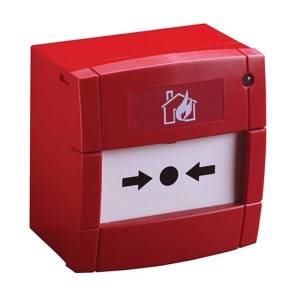
Manual Call Point

      Description


      A Manual Call Point (MCP) is a critical component of any fire alarm system, designed to allow building occupants to manually initiate a fire alarm in the event of an emergency. This detailed description covers the features, benefits, specifications, and applications of a typical Manual Call Point.

      Manual Call Point (MCP) - Emergency Fire Alarm Activator

      Product Overview

      The Manual Call Point (MCP) is an essential life safety device, providing a direct and intuitive means for individuals to alert others and the fire services to a fire emergency. Designed for high visibility and easy operation, our Manual Call Points ensure rapid alarm activation, contributing significantly to the early evacuation of premises and the swift response of emergency personnel.

      Available in both traditional "Break Glass" and modern "Resettable Element" configurations, and compatible with Conventional or Addressable fire alarm systems, these devices are a cornerstone of effective fire safety infrastructure across diverse environments.

      Key Features

      • High Visibility: Distinctive red casing with clear white text and symbols ("FIRE," "PUSH," "BREAK GLASS") ensuring immediate recognition in an emergency.
      • Easy Activation:
        • Break Glass Type: Requires breaking a frangible glass element (a small hammer may be attached or integrated) to activate the alarm.
        • Resettable Element Type: Features a flexible, reusable element (e.g., a plastic window or button) that is pressed to activate. Can be reset with a special key after activation without replacing parts.
      • LED Status Indicator: An integrated LED provides clear visual feedback, typically:
        • Green (or blinking): Normal operation / Polling (for addressable units).
        • Red (steady): Alarm activated.
      • Test Facility: Key-operated test function allows for regular system checks without triggering a full alarm or breaking glass (for resettable types).
      • Robust Construction: Manufactured from durable, high-impact resistant materials (e.g., ABS, polycarbonate) to withstand harsh environments and accidental damage.
      • Mounting Flexibility: Designed for both surface and flush mounting options, accommodating various installation requirements.
      • Addressable & Conventional Options:
        • Conventional MCPs: Connect to zone circuits, indicating an alarm within a specific area.
        • Addressable MCPs: Each unit has a unique address, allowing the Fire Alarm Control Panel (FACP) to pinpoint the exact location of the activated call point. May include an integrated short-circuit isolator.
      • Environmental Protection:
        • Standard indoor models typically rated IP24.
        • Outdoor/Weatherproof models available with higher IP ratings (e.g., IP66, IP67) for use in challenging or exposed environments.
      • Compliance: Fully compliant with relevant international and regional standards, such as EN54-11 (for manual call points).

      How It Works

      1. Detection of Fire: An individual observes signs of fire (smoke, flames, heat, smell).
      2. Activation: The individual approaches the Manual Call Point.
        • Break Glass: They break the frangible glass element.
        • Resettable: They firmly press the flexible element.
      3. Signal Transmission: The activation actuates an internal switch, sending an electrical signal to the main Fire Alarm Control Panel (FACP).
      4. Alarm Initiation: The FACP processes the signal, triggers audible and visual alarms throughout the building (sirens, strobes), and may automatically notify fire services or building management systems.
      5. Status Indication: The MCP's LED indicator illuminates solid red, confirming its activation.
      6. Reset:
        • Break Glass: The broken glass must be replaced after the emergency.
        • Resettable: A special key is used to reset the call point to its standby state after the FACP has been reset.

      Benefits

      • Enhanced Life Safety: Provides occupants with the critical ability to initiate an alarm, enabling early warning and safe evacuation.
      • Reliable First Line of Defense: A simple, universally understood method for activating the fire alarm system.
      • Quick Response: Accelerates the notification process to emergency services and building occupants.
      • Versatile Application: Suitable for a wide range of commercial, industrial, and residential settings.
      • Reduced Damage & Downtime: Early alarm activation can lead to faster fire suppression, minimizing property damage and business interruption.
      • Cost-Effective Maintenance: Resettable models offer lower long-term maintenance costs by eliminating the need to replace glass elements after testing or false alarms.
      • Regulatory Compliance: Helps buildings meet mandatory fire safety regulations and standards.

      Technical Specifications (Typical)

      • Operating Voltage: 9-30V DC (Conventional); 17-30V DC (Addressable)
      • Current Consumption:
        • Standby: <100µA (Addressable); <50µA (Conventional)
        • Alarm: 5-20mA (Addressable); 30-80mA (Conventional)
      • Operating Temperature: -10°C to +55°C (Standard); -25°C to +70°C (Weatherproof options)
      • Relative Humidity: 0-95% non-condensing
      • IP Rating: IP24 (Standard Indoor); IP66/IP67 (Weatherproof Outdoor)
      • Dimensions: Approximately 87 x 87 x 58 mm (L x W x D - varies by model/manufacturer)
      • Weight: Approximately 160g - 250g
      • Material: ABS / Polycarbonate (Casing); Glass or Plastic (Actuation Element)
      • Color: Red (RAL 3000)
      • Standards Compliance: EN54-11, CE Marked

      Applications

      Manual Call Points are indispensable in virtually every building type requiring a fire detection system, including:

      • Commercial Offices
      • Retail Stores & Shopping Malls
      • Hotels & Hospitality Venues
      • Schools, Universities & Educational Institutions
      • Hospitals, Clinics & Healthcare Facilities
      • Industrial Plants & Warehouses
      • Residential Apartment Buildings
      • Public Buildings (Museums, Libraries, Theatres)
      • Transportation Hubs (Airports, Train Stations)
      • Outdoor Areas (with suitable IP-rated versions)

      Tags: Manual Call Point