Description
Root Canal Treatment: Preserving Your Natural Smile & Relieving Pain
Experiencing a persistent, throbbing toothache? Is your tooth extra sensitive to hot or cold, or do your gums feel swollen and tender? These could be signs of an infection deep within your tooth. Don't let fear or misinformation keep you from seeking relief and saving your natural tooth!
Root canal treatment, also known as endodontic therapy, is a highly effective and common procedure designed to alleviate pain, eliminate infection, and save a tooth that might otherwise need to be extracted. Far from the painful reputation it once held, modern root canal procedures are comfortable, efficient, and performed with your utmost comfort in mind.
What is a Root Canal?
At its core, a root canal is a dental procedure that involves removing the infected or damaged pulp (the soft tissue inside your tooth containing nerves and blood vessels), cleaning and disinfecting the inner chambers of the tooth, and then filling and sealing the space. This process eliminates the source of pain and infection, allowing you to retain your natural tooth.
Why Might You Need a Root Canal?
Root canal therapy is typically recommended when the pulp inside your tooth becomes inflamed or infected. This can be caused by various factors:
- Deep Decay: Untreated cavities that penetrate deep into the tooth, reaching the pulp.
- Trauma: A chip, crack, or fracture in the tooth that exposes the pulp.
- Repeated Dental Procedures: Extensive fillings or multiple dental procedures on the same tooth.
- Cracked or Broken Tooth: Allowing bacteria to enter the inner tooth.
- Gum Disease: In advanced stages, gum disease can sometimes affect the tooth's root.
Common Symptoms Indicating a Potential Need for a Root Canal:
- Severe Toothache: Especially when chewing or applying pressure, or a spontaneous, throbbing pain.
- Prolonged Sensitivity: To hot or cold temperatures, even after the source is removed.
- Swelling and Tenderness: In the surrounding gums, face, or neck.
- Pimple-Like Bump (Fistula): On the gums near the affected tooth, indicating an abscess.
- Discoloration: Darkening of the tooth.
- Pain Radiating: To the ear, temple, or other teeth.
Key Benefits of Root Canal Treatment:
- Immediate & Lasting Pain Relief: Eliminates the source of your severe toothache.
- Save Your Natural Tooth: Avoids extraction and preserves your natural smile and bite.
- Prevent Spread of Infection: Stops the infection from spreading to other teeth, gums, or even into your bloodstream.
- Restore Function: Allows you to chew normally and comfortably again.
- Maintain Oral Health & Aesthetics: Prevents shifting of adjacent teeth, preserves jawbone structure, and maintains your facial appearance.
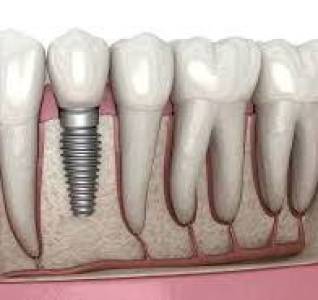
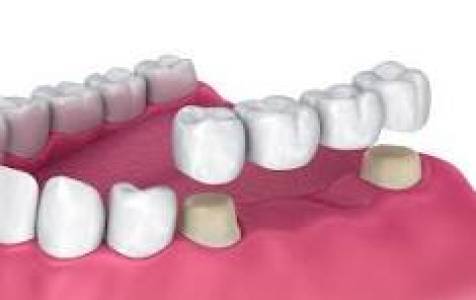
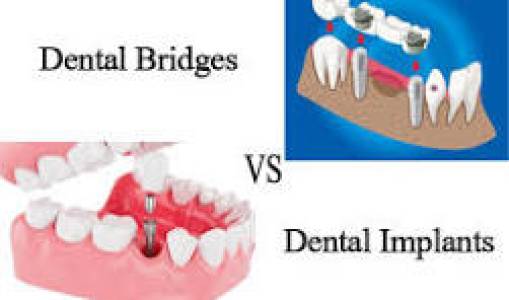
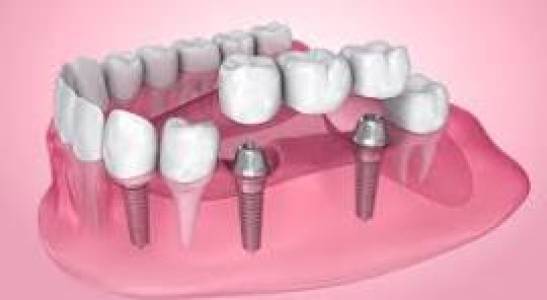
- Cost-Effective: Often a more affordable long-term solution than extraction followed by a bridge or dental implant.
The Root Canal Procedure: Step-by-Step
Understanding the process can help alleviate any anxiety you may have. Modern root canal treatments are performed with precision and care, often in just one or two appointments.
- Diagnosis & Anesthesia:
- Your dentist will take X-rays and perform tests to confirm the diagnosis.
- A local anesthetic is administered to numb the tooth and surrounding area, ensuring you feel no pain during the procedure.
- Isolation:
- A rubber dam (a thin sheet of latex or non-latex material) is placed around the tooth to keep it dry and free from saliva and bacteria during treatment.
- Access Opening:
- A small opening is made on the top of the tooth (for back teeth) or the back (for front teeth) to access the pulp chamber and root canals.
- Cleaning & Shaping:
- Tiny instruments are used to meticulously remove the infected pulp, bacteria, and debris from the pulp chamber and root canals.
- The canals are then shaped to facilitate proper filling and sealing. The area is thoroughly disinfected with antimicrobial solutions.
- Filling (Obturation):
- Once the canals are clean and dry, they are filled with a biocompatible, rubber-like material called gutta-percha, which is sealed in place with an adhesive cement. This prevents reinfection.
- Restoration:
- A temporary filling is placed to seal the access opening.
- In most cases, a permanent crown is recommended after a root canal. This is crucial to protect the treated tooth from fracture (as it can become brittle without the pulp) and restore its full strength and function. This final restoration is typically done in a separate appointment.
What to Expect:
- Before: A thorough examination, X-rays, and a discussion of your treatment options. Feel free to ask any questions.
- During: You should feel no pain, only pressure or vibration. If you feel any discomfort, immediately inform your dentist.
- After: It's normal to experience some mild soreness or sensitivity for a few days, especially after the anesthesia wears off. Over-the-counter pain relievers are usually sufficient, or your dentist may prescribe medication. Avoid chewing on the treated tooth until your permanent restoration is placed.
Common Concerns & Myths Addressed:
- Myth: Root canals are extremely painful.
- Fact: With modern anesthetics and techniques, the procedure itself is typically no more uncomfortable than getting a filling. The goal is to relieve the severe pain caused by the infection, not create more.
- Myth: It's better to just extract the tooth.
- Fact: Saving your natural tooth whenever possible is always the best option. An extracted tooth can lead to shifting of adjacent teeth, bone loss, and the need for more complex and expensive procedures like bridges or implants later on.
- Myth: Root canals cause illness.
- Fact: This myth stems from debunked research from a century ago. Extensive scientific evidence confirms that root canal treatment is safe and effective, with no link to other systemic diseases.
Post-Procedure Care:
- Take prescribed medications (antibiotics if needed, pain relievers) as directed.
- Avoid chewing hard or sticky foods on the treated tooth until your permanent crown or restoration is placed.
- Maintain excellent oral hygiene: brush and floss regularly.
- Attend your follow-up appointment for the permanent restoration (crown).
- Schedule regular dental check-ups and cleanings.
Longevity & Success Rate:
Root canal treatment has a very high success rate, often exceeding 95%. With proper care and a final restoration (like a crown), a root canal-treated tooth can last a lifetime, functioning just like any other tooth.
Don't Let Pain Rule Your Life – Take the First Step Towards Relief!
If you are experiencing any symptoms of tooth infection or believe you might need a root canal, don't delay. Early diagnosis and treatment are crucial to prevent further complications and save your tooth.
Contact us today to schedule a consultation and discuss your options. Our experienced team is here to provide comfortable, effective care and help you regain a healthy, pain-free smile.
Important Note: This information is for educational purposes only and does not constitute medical advice. Always consult with a qualified dental professional for diagnosis and treatment recommendations specific to your condition.