Description
Here's a detailed product description for dental bridges, formatted in Markdown:
Restore Your Smile with Custom Dental Bridges
Missing teeth can impact more than just your smile; they can affect your ability to eat comfortably, speak clearly, and maintain the overall health of your mouth. A dental bridge is a highly effective, fixed prosthetic solution designed to fill the gap created by one or more missing teeth, restoring your ability to eat, speak, and smile with confidence.
At [Your Practice Name], we specialize in crafting beautiful, durable, and natural-looking dental bridges tailored precisely to your unique oral anatomy and aesthetic goals.
What is a Dental Bridge?
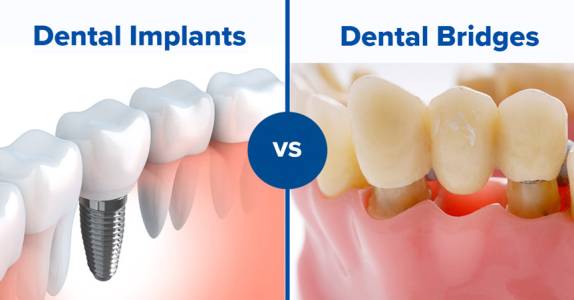
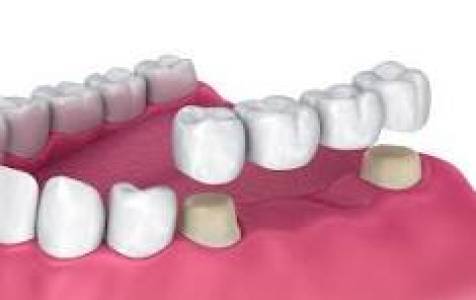
A dental bridge, as the name suggests, "bridges" the gap created by one or more missing teeth. It consists of two main parts:
- Abutment Teeth/Crowns: These are crowns placed on the natural teeth or dental implants on either side of the gap. These anchoring teeth provide support for the bridge.
- Pontics: These are the artificial teeth that fill the space of the missing teeth. They are custom-designed to blend seamlessly with your existing dentition.
Bridges are a fixed solution, meaning they are permanently cemented into place and cannot be removed by the patient, offering superior stability and convenience compared to removable partial dentures.
Key Benefits of Dental Bridges:
Choosing a dental bridge offers a multitude of advantages for your oral health and quality of life:
- Restored Chewing Function: Eat your favorite foods comfortably and efficiently again.
- Enhanced Aesthetics: Close unsightly gaps, improving the appearance of your smile with natural-looking materials.
- Improved Speech: Corrects lisping or whistling sounds that can be caused by gaps in your teeth.
- Prevent Tooth Shifting: Holds remaining teeth in place, preventing them from drifting into the open space and disrupting your bite.
- Maintain Facial Structure: Helps prevent the sunken appearance that can occur with tooth loss, preserving the natural contours of your face.
- Long-Lasting Solution: With proper care and good oral hygiene, dental bridges can last 10-15 years or even longer.
- Boosted Confidence: Smile, laugh, and speak without self-consciousness, knowing your smile is complete and beautiful.
Types of Dental Bridges:
We offer various types of dental bridges, and our experienced team will help you determine the best option based on your specific needs, oral health, and budget:
1. Traditional Bridges
- Description: The most common type of bridge, used when you have natural teeth on both sides of the gap. These bridges consist of a pontic (or pontics) held in place by crowns that are cemented onto the abutment teeth.
- Advantages: Strong, durable, and highly reliable.
2. Cantilever Bridges
- Description: Similar to traditional bridges, but used when there are natural teeth on only one side of the missing tooth gap. The pontic is supported by crowns cemented onto one or more abutment teeth on a single side.
- Considerations: Generally used in areas of the mouth that experience less chewing stress due to the single-sided support.
3. Maryland (Resin-Bonded) Bridges
- Description: These bridges are a more conservative option, requiring minimal preparation of the adjacent teeth. They consist of a pontic with metal or porcelain "wings" on either side. These wings are bonded to the back surface of the adjacent natural teeth.
- Advantages: Less invasive, preserves more natural tooth structure.
- Considerations: Not as strong as traditional bridges; typically used for front teeth where biting forces are lower.
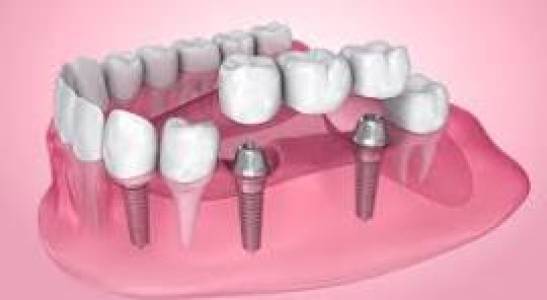
4. Implant-Supported Bridges
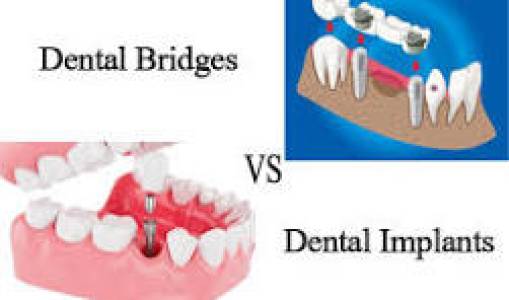
- Description: For multiple missing teeth, an implant-supported bridge uses dental implants as the abutments instead of natural teeth. Typically, an implant is placed for every missing tooth, or two implants support a bridge of three or more pontics.
- Advantages: Extremely strong, stable, and durable. They do not rely on natural teeth for support and can help stimulate the jawbone to prevent bone loss.
- Considerations: Requires a surgical procedure for implant placement and a longer overall treatment timeline.
What to Expect: The Dental Bridge Process
Receiving a dental bridge typically involves two or three appointments at [Your Practice Name]:
- Consultation & Planning: Your journey begins with a comprehensive examination, including X-rays and digital scans. We will discuss your treatment goals, evaluate your oral health, and determine the most suitable type of bridge for you. We'll answer all your questions and outline your personalized treatment plan.
- Tooth Preparation: During the first treatment visit, the abutment teeth (on either side of the gap) will be gently prepared. This involves reshaping them to create space for the crowns that will support the bridge. If you're receiving an implant-supported bridge, this stage occurs after implant placement and healing.
- Impressions & Temporary Bridge: After preparation, precise impressions (or digital scans) of your teeth will be taken. These will be sent to a state-of-the-art dental lab where your custom bridge will be fabricated. A temporary bridge will be placed to protect the prepared teeth and maintain your smile while your permanent bridge is being made.
- Bridge Placement: Once your custom bridge arrives from the lab (typically in 1-2 weeks), you'll return for your final appointment. We will carefully check its fit, bite, and aesthetics, making any necessary adjustments to ensure perfect comfort and appearance. Once you are completely satisfied, the bridge will be permanently cemented into place.
Caring for Your Dental Bridge
With proper care, your dental bridge can provide years of beautiful, functional smiles.
- Daily Oral Hygiene: Brush your teeth and bridge twice a day with a fluoride toothpaste.
- Flossing is Crucial: Pay special attention to cleaning under and around your bridge using a floss threader, interdental brush, or water flosser to remove food particles and plaque.
- Regular Dental Check-ups: Maintain your routine dental check-ups and cleanings every six months at [Your Practice Name]. This allows us to monitor the health of your bridge and surrounding teeth.
- Avoid Hard or Sticky Foods: Refrain from biting down on extremely hard foods (like ice, hard candies) or overly sticky foods (like caramels, gum) that could potentially damage your bridge.
Is a Dental Bridge the Right Solution for You?
Generally, dental bridges are an excellent option for individuals who:
- Are missing one or more teeth.
- Have healthy natural teeth on either side of the gap that can serve as strong abutments.
- Have good overall oral health.
- Are looking for a fixed, long-lasting solution to restore their smile and chewing function.
Why Choose [Your Practice Name] for Your Dental Bridge?
When you choose [Your Practice Name] for your dental bridge, you benefit from:
- Experienced & Caring Team: Our dentists have extensive experience in restorative dentistry, ensuring precise and aesthetic results.
- State-of-the-Art Technology: We utilize the latest dental technology for accurate diagnostics, comfortable procedures, and superior outcomes.
- Customized Treatment Plans: We believe in personalized care, designing bridges that perfectly match your natural teeth and facial features.
- Comfort-Focused Environment: Your comfort is our priority. We strive to make every visit as relaxed and stress-free as possible.
- Durable, Aesthetic Results: We partner with top dental labs to ensure your bridge is crafted from high-quality, biocompatible materials that look natural and last for years.
Ready to Restore Your Smile?
Don't let missing teeth diminish your quality of life any longer. A dental bridge from [Your Practice Name] can dramatically improve your oral health, function, and confidence.
Contact us today to schedule a comprehensive consultation and discover how a custom dental bridge can transform your smile!
[Phone Number] [Email Address] [Website Link] [Your Practice Address]
Disclaimer: The information provided is for general knowledge and informational purposes only, and does not constitute medical advice. Always consult with a qualified dental professional for diagnosis and treatment of any dental condition.