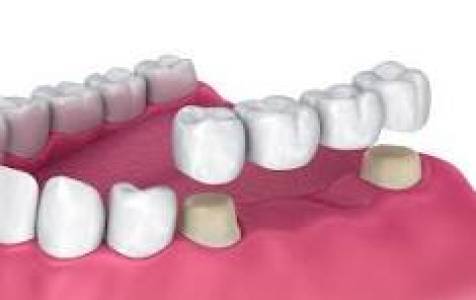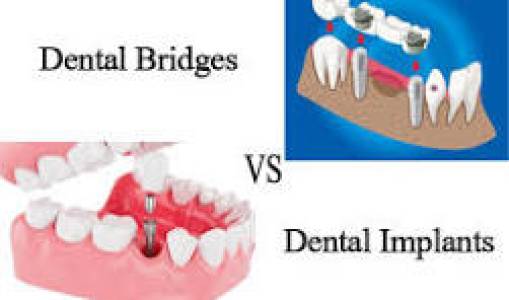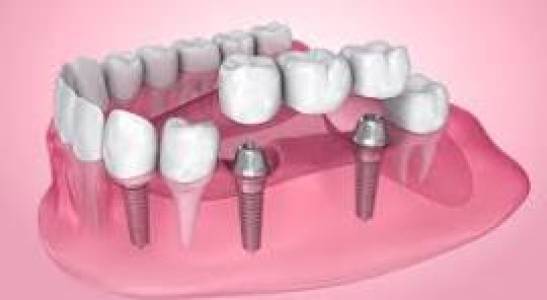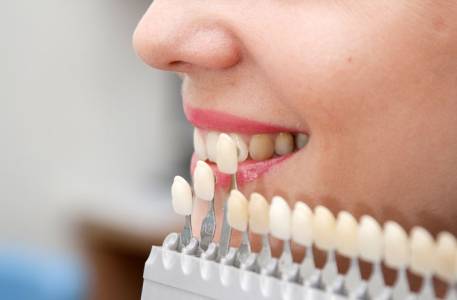

# Premium Dental Crowns: Restore Strength, Beauty, and Function to Your Smile ## Introduction A dental crown, often referred to as a "tooth cap," is a custom-made, tooth-shaped restoration that completely covers your tooth down to the gum line. Designed to restore a damaged tooth's shape, size, strength, and appearance, crowns are a durable and aesthetic solution for a variety of dental concerns. At [Your Clinic Name/Brand], we utilize state-of-the-art technology and high-quality materials to craft crowns that blend seamlessly with your natural teeth, providing long-lasting health and confidence. --- ## What Are Dental Crowns? Dental crowns are custom-fabricated coverings that fit over an entire tooth, acting as a protective helmet. They are bonded to your tooth using a strong dental adhesive, effectively encasing the damaged or weakened tooth structure. This not only restores the tooth's original form and strength but also improves its aesthetics and functionality. --- ## Why Might You Need a Dental Crown? Dental crowns are a versatile solution recommended for numerous reasons: * **Protect a Weak Tooth:** To prevent a weak tooth (e.g., from decay) from breaking, or to hold parts of a cracked tooth together. * **Restore a Broken or Severely Worn Down Tooth:** To repair teeth that have fractured or worn significantly due to grinding or other issues. * **Cover and Support a Tooth with a Large Filling:** When there isn't enough natural tooth structure left to support a large filling. * **Cover a Misshapen or Severely Discolored Tooth:** For cosmetic enhancement, improving the appearance of teeth that are aesthetically compromised. * **After a Root Canal Treatment:** To protect the treated tooth, which can become brittle and prone to fracture. * **Hold a Dental Bridge in Place:** Crowns are used on adjacent teeth to anchor a dental bridge, replacing missing teeth. * **Cover a Dental Implant:** To serve as the visible, functional part of an implant-supported tooth replacement. --- ## Types of Dental Crowns We offer a range of crown materials, each with unique advantages, to best suit your specific needs, aesthetic goals, and budget: ### 1. Porcelain/Ceramic Crowns (All-Ceramic/All-Porcelain) * **Description:** Made entirely from porcelain or ceramic material. * **Benefits:** * **Exceptional Aesthetics:** Closely mimic the translucent quality of natural tooth enamel, making them virtually indistinguishable from surrounding teeth. * **Metal-Free:** Ideal for patients with metal allergies or those who prefer a completely natural look. * **Biocompatible:** Generally well-tolerated by gum tissues. * **Best For:** Front teeth and highly visible areas where aesthetics are a top priority. ### 2. Zirconia Crowns * **Description:** Crafted from zirconia, a white crystalline oxide, which is a strong, tooth-colored ceramic material. * **Benefits:** * **Outstanding Strength & Durability:** Extremely resistant to fracture and wear, making them suitable for back teeth that endure heavy chewing forces. * **Excellent Aesthetics:** While not as translucent as traditional porcelain, modern zirconia crowns offer very good light transmission for a natural appearance. * **Biocompatible:** Well-accepted by the body. * **Best For:** Both front and back teeth, particularly for patients requiring high durability combined with good aesthetics. ### 3. Porcelain Fused to Metal (PFM) Crowns * **Description:** Consist of a metal alloy base (often gold, palladium, or nickel-chromium) with a layer of porcelain fused over it. * **Benefits:** * **Strong & Durable:** The metal substructure provides excellent strength, while the porcelain offers a tooth-like appearance. * **Proven Track Record:** A traditional choice with many years of successful use. * **Considerations:** * **Potential for Metal Show-Through:** A dark line may be visible at the gum line, especially as gums recede over time. * **Less Translucent:** May not achieve the same level of natural translucency as all-ceramic crowns. * **Best For:** Back teeth where strength is paramount, or for patients seeking a balance of durability and reasonable aesthetics. ### 4. Gold/Metal Alloy Crowns * **Description:** Made from a mix of metals, including gold, platinum, palladium, or base-metal alloys. * **Benefits:** * **Exceptional Strength & Longevity:** Very strong, highly resistant to fracture, and durable over many decades. * **Gentle on Opposing Teeth:** Less abrasive to natural teeth they bite against. * **Minimal Tooth Reduction:** Requires less removal of healthy tooth structure compared to other materials. * **Considerations:** * **Aesthetics:** The metallic color is not tooth-colored, making them less suitable for visible teeth. * **Best For:** Back molars where strength and longevity are prioritized over aesthetics. --- ## The Dental Crown Procedure The process of getting a dental crown typically involves two appointments: ### **Appointment 1: Preparation & Impression** 1. **Diagnosis & Treatment Planning:** Your dentist will examine the tooth, often using X-rays, to ensure a crown is the appropriate solution. 2. **Tooth Preparation:** The tooth receiving the crown will be numbed with local anesthetic. Your dentist will then carefully reshape the tooth by removing a small amount of enamel to create space for the crown to fit over it. 3. **Impressions:** A precise impression (mold) of your prepared tooth and surrounding teeth will be taken. This can be done using traditional dental putty or advanced digital scanning technology. This impression is sent to a dental lab where your custom crown will be fabricated. 4. **Temporary Crown Placement:** While your permanent crown is being made, a temporary crown (usually made of acrylic) will be placed over your prepared tooth to protect it and maintain your bite. ### **Appointment 2: Placement of Permanent Crown** 1. **Removal of Temporary Crown:** Your temporary crown will be gently removed. 2. **Trial Fit & Adjustment:** Your permanent custom crown will be placed over your tooth to check its fit, bite, and aesthetics. Any necessary adjustments will be made. 3. **Final Cementation:** Once you and your dentist are satisfied with the fit and appearance, the permanent crown will be securely bonded to your tooth using a strong dental adhesive. --- ## Benefits of Choosing a Dental Crown * **Restored Strength & Protection:** Shields compromised teeth from further damage and strengthens weakened structures. * **Enhanced Aesthetics:** Creates a natural-looking, beautiful smile by matching the color, shape, and size of your existing teeth. * **Improved Functionality:** Restores your ability to chew and speak comfortably and effectively. * **Pain Relief:** Alleviates sensitivity and discomfort caused by damaged or exposed tooth structures. * **Long-Lasting Solution:** With proper care, dental crowns can last for many years, often a decade or more. * **Prevention of Further Damage:** Protects teeth that have undergone root canal therapy or have extensive decay. --- ## Caring for Your Dental Crown Caring for your dental crown is similar to caring for your natural teeth. With good oral hygiene, your crown can last a very long time: * **Brush Twice Daily:** Use a soft-bristled toothbrush and fluoride toothpaste. * **Floss Daily:** Pay special attention to the area around the base of your crown to prevent gum disease and decay. * **Regular Dental Check-ups & Cleanings:** Visit your dentist every six months for professional cleaning and examination. * **Avoid Hard & Sticky Foods:** While crowns are strong, avoid chewing on extremely hard foods (like ice, hard candies) or sticky foods that could dislodge or damage the crown. * **Address Teeth Grinding (Bruxism):** If you grind your teeth, your dentist may recommend a nightguard to protect your crown and natural teeth. --- ## Longevity & Durability The lifespan of a dental crown varies depending on the material used, your oral hygiene habits, your bite, and whether you grind your teeth. On average, dental crowns can last anywhere from **5 to 15 years, and often much longer** with diligent care and regular dental visits. --- ## Is a Dental Crown Right for You? If you have a damaged, weakened, or aesthetically compromised tooth, a dental crown could be the ideal solution to restore its health, function, and beauty. **Contact [Your Clinic Name] today at [Your Phone Number] or visit [Your Website] to schedule a consultation with our experienced dental team. We will assess your specific needs and help you choose the best crown option for your smile.** --- **Disclaimer:** The information provided in this product description is for general knowledge and informational purposes only, and does not constitute medical advice. It is essential to consult with a qualified dental professional for diagnosis and treatment recommendations tailored to your specific condition.