Description
Root Canal Treatment (Endodontic Therapy)
Restore Your Comfort, Preserve Your Smile: Expert Root Canal Treatment for Lasting Dental Health
What is Root Canal Treatment?
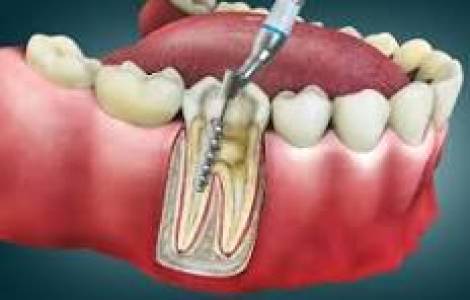
Root canal treatment, also known as endodontic therapy, is a highly effective dental procedure designed to save a tooth that has become severely infected or damaged due to deep decay, repeated dental procedures, cracks, or trauma. It involves removing the inflamed or infected pulp (the soft tissue inside the tooth's root canal), carefully cleaning and shaping the inside of the canal system, and then filling and sealing the space. The goal is to eliminate pain, prevent the spread of infection, and preserve your natural tooth.
Do You Need a Root Canal? Common Symptoms Include:
If you're experiencing any of these signs, it's crucial to seek prompt dental attention:
- Persistent, severe toothache, especially when chewing or applying pressure.
- Prolonged sensitivity to hot or cold temperatures, even after the source is removed.
- Swelling and tenderness in the gums surrounding the affected tooth.
- A small, pimple-like bump on the gums (a fistula or abscess).
- Discoloration or darkening of the tooth.
- Tenderness or swelling in the lymph nodes.
Our Comprehensive Root Canal Procedure:
Our goal is to ensure your comfort and provide a thorough, effective treatment. Here's what you can expect during your root canal therapy:
- Diagnosis & Planning:
- We begin with a thorough examination, including digital X-rays and sometimes 3D imaging, to accurately pinpoint the infection, assess the extent of damage, and plan your personalized treatment.
- Anesthesia:
- Local anesthetic is administered to completely numb the affected area, ensuring a pain-free experience during the procedure. We prioritize your comfort at every step.
- Access Opening:
- A small opening is carefully made in the crown of the tooth to access the pulp chamber and root canals.
- Pulp Removal & Cleaning:
- The infected or inflamed pulp is meticulously removed. The canals are then thoroughly cleaned, shaped, and disinfected using specialized instruments and advanced irrigating solutions to eliminate all bacteria.
- Filling & Sealing:
- Once the canals are perfectly clean and dry, they are filled with a biocompatible, rubber-like material called gutta-percha, and sealed with an adhesive cement to prevent any future reinfection.
- Temporary Restoration:
- A temporary filling is placed in the access opening. In most cases, a permanent crown or other restoration will be recommended in a separate appointment to protect the treated tooth and restore its full function and appearance.
The Benefits of Choosing Root Canal Treatment:
- Relieves Pain & Discomfort: Eliminates the source of your severe toothache and sensitivity.
- Saves Your Natural Tooth: Prevents the need for extraction, preserving your natural smile and bite alignment.
- Prevents Further Infection: Stops the spread of bacteria to adjacent teeth, gums, and surrounding bone.
- Restores Oral Health & Function: Allows you to chew normally, speak clearly, and maintain proper dental alignment.
- Long-Lasting Solution: With proper care and a protective crown, a treated tooth can last a lifetime.
- Aesthetically Pleasing: Preserving your natural tooth contributes to a more natural and confident appearance.
Why Choose [Your Clinic Name] for Your Root Canal?
At [Your Clinic Name], your comfort, safety, and oral health are our utmost priorities. We are committed to providing exceptional care:
- Experienced Endodontists/Dentists: Our highly skilled dental professionals are extensively trained in advanced endodontic techniques.
- State-of-the-Art Technology: We utilize modern diagnostic tools (digital X-rays, intraoral cameras) and precision instruments for accurate diagnosis and optimal treatment outcomes.
- Patient-Centered Care: We prioritize your comfort with gentle techniques, sedation options (if requested), and clear communication throughout your treatment journey.
- Sterile Environment: We adhere to the highest standards of sterilization and infection control for your safety.
- Comprehensive Follow-Up: We provide detailed post-treatment care instructions and guidance on restorative options to ensure the long-term success of your treated tooth.
Post-Treatment Care & What to Expect:
- Mild Sensitivity: It's normal to experience some mild sensitivity or soreness for a few days, which can be managed with over-the-counter pain relievers.
- Avoid Chewing: Until your permanent crown or filling is placed, avoid chewing hard foods on the treated tooth to prevent fracture.
- Permanent Restoration: A crown is typically recommended to protect the treated tooth from future damage and restore its full strength and appearance. This usually occurs in a separate appointment.
- Oral Hygiene: Continue your regular brushing, flossing, and routine dental check-ups to maintain excellent oral health.
Addressing Common Root Canal Myths:
- "Root canals are painful." This is a common misconception! The procedure itself is performed under local anesthesia and is designed to relieve the severe pain caused by infection, not cause it. Most patients report feeling no more discomfort than a routine filling.
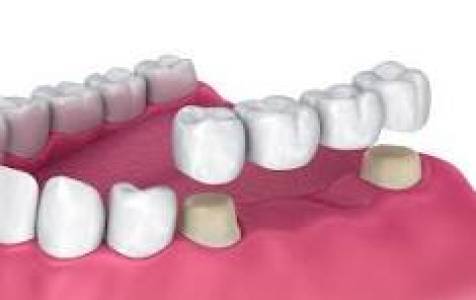
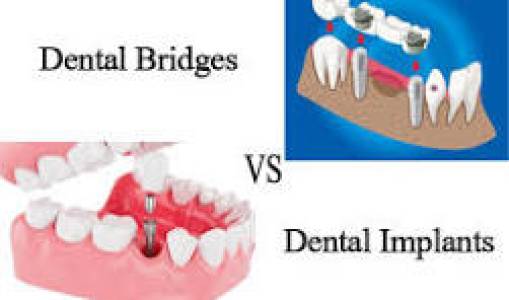
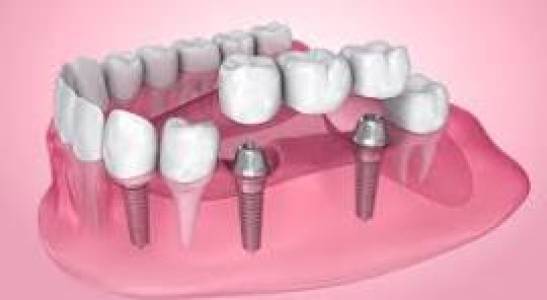
- "It's better to just extract the tooth." Saving your natural tooth is almost always the preferred option. It maintains your natural bite, prevents shifting of adjacent teeth, and avoids the need for more complex and costly restorative procedures like bridges or implants (unless medically indicated).
Schedule Your Consultation Today!
Don't let dental pain dictate your life. If you're experiencing symptoms of a tooth infection, contact [Your Clinic Name] today to schedule a comprehensive examination. Our compassionate team is here to help you regain your comfort and preserve your healthy smile.
[Phone Number] | [Email Address] | [Website Link] | [Clinic Address]
Disclaimer: This product description is for informational purposes only and does not constitute medical advice. Every patient's case is unique. A thorough examination and diagnosis by a qualified dental professional are required to determine the most appropriate course of treatment. Results may vary.