Description
Root Canal Therapy: Preserve Your Smile, Relieve Your Pain
Don't let dental pain dictate your life. Root Canal Therapy (RCT) is a highly effective and advanced dental procedure designed to save a tooth that might otherwise need extraction due to severe decay, infection, or trauma. At its core, RCT aims to eliminate infection and protect the treated tooth from future microbial invasion, allowing you to maintain your natural smile and chew with confidence.
What is a Root Canal?
Inside each tooth, beneath the hard enamel and dentin layers, lies a soft tissue called the pulp. The pulp contains blood vessels, nerves, and connective tissue, and is responsible for forming the surrounding dentin and enamel during tooth development. When the pulp becomes inflamed or infected – often due to deep decay, repeated dental procedures on the tooth, cracks, or trauma – it can cause significant pain and if left untreated, lead to an abscess, bone loss, and eventually tooth loss.
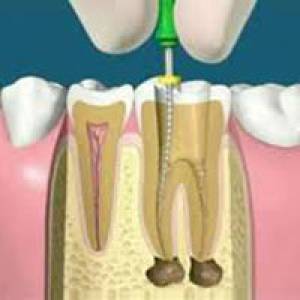
Root Canal Therapy involves carefully removing the infected or inflamed pulp, cleaning and shaping the inside of the root canal system, and then filling and sealing the space. This process alleviates pain, stops the spread of infection, and saves the natural tooth.
Key Features & Benefits
- Alleviates Pain: Effectively eliminates the throbbing pain and discomfort associated with infected or inflamed tooth pulp.
- Preserves Natural Tooth Structure: Saves your tooth from extraction, maintaining your natural bite and appearance.
- Stops Infection Progression: Removes bacteria and infected tissue, preventing the spread of infection to other teeth or into the jawbone.
- Restores Oral Health & Function: Allows you to chew normally and speak clearly without pain or sensitivity.
- Durable & Long-Lasting Solution: With proper care and a final restoration (often a crown), a treated tooth can last a lifetime.
- Prevents Shifting of Adjacent Teeth: Maintaining your natural tooth structure helps prevent other teeth from shifting out of alignment, which can lead to further dental problems.
Understanding the Procedure: A Step-by-Step Overview
- Diagnosis & Anesthesia: Your dentist or endodontist will thoroughly examine your tooth and take X-rays to confirm the diagnosis. Local anesthesia will be administered to numb the affected tooth and surrounding area, ensuring a pain-free experience.
- Access Opening: A small opening is made through the crown of the tooth to access the pulp chamber and root canals.
- Pulp Removal & Cleaning: The infected or inflamed pulp is carefully removed from the pulp chamber and root canals using specialized instruments. The canals are then thoroughly cleaned, shaped, and disinfected.
- Filling & Sealing: Once cleaned and shaped, the root canals are filled with a biocompatible, rubber-like material called gutta-percha, which is sealed with an adhesive cement to prevent re-infection.
- Temporary Filling: A temporary filling is placed in the access opening to protect the tooth until a permanent restoration can be placed.
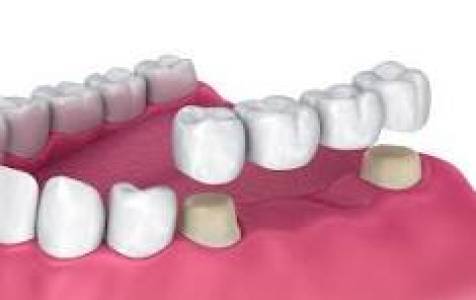
- Permanent Restoration (Often a Crown): In most cases, a dental crown or other restorative filling is placed on the treated tooth during a subsequent visit. This provides crucial protection, reinforces the tooth structure, and restores its full function and appearance.
Is Root Canal Therapy Right For You? (Indications)
You might need Root Canal Therapy if you experience any of the following symptoms:
- Persistent Tooth Pain: Ranging from mild to severe, constant or intermittent.
- Sensitivity to Hot and Cold: Lingering sensitivity after exposure to hot or cold temperatures.
- Swelling or Tenderness: Swelling around the affected tooth, in the gums, or on the cheek.
- Pimple-Like Bump on Gums: A "pimple" or "boil" on the gums near the affected tooth, which may indicate an infection draining.
- Discoloration of the Tooth: A darkening of the tooth, indicating nerve damage.
- Pain Upon Chewing or Pressure: Discomfort when biting down or applying pressure to the tooth.
Post-Treatment Care & Longevity
After your root canal procedure, it's normal to experience some mild sensitivity for a few days, which can be managed with over-the-counter pain relievers. It's crucial to:
- Avoid chewing on the treated tooth until your permanent restoration (crown) is in place.
- Maintain excellent oral hygiene, including regular brushing and flossing.
- Attend all follow-up appointments, especially for the placement of your permanent crown.
With proper care and regular dental check-ups, your root canal treated tooth can function normally and last for many years, often for a lifetime.
Important Considerations
Please Note: While highly successful, root canal therapy is a complex medical procedure. The specific details, success rates, and potential alternatives will be discussed thoroughly during your personalized consultation. Every patient's needs are unique, and a comprehensive examination is essential to determine the best course of action for your oral health.
Take the First Step Towards a Pain-Free Smile!
Don't let fear or discomfort keep you from the treatment you need. Root Canal Therapy can save your tooth and restore your comfort.
Schedule Your Consultation Today to discuss your symptoms and learn how Root Canal Therapy can help you achieve lasting relief and a healthy, functional smile.